Business 188
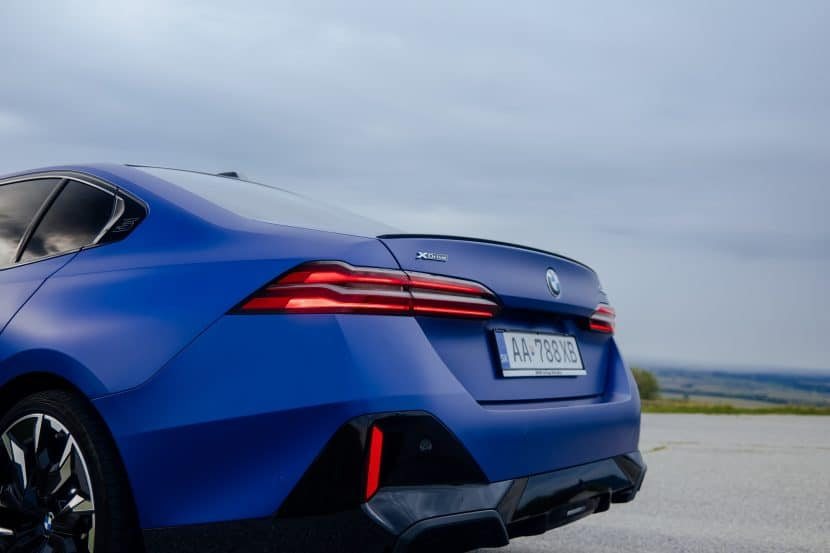
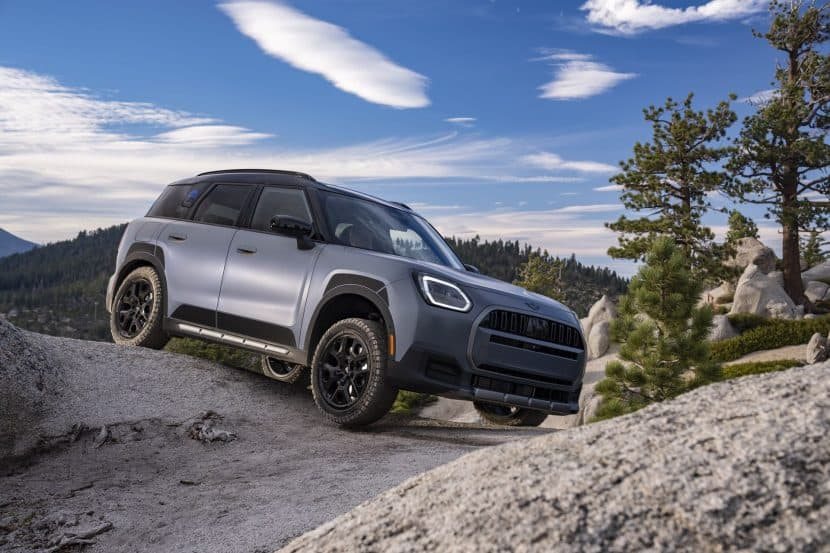
MINI Countryman Untamed Edition Adds Off-Road Hardware and Matte Paint
In this issue
Business 188
MINI Countryman Untamed Edition Adds Off-Road Hardware and Matte Paint
Culture 212
Léa Seydoux Says Next James Bond Must Be 'Layered'
Economy 36
G7 Agrees to Release 100 Million Barrels of Diesel and Crude Oil to Ease Price Su…
News 145
NSW Police Trials BMW 540d as Highway Patrol Car
Politics 110
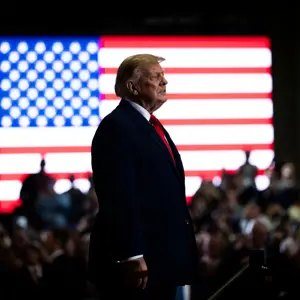
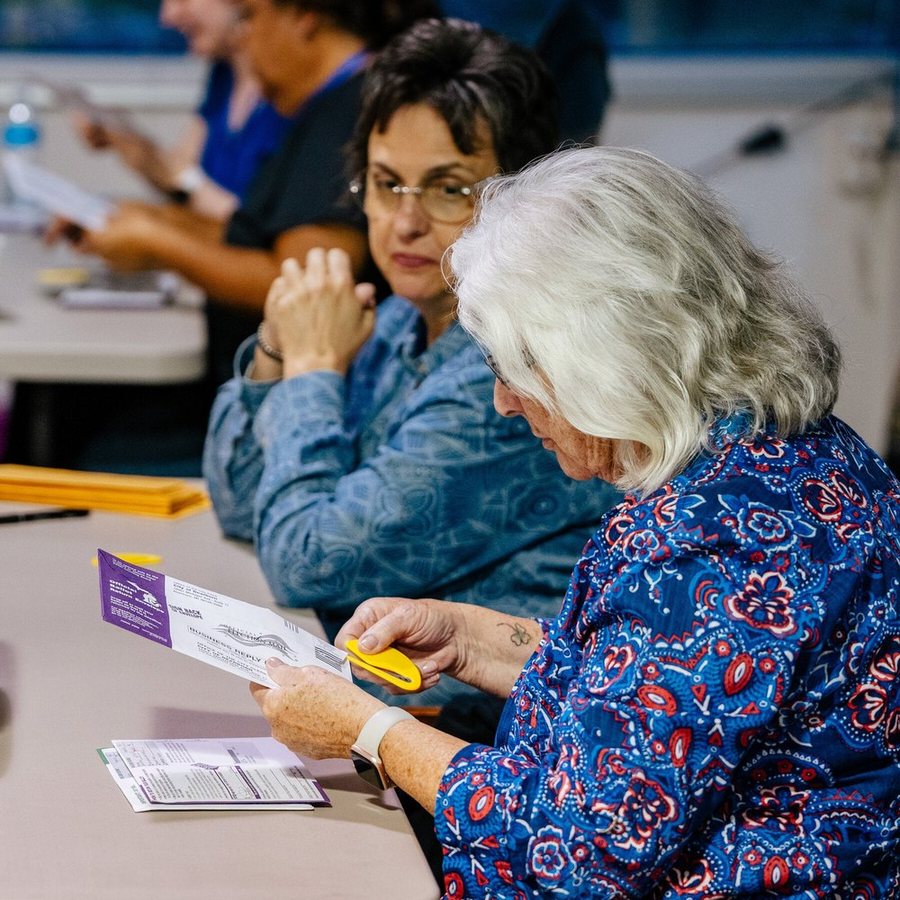
Trump Urges Republicans to Vote by Mail After Years of Criticising the Practice
Sports 260
Falcons thrash Saints 45-24 as New Orleans marks 20 years since Katrina return
Technology 232
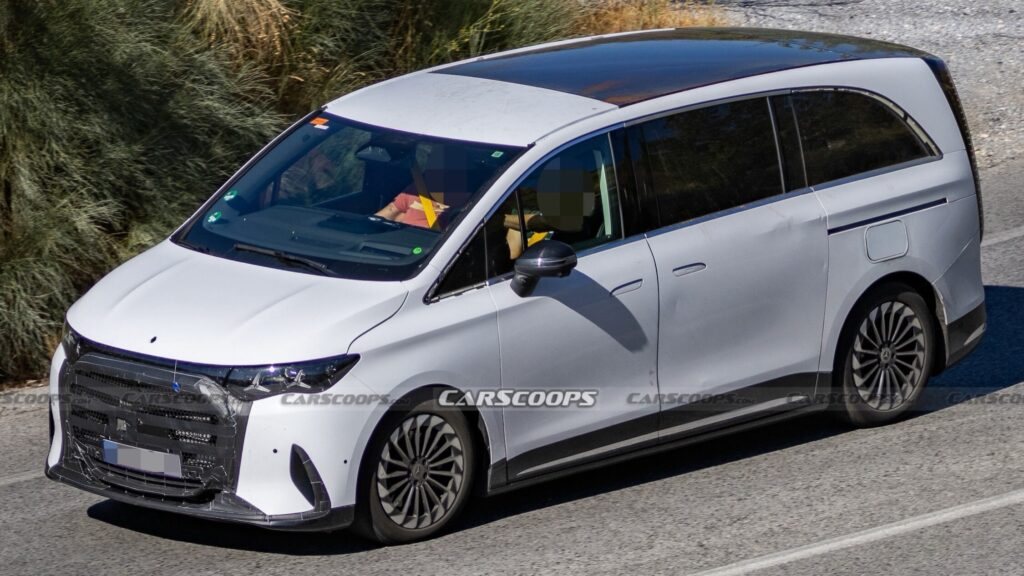
Mercedes VLE Minivan Spotted Testing Hybrid Powertrain
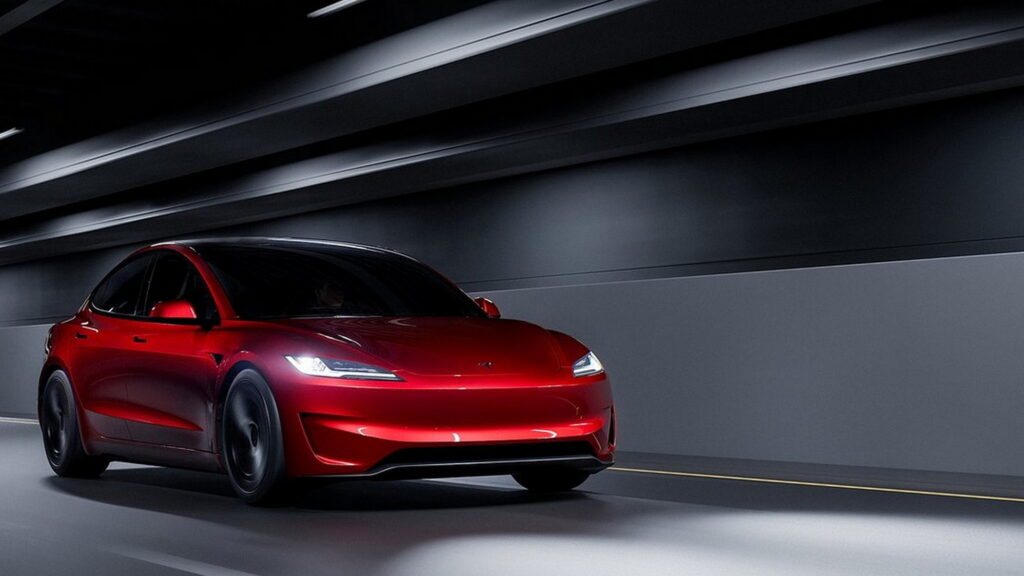
A Belgian nonprofit's three-day test of Tesla's Full Self-Driving system around Brussels found repeated speed-limit errors and illegal overtaking attempts on cycle streets, prompting calls for regulators to revisit the system's European approvals.
By George Kensington · 3 min read
Tesla's Full Self-Driving system misread speed limits and attempted to overtake cyclists illegally during a three-day test around Brussels, according to a Belgian road-safety group that is now urging regulators to reconsider the technology's European approvals.
The nonprofit Johanna.be tested a Tesla Model 3 over roughly 400 km in July, running FSD version 14.2.2.6 in Standard mode with the speed offset set to zero and the contextual maximum-speed setting switched off. Its 36-page report focuses on streets where pedestrians and cyclists are most exposed to risk.
The most striking finding concerns speed limits. On 29 tested road segments with a 30 km/h limit, FSD exceeded the limit on 16 of them. The car's highest speed on those segments averaged 44 km/h. In roughly 90 percent of tested segments, the system displayed an incorrect, higher speed limit to the supervising driver. In some cases, the screen briefly showed it had detected the 30 km/h sign before reverting to a displayed limit of 50 km/h.
The group also examined 12 residential home zones with a 20 km/h limit, where FSD exceeded the limit in five cases. On Belgian cycle streets, where drivers are not permitted to overtake cyclists, the system repeatedly attempted to pass them. The supervising driver had to intervene to stop several of those attempts.
The report does credit Tesla in some areas. It says FSD generally yielded to pedestrians and cyclists and behaved courteously around them. But the group argues that a car which gives its driver the wrong speed limit remains a problem, particularly on streets designed to protect vulnerable road users.
The findings carry weight because Tesla is seeking approval for FSD across the European Union. The Dutch regulator RDW approved the system for use in the Netherlands in April, and Belgium subsequently authorised it. Johanna.be has asked both authorities to revisit those approvals ahead of a possible vote on EU-wide use on 6 October.
RDW told Reuters it had received the report and would assess it in context. Tesla did not respond to the news agency's request for comment.
The test involved a single car, one software version and selected Belgian roads, so it cannot establish how often every FSD-equipped Tesla behaves this way. What it does provide is documented evidence of specific failures for regulators to examine as they weigh whether the supervised system is ready for broader European roads.
Drivers remain legally responsible for their vehicles while using FSD, but the report suggests that responsibility becomes harder to exercise when the car itself insists the limit is higher than it is. The group's intervention adds a new layer of scrutiny to a debate that will shape how autonomous driving features are approved across the continent.
7