Business 199
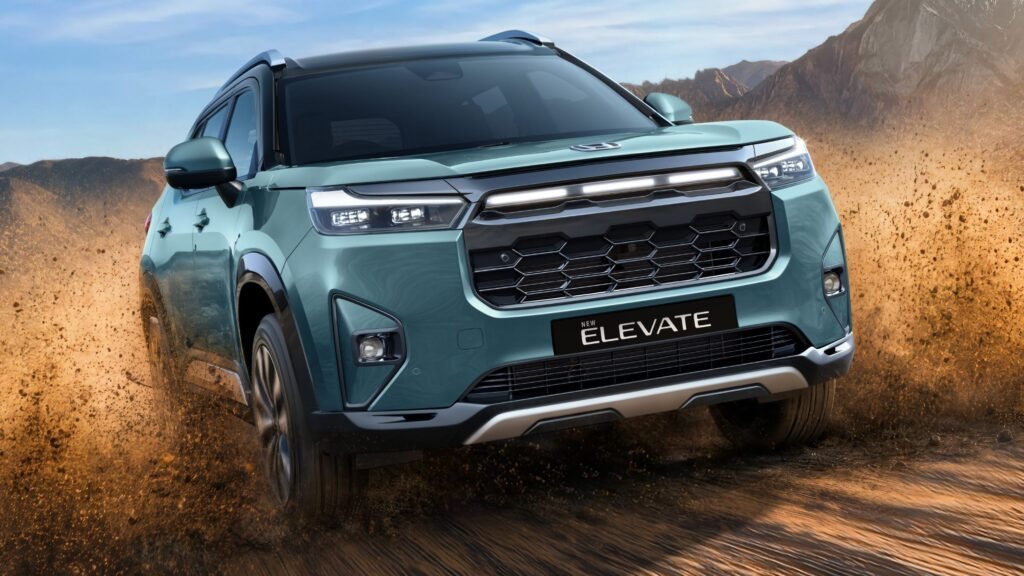
Honda Elevate Facelift Brings Rugged Styling and Ventilated Seats to India
In this issue
Business 199
Honda Elevate Facelift Brings Rugged Styling and Ventilated Seats to India
Culture 216
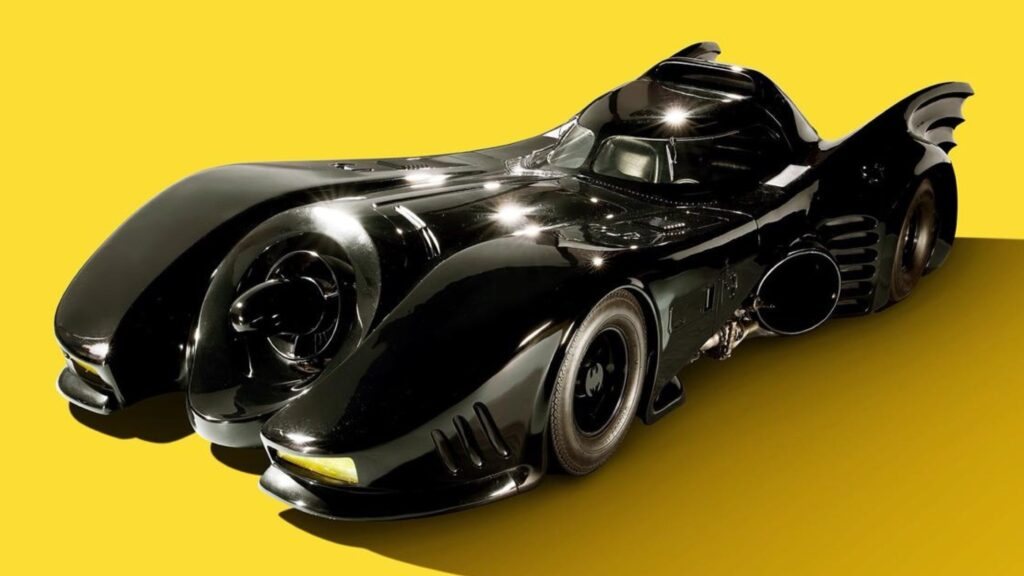
Batmobile from Batman Returns heads to auction with $7m estimate
Economy 37
Russia's EV Share Overtakes US as Fuel Shortages Bite
News 148
California Grants Three-Day Return Right on Used Cars
Politics 110
Trump Urges Republicans to Vote by Mail After Years of Criticising the Practice
Sports 262
West Ham United to Host Queens Park Rangers in October 2026 Championship Fixture
Technology 249
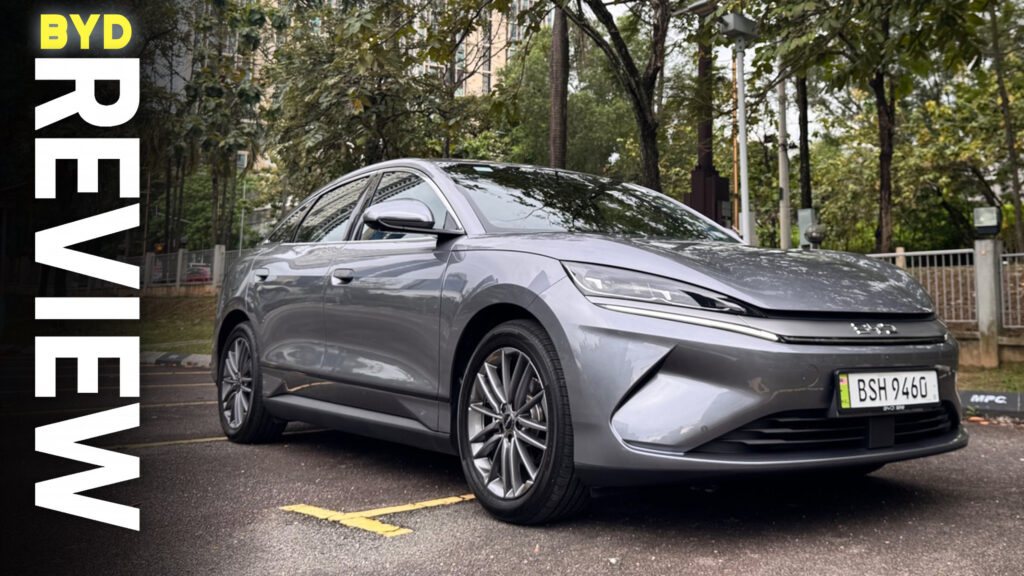
BYD Seal 6 Review: A Competent Electric Sedan That Plays It Safe
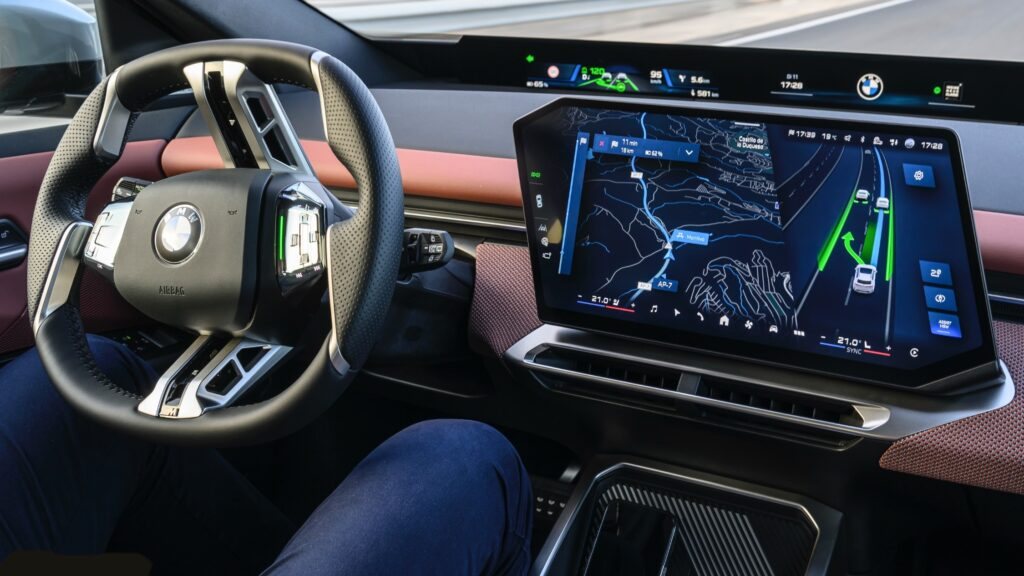
BMW says younger drivers prefer touchscreens and voice assistants over physical buttons, but rivals including Hyundai, Volkswagen and Mercedes are restoring physical controls in response to customer feedback. New Chinese regulations will also require fixed physical controls for key vehicle functions.
By Edward Beaumont · 4 min read
BMW is betting that drivers are ready to stop poking old-fashioned buttons and start talking to their cars. The new 2027 iX3 drops conventional climate switches from its dashboard, moving most of them into the touchscreen and an upgraded voice assistant as Munich embraces a cleaner digital cabin. According to BMW, this is not simply about designers deciding buttons are ugly — it is a response to a broader change in how people interact with technology, particularly among younger customers.
“A car is not a standalone piece, it’s part of what’s happening around you in society,” BMW Group Australia CEO Vikram Pawah told.au. “We can see that voice and touch are becoming more and more common.” Pawah suggested the trend is particularly apparent among people aged 45 and younger, who are quicker to adopt touch and voice technology. “They want things done quickly and they’re multitasking,” he said. “And we have to keep that in mind. That’s how customers are evolving. They are multitasking.”
The new iX3’s voice assistant can already understand commands that would have stumped a similar system a decade ago, and BMW is not worried about a backlash. It has already weathered one storm over a radical interface reinvention. “People always feel uncomfortable with radical change,” BMW Group Australia communications boss Leanne Blanckenberg told CarExpert. She pointed to the original iDrive’s controversial 2001 debut, noting that the concept is now commonplace across the industry.
But some rivals have already travelled further down the touchscreen boulevard and are now heading back. Hyundai previously admitted its American focus groups became “stressed, annoyed and steamed” when drivers could not quickly operate touchscreen functions. It has since returned more physical controls to its cabins. Mercedes also admits it went too far in banishing buttons from its interiors.
Volkswagen has made an even more obvious U-turn. After criticism of the touch-heavy Golf and ID.4, newer models such as the ID. Polo feature more physical controls on the console, while VW has also ditched controversial touch-sensitive steering-wheel pads for proper clickable switches. None of those other brands is abandoning voice control. Like BMW, Hyundai, Mercedes and VW are pursuing smarter AI-powered assistants. The difference is increasingly about whether voice and screens should complement physical controls rather than replace them.
And China might have something to say about that. New regulations expected to take effect next year will require more than a dozen functions, including indicators, headlights, wipers, hazards and transmission controls, to be operable through fixed physical controls outside the display, complete with tactile or audible feedback. The iX3 retains traditional stalks and enough conventional controls that it should meet those standards, but that might still not be enough to keep older drivers who prefer traditional buttons happy.
62