Business 158
Dacia to Build Hipster EV in China as Budget Brand Expands
In this issue
Business 158
Dacia to Build Hipster EV in China as Budget Brand Expands
Culture 180
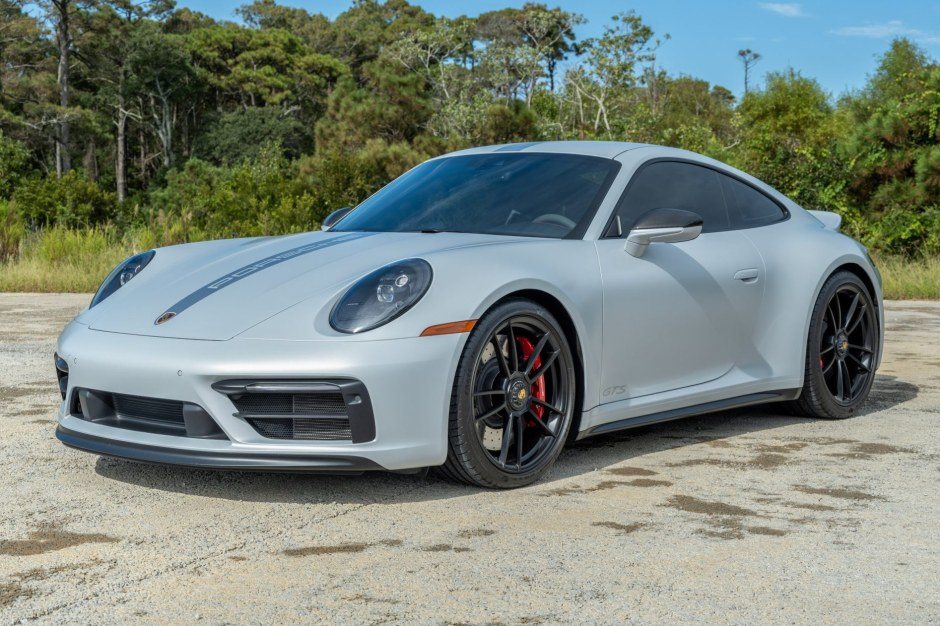
Porsche 911 Carrera GTS With Seven-Speed Manual Heads to Auction
Economy 34
Poland's Rising Abstinence Hits Alcohol Tax Revenues
News 135
Trump Administration Revises Fuel Economy Rules, Cutting 2031 Target by a Third
Politics 109
Mahmood Opens New Legal Refugee Routes in Labour Conference Speech
Sports 250
England Prepare for Czech Republic Clash as O'Reilly Ruled Out
Technology 195
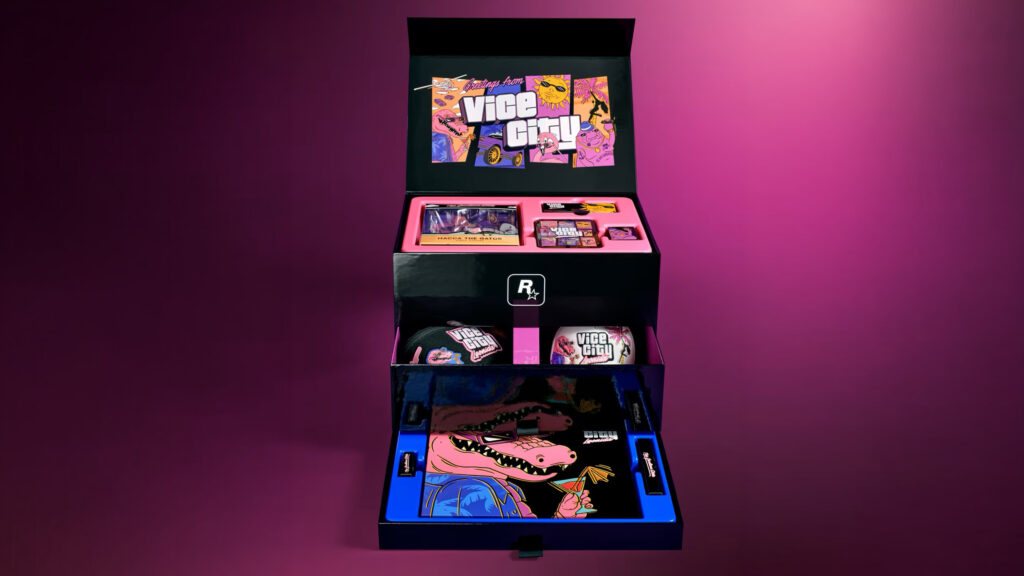
GTA 6 Reveals Hurricanes, Six Regions and 170 Animal Species
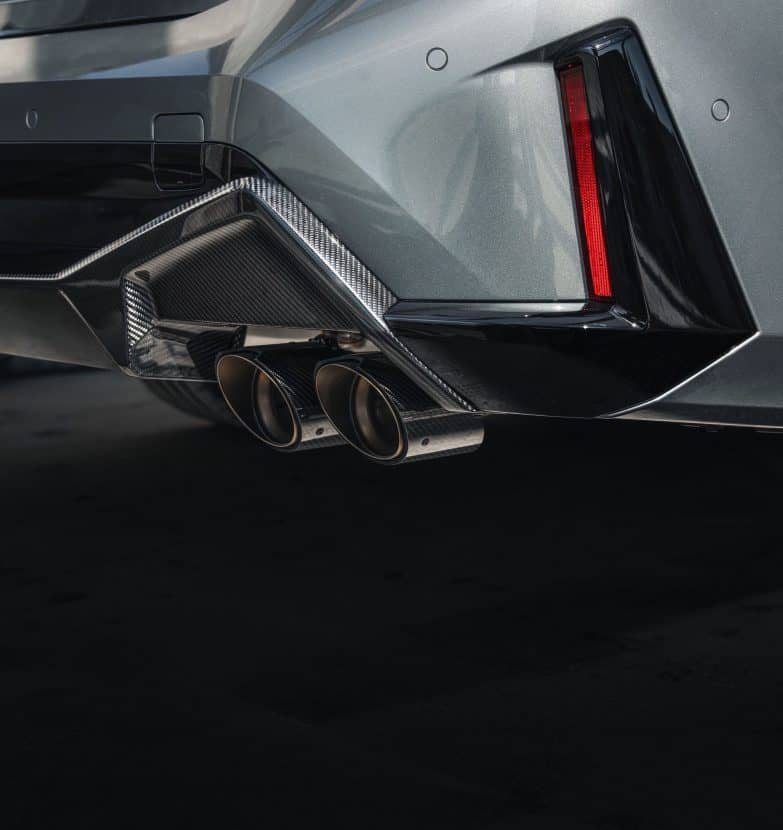
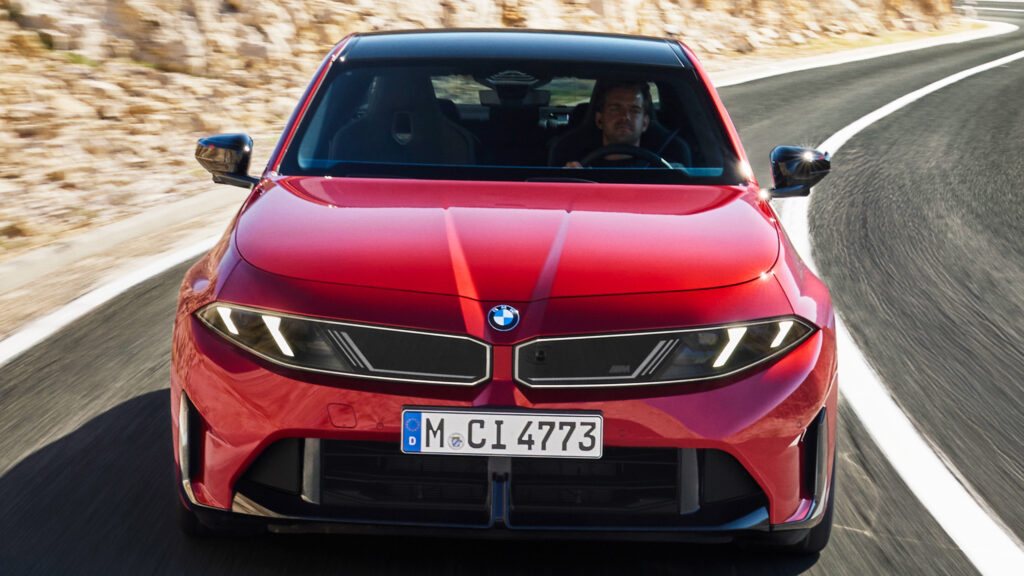
BMW has unveiled separate M Performance Parts kits for the electric i3 M60 and the combustion-engined M350, giving each car a distinct visual identity with carbon fibre components and model-specific styling.
By Edward Beaumont · 4 min read
BMW has introduced dedicated M Performance Parts for its electric i3 M60 and combustion-engined M350 saloons, with each kit tailored to the character of its respective powertrain rather than sharing a single generic package. The German manufacturer published photographs of the new components, signalling that the parts are expected to become available to order, though market rollouts may vary by region.
The i3 M60, the electric performance saloon, receives the more dramatic treatment. Its centrepiece is a carbon fibre rear spoiler that sits raised above the boot lid, punctuated by two large openings cut through the structure. That motorsport-inspired theme is echoed at the front, where a new lip spoiler features matching cutouts, creating a visual link between the nose and tail. Carbon fibre winglets sit at the corners of the front bumper, while new side skirts give the car a more dynamic profile. At the rear, an aggressive diffuser adds visual bulk to the lower bumper — a detail that is somewhat ironic on an electric vehicle with no exhaust outlets to frame.
Additional touches on the i3 M60 include carbon fibre mirror caps finished with the tricolour M stripes, carbon fibre door sills, and a set of M Performance alloy wheels. The overall effect is a package that BMW has deliberately positioned as more extroverted than its combustion counterpart, giving the electric model a distinct identity rather than making it look like an M350 with the tailpipes removed.
The M350 takes a more traditional route. Its carbon fibre rear spoiler features a central cutout flanked by two raised sections that are solid rather than perforated, a design closer to what BMW has offered in previous M Performance catalogues for its saloon range. This will likely appeal to buyers who find the electric car's open-wing design too overt. The front lip on the M350 is finished in piano black plastic rather than carbon fibre, a clear cost-conscious decision, although the winglets attached to the front bumper are still made from carbon. A red tow hook strap adds a flash of colour low on the bumper, and side skirts run along the flanks.
The combustion engine also allows BMW to offer something the i3 M60 cannot have: exhaust tips. The M350 gains quad carbon fibre tailpipe trims set into a carbon fibre rear diffuser. Carbon door sills, carbon mirror caps with M stripes, and silver M Performance wheels complete the package.
The two kits reflect BMW's broader strategy of differentiating its electric performance models from their petrol equivalents through design rather than simply applying a one-size-fits-all accessory range. The i3 M60's kit is the more striking of the two, with its cutout spoiler and matching front lip giving the EV a distinct visual signature. The M350's package is the more conservative choice, but still adds enough carbon fibre and aerodynamic detailing to make the car appear more aggressive than the standard model.
BMW has not yet confirmed specific pricing or a detailed timeline for availability across different markets, though the publication of official photographs typically precedes the opening of order books. Buyers interested in either kit should expect regional variations in both timing and specification.
5