Business 158
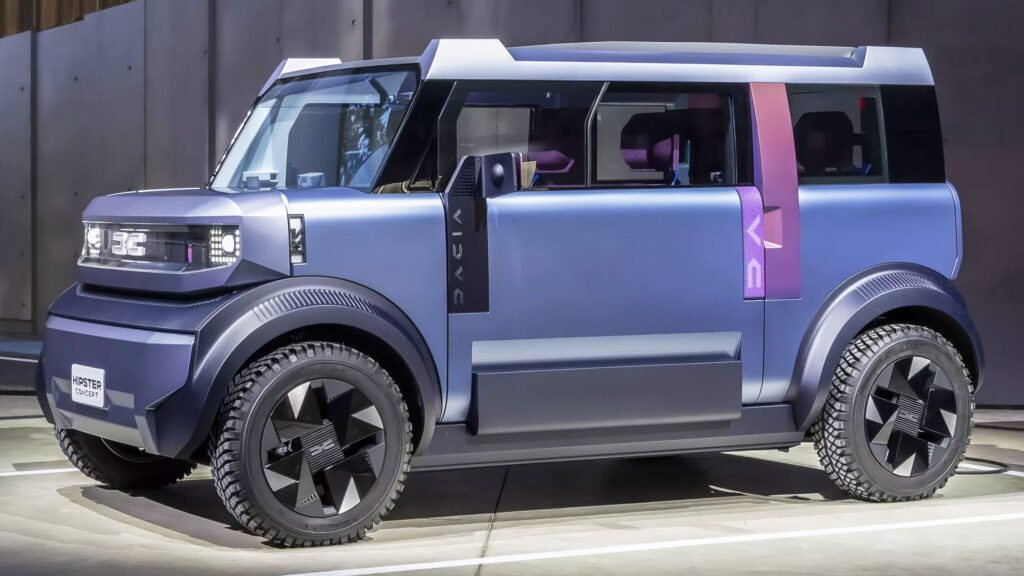
Dacia to Build Hipster EV in China as Budget Brand Expands
In this issue
Business 158
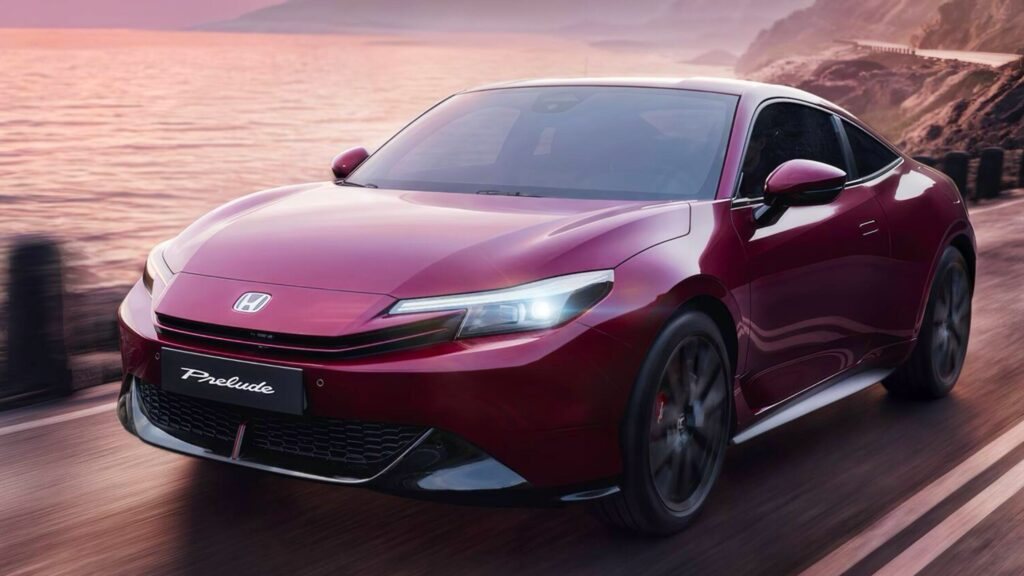
Dacia to Build Hipster EV in China as Budget Brand Expands
Culture 180
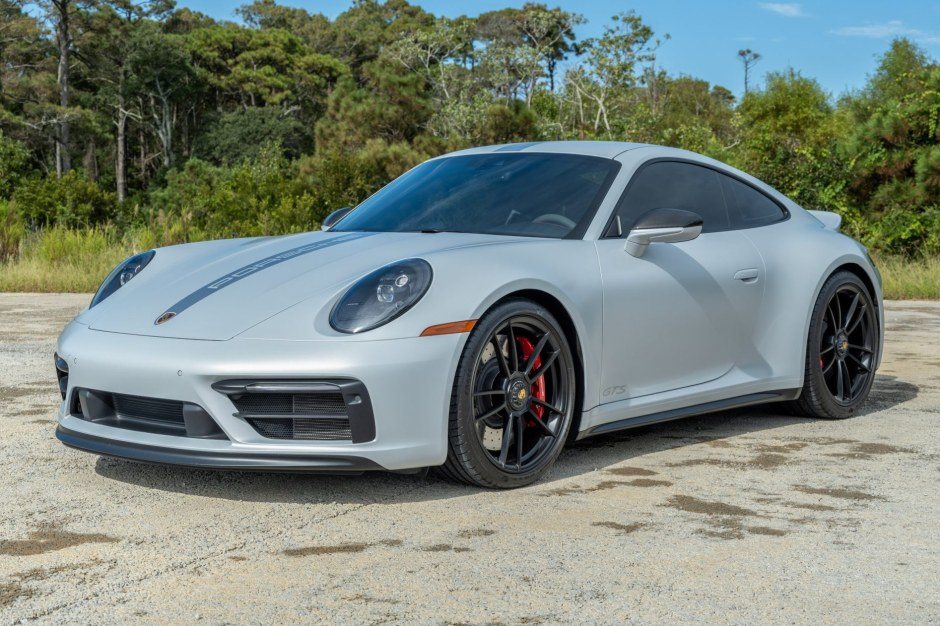
Porsche 911 Carrera GTS With Seven-Speed Manual Heads to Auction
Economy 34
Poland's Rising Abstinence Hits Alcohol Tax Revenues
News 135
Trump Administration Revises Fuel Economy Rules, Cutting 2031 Target by a Third
Politics 109
Mahmood Opens New Legal Refugee Routes in Labour Conference Speech
Sports 250
England Prepare for Czech Republic Clash as O'Reilly Ruled Out
Technology 192
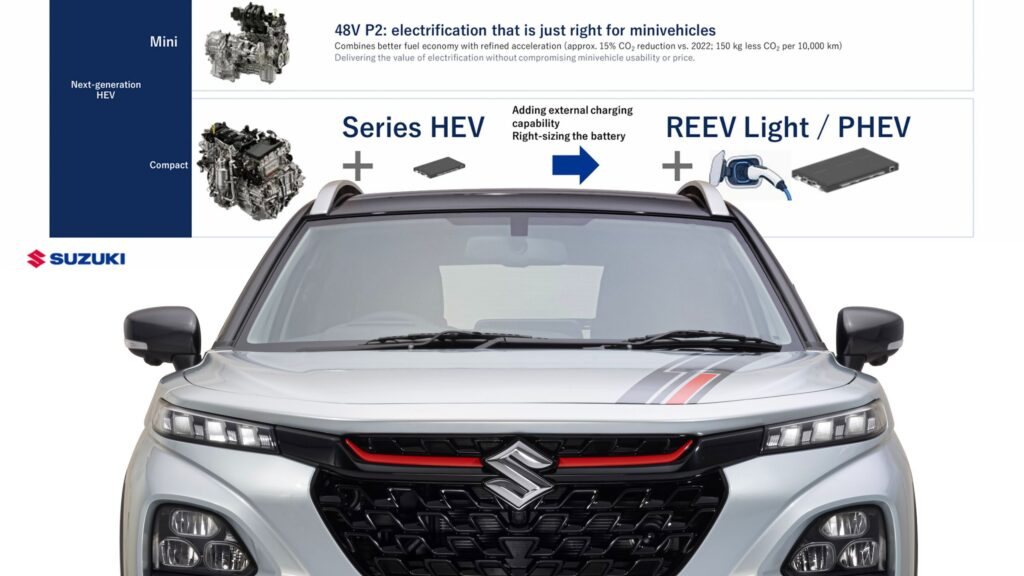
Suzuki Confirms Light Range Extender and New Hybrids in Decade Plan
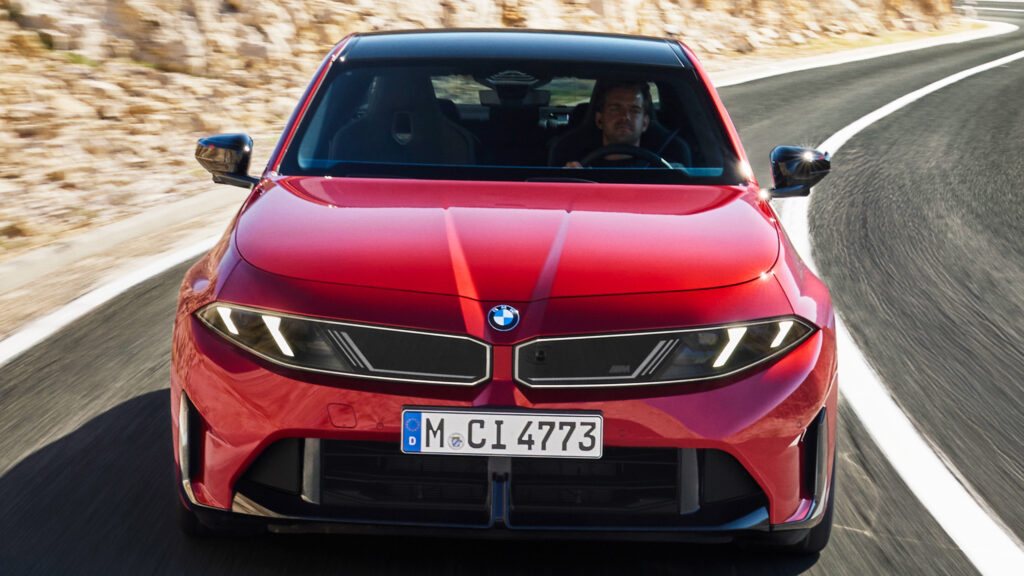
BMW has unveiled the eighth-generation 3-Series, its combustion-engined counterpart to the electric i3, with the M350 xDrive topping the range at 437 hp. US sales of the 330, 330 xDrive and M350 xDrive begin in the first quarter of 2027, with pricing still to be announced.
By George Kensington · 4 min read
BMW has unveiled the eighth generation of its 3-Series, the combustion-engined counterpart to the electric i3 that was revealed six months ago. The German marque has confirmed three variants at this stage — the 330, 330 xDrive and M350 xDrive — with US sales scheduled to begin in the first quarter of 2027. Pricing has not yet been announced.
The new 3-Series arrives more than 50 years after the nameplate first appeared and remains, in BMW's own framing, the heart of its range. While SUVs have dominated the automotive industry for the past decade, the saloon lives on into a new generation, and this time it shares its visual language with the electric i3. The two cars look very similar to the untrained eye, though BMW has made subtle tweaks to differentiate them.
The most obvious differences are at the front. The combustion model carries the same daytime running lights and kidney grilles as the i3, but the grilles are darkened and appear slightly wider. Because the engine requires cooling, the lower bumper and air intakes are more prominent. The bonnet is slightly longer and sits lower, and the shape of the rear side windows has been adjusted, though the Hofmeister kink remains. The sporty M350 adds black wing mirrors, unique badging, darkened LED taillights, a diffuser and quad tailpipes.
Underneath, the 3-Series uses an updated version of the outgoing model's CLAR architecture rather than the Neue Klasse platform that underpins the i3. That explains small dimensional differences: the 330, 330 xDrive and M350 xDrive all measure 4,754 mm long, 1,849 mm wide and 1,455 mm tall, against 4,759 mm, 1,864 mm and 1,480 mm for the i3 50 xDrive. Despite the older underpinnings, the cabin receives the full suite of upgrades found in BMW's Neue Klasse EVs, including a slanted 17.9-inch infotainment display, the Panoramic iDrive system and an optional 3D head-up display. The steering wheel features large touchpad controllers and paddle shifters, while the dashboard adopts new materials, fabric and lighting. New seats are standard, though backrest-width adjustment and lumbar support require the optional multifunction seats; the M350 gets M Sport seats with larger bolsters.
At the top of the combustion range, until the next M3 arrives, sits the M350 xDrive. It uses a 3.0-litre turbocharged inline-six with 48-volt mild-hybrid technology, producing 437 hp and 580 Nm of torque. Paired with an eight-speed Steptronic transmission and all-wheel drive, it reaches 60 mph in 3.9 seconds and tops out at 209 km/h, or 250 km/h on sport tyres. With a one-foot rollout, the 0-60 mph time falls to 3.6 seconds. The 330 and 330 xDrive share a 2.0-litre turbocharged four-cylinder producing 255 hp between 4,700 and 6,500 rpm and 400 Nm of torque. Their top speeds match the M350, but they need 5.9 seconds to reach 60 mph.
BMW says extensive chassis modifications have been made despite the carried-over platform. The front uses a double-joint spring-strut axle, with wider front and rear tracks and new wheel and tyre combinations. Adaptive suspension is available, while adaptive M suspension is standard on the M350 xDrive. The M350 also introduces Drift Moment, a mode that turns the saloon into a rear-wheel-drive machine. It will only become available at an undisclosed point next year via a software update. Safety equipment includes Level 2 driver-assistance systems and BMW's Symbiotic Drive, which allows the driver to provide steering, acceleration and braking inputs without the assistance system disengaging.
9