Business 158
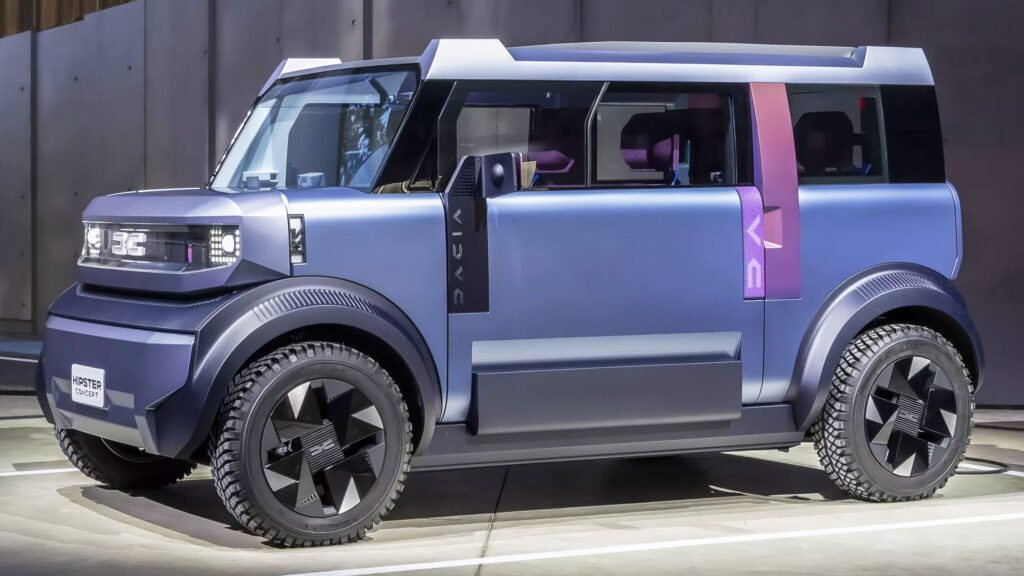
Dacia to Build Hipster EV in China as Budget Brand Expands
In this issue
Business 158
Dacia to Build Hipster EV in China as Budget Brand Expands
Culture 180
Porsche 911 Carrera GTS With Seven-Speed Manual Heads to Auction
Economy 34
Poland's Rising Abstinence Hits Alcohol Tax Revenues
News 135
Trump Administration Revises Fuel Economy Rules, Cutting 2031 Target by a Third
Politics 109
Mahmood Opens New Legal Refugee Routes in Labour Conference Speech
Sports 250
England Prepare for Czech Republic Clash as O'Reilly Ruled Out
Technology 191
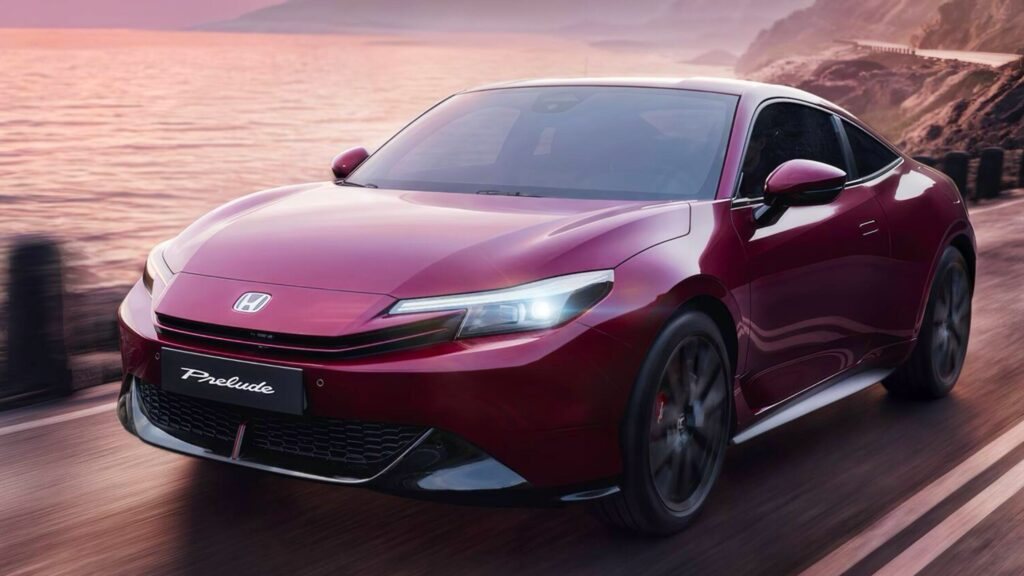
Honda Brings Prelude Limited Edition to Europe, Rules Out US Release
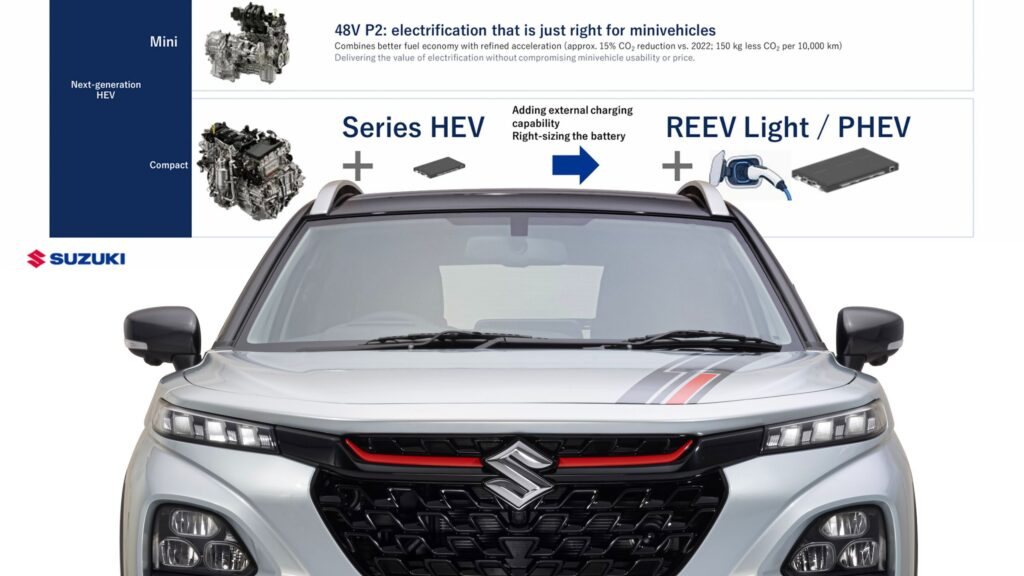
Suzuki has unveiled a ten-year technology roadmap that adds a light range extender, modular e-axles, a new turbo engine and weight-saving measures, while targeting a 24-month development cycle and four million annual units in India by 2030.
By Eleanor Ellington · 4 min read
Suzuki has set out a ten-year technology roadmap built around a multi-pathway strategy, modular electrified components and sharply reduced development times, confirming its first light range extender alongside more efficient hybrid systems.
The Japanese manufacturer said its e-Axle 3-in-1 unit, already used in the fully electric e Sky kei car, will evolve into a modular 6-in-1 system with identical dimensions. That unit will be shared across battery-electric vehicles and hybrids under the company's «Right x Light Mobile Tech» philosophy, with a version 10 per cent larger for subcompact, compact and midsize models.
Smaller electric models such as the e Sky will use a 94 hp front motor, with a 13 hp rear unit in four-wheel-drive versions. Larger vehicles will receive a 174 hp primary e-Axle and an optional 40 hp rear e-4WD unit. Suzuki also wants its electric motors to be free of heavy rare earths, improving recyclability.
On the hybrid side, smaller models will gain a new mild-hybrid system targeting a 15 per cent cut in carbon emissions, equivalent to 150 kg less CO2 for every 10,000 km. The more advanced Series HEV powertrain aims for a 29 per cent reduction, doubling the saving to 300 kg per 10,000 km.
In the Series HEV, the internal combustion engine works as a generator. Suzuki said this architecture can evolve into a «REEV Light» setup by adding plug-in capability and right-sizing the battery pack. The range extender will not require an oversized battery and is intended to address range anxiety compared with battery-electric vehicles.
The smallest Suzuki models expected to receive the Series HEV system are the Baleno hatchback and Fronx SUV, with the S-Cross, Vitara, Grand Vitara and Victoris identified as potential candidates.
Despite the electrified focus, Suzuki is developing a new direct-injection turbocharged petrol engine for markets such as India, likely to be joined by a CNG variant. Engineers aim to lift internal combustion thermal efficiency from 40 per cent in the current 1.2-litre Z12E three-cylinder to 50 per cent through high-EGR lean combustion, waste-heat recovery, low-viscosity lubricants, nano-carbon materials and improved Miller-cycle operation.
Weight remains central to the plan. Stricter safety and emissions rules for 2030 and beyond are expected to add 80 kg to each vehicle, and Suzuki intends to offset that by cutting 100-120 kg per vehicle across its line-up without compromising safety. Measures include M8 bolts with smaller heads, saving one gram per unit across more than 2,000 fasteners per car, and 1,470 MPa ultra-high-tensile steel in crash-critical zones.
The briefing also introduced «SDV Lite», a simplified software-defined vehicle architecture. From 2031, a new Central Zone ECU is intended to cut electronic costs by 30 per cent and module weight by 15 per cent. Suzuki wants to route heavy masses away from occupants in a crash and standardise advanced driver assistance systems across future models.
Development speed is another pillar. Suzuki aims to halve development times to 24 months by 2030, matching the faster cycles of Chinese automakers. The plan includes a 30 per cent gain in development efficiency and a 50 per cent gain in production efficiency at its Manesar plant in India through digital tools and modular components.
The company also confirmed a target of raising annual manufacturing capacity in India to four million units by 2030, underscoring the market's role in its long-term growth.
3