Business 157
AC Schnitzer Saved as AM Group Buys BMW Tuner from KOHL
In this issue
Business 157
AC Schnitzer Saved as AM Group Buys BMW Tuner from KOHL
Culture 179
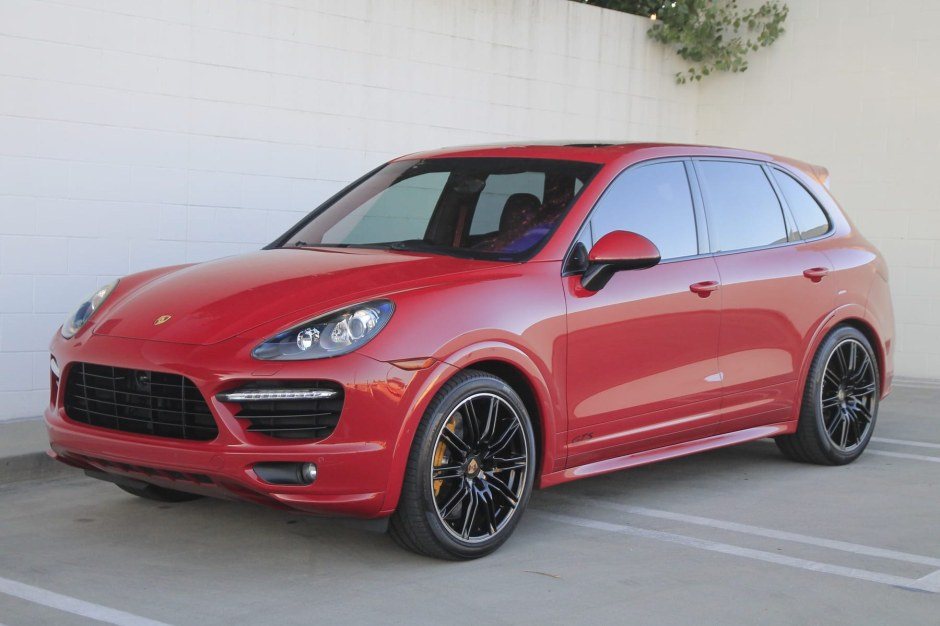
2013 Porsche Cayenne GTS with £54k Options to Be Sold at No Reserve
Economy 34
Poland's Rising Abstinence Hits Alcohol Tax Revenues
News 135
Trump Administration Revises Fuel Economy Rules, Cutting 2031 Target by a Third
Politics 109
Mahmood Opens New Legal Refugee Routes in Labour Conference Speech
Sports 249
Fantasy Football Leagues Embrace Creative Last-Place Punishments
Technology 187
Volkswagen to use low-cost LFP batteries in premium EVs
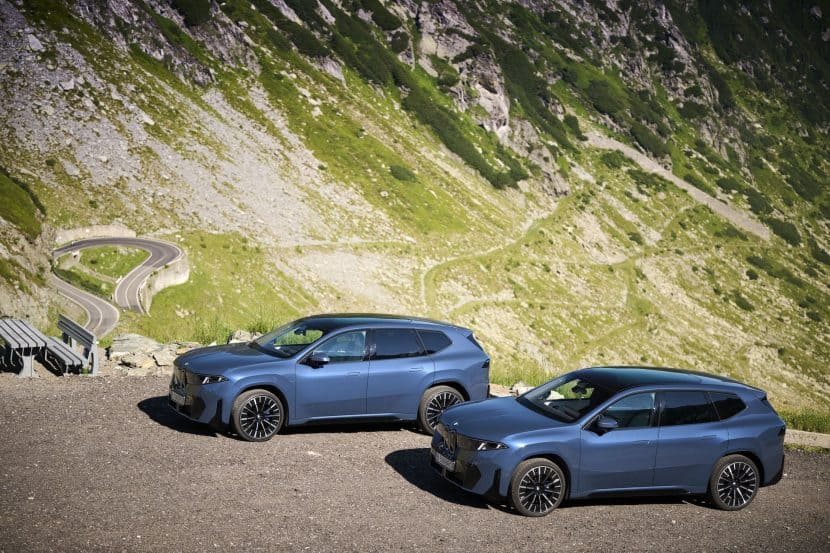
A real-world drive over the Transfăgărășan shows the electric SUV can combine performance with usable range, covering 400 kilometres on a single charge.
By George Kensington · 4 min read
The BMW iX3 has demonstrated that an electric SUV can deliver demanding performance without triggering range anxiety, after completing a 400-kilometre round trip through Romania that included two ascents of the Transfăgărășan mountain road and around 150 kilometres of motorway driving at 140 km/h.
By the time the car returned to Bucharest, the battery still showed 16 per cent, and it had not been charged once during the day. The route took in roughly 1,580 metres of climbing on each of the two mountain passes, mixing high-speed cruising with tight switchbacks and steep descents.
The test was not a controlled laboratory exercise. BMW Romania had invited journalists to drive from Bucharest to Șona, a village in central Romania, with a return leg over the country’s most famous mountain road. Across two days, the itinerary combined motorways, country lanes, mountain passes and even some off-road sections, giving the iX3 xDrive50 far more to do than cruise gently between charging stations.
The car’s large 108.7-kilowatt-hour battery powers two motors producing 463 horsepower. Official range figures reach 500 miles under Europe’s WLTP testing regime and up to 434 miles on the EPA cycle. BMW has also shown the car can exceed 620 miles if drivers avoid motorways and keep speeds low, but those numbers say little about how the vehicle behaves on a twisting mountain road.
On the Transfăgărășan, Sport mode was permanently engaged. The iX3 currently comes only with passive suspension, so the setting does not alter the chassis dramatically, but the car resists body roll well and admirably avoids understeer while staying composed through the bends. The accelerator can be used to adjust the car’s line, much like in a proper sports car.
Its low-mounted battery helps suppress the top-heavy feeling that might be expected from an SUV weighing over 5,000 pounds. It cannot make that mass disappear, but it carries it remarkably well. The chassis proved more enjoyable than that of the combustion-powered X3.
Enthusiastic uphill cornering in a large, heavy vehicle naturally took its toll on energy use. After briefly reaching 1.64 miles per kilowatt-hour, displayed consumption settled at 2.1 miles per kilowatt-hour as the car emerged onto the mountain’s southern side. That figure included the journey from Sibiu, two climbs and the regenerative descent between them. Yet roughly 160 kilometres into the day, the battery still had 57 per cent remaining. The subsequent descent and motorway run brought the car home with a comfortable reserve.
The previous day had revealed the iX3’s more frugal side. Leaving Bucharest with 97 per cent charge, the car initially predicted a range of 568 kilometres. After 180 kilometres, mostly on open roads at around 100 km/h with about 50 kilometres of motorway, it averaged 3.31 miles per kilowatt-hour. Slower country roads later improved that to 3.53 miles per kilowatt-hour by the overnight stop.
By then the car had covered 350 kilometres, with 40 per cent remaining and another 279 kilometres indicated. An overnight charge brought the battery to 98 per cent, and with the previous day’s consumption, the range prediction jumped to 703 kilometres. On the gentle approach to the mountains, efficiency briefly averaged around 4.44 miles per kilowatt-hour before the twisty section began.
The exercise was not a controlled range test, but it demonstrated something more immediately useful. The driver could use the climate control, enjoy the performance and make an unnecessary second mountain climb without range anxiety spiralling. The iX3 was frugal when the road allowed it, entertaining on the right roads and capable of getting home afterwards with zero worries. More time was spent thinking about the next corner than the next charger.
3