Business 157
AC Schnitzer Saved as AM Group Buys BMW Tuner from KOHL
In this issue
Business 157
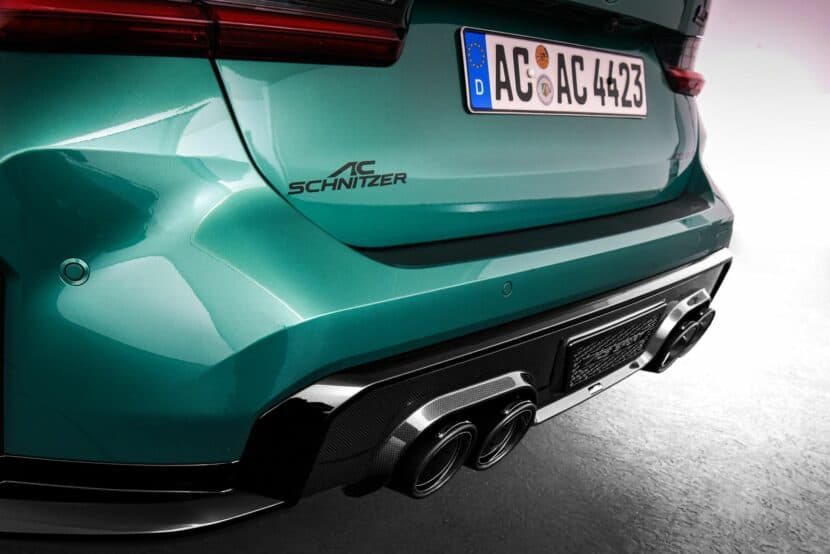
AC Schnitzer Saved as AM Group Buys BMW Tuner from KOHL
Culture 179
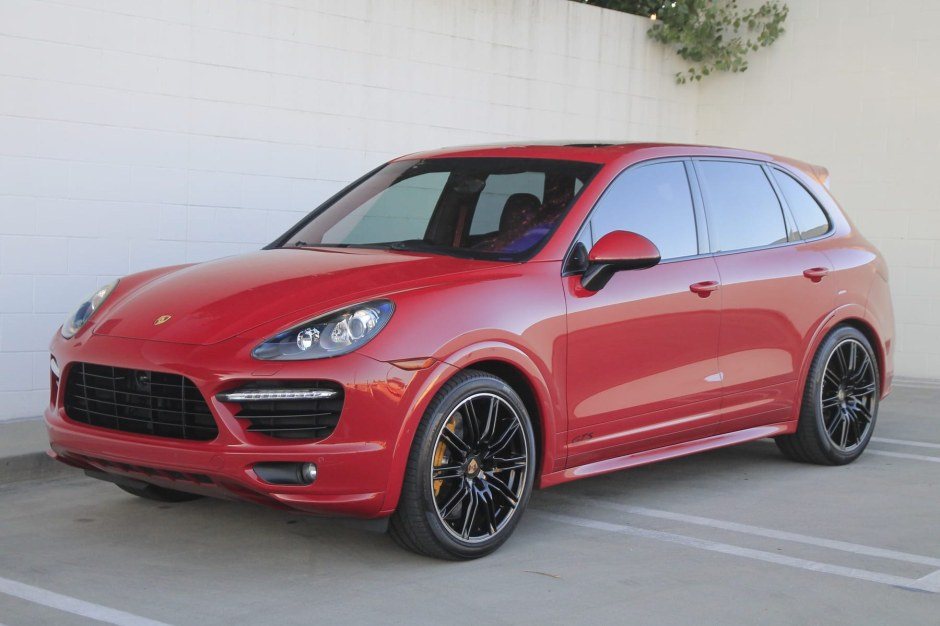
2013 Porsche Cayenne GTS with £54k Options to Be Sold at No Reserve
Economy 34
Poland's Rising Abstinence Hits Alcohol Tax Revenues
News 135
Trump Administration Revises Fuel Economy Rules, Cutting 2031 Target by a Third
Politics 109
Mahmood Opens New Legal Refugee Routes in Labour Conference Speech
Sports 249
Fantasy Football Leagues Embrace Creative Last-Place Punishments
Technology 186
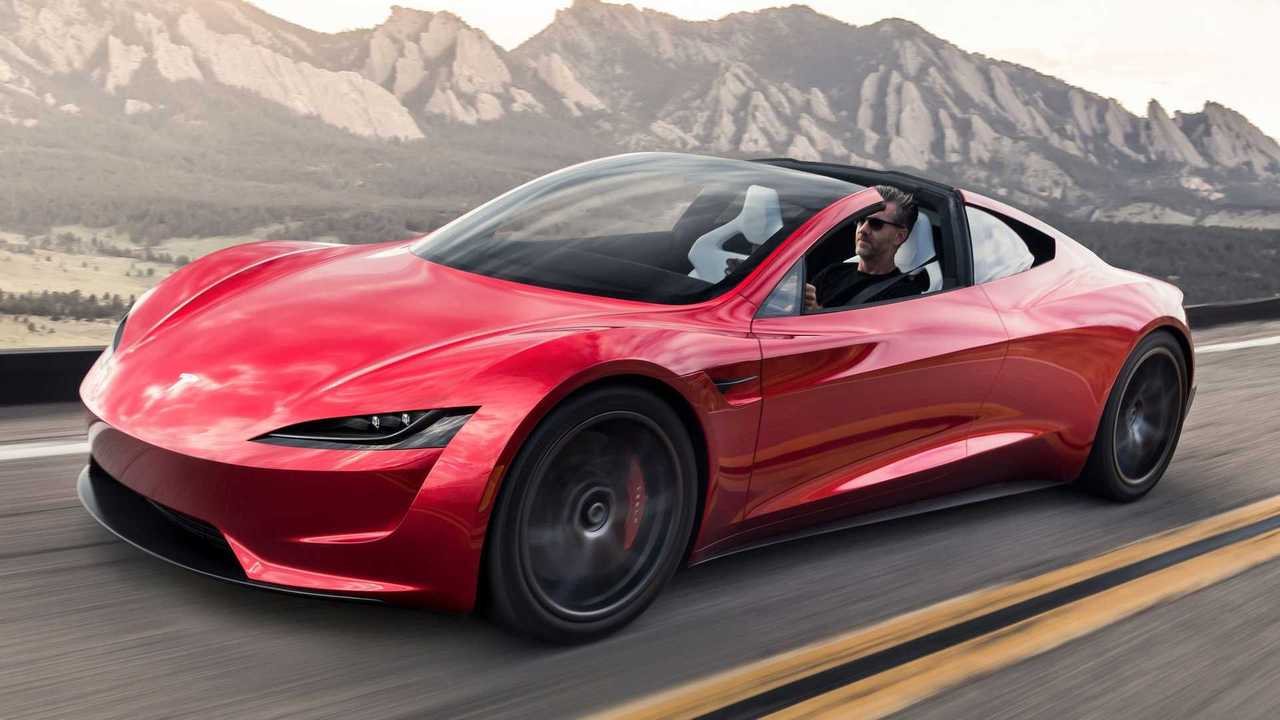
Tesla Roadster Debut Delayed Again as Texas Weather Forces Two-Week Postponement
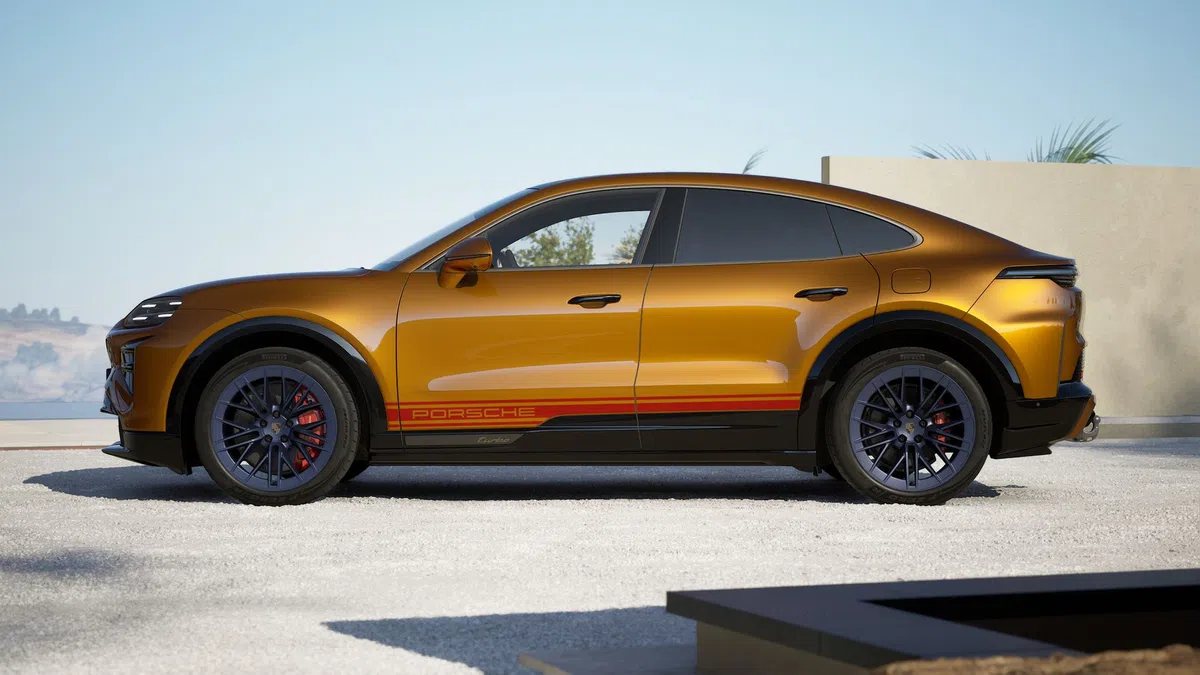
Volkswagen plans to expand the use of lithium iron phosphate batteries beyond affordable models and into its most expensive electric vehicles, including Porsche, and will open several European production sites with a Chinese partner.
By Eleanor Ellington · 4 min read
Volkswagen is preparing to extend the use of lithium iron phosphate (LFP) batteries across its electric vehicle range, including its most expensive models, in a move that would bring cheaper and highly durable cells to premium cars such as Porsche. The German group is also planning to open several European production sites for the technology in cooperation with a Chinese partner, according to reports.
LFP batteries have long been regarded as a low-cost and reliable alternative to the nickel manganese cobalt (NMC) chemistry that dominates premium electric vehicles. They offer lower energy density, which traditionally limited their use to shorter-range or budget models, but they are cheaper to produce, less prone to fire, and tolerate frequent charging without excessive degradation. Volkswagen now appears convinced that these advantages outweigh the drawbacks even in high-end applications.
The decision comes as several competing low-cost and higher-performance battery chemistries are emerging. Despite that competition, Volkswagen sees a durable future for LFP and is willing to invest in European manufacturing capacity to secure supply. The company has not yet named the locations or the Chinese partner involved, but the plan signals a strategic bet on a technology that many rivals have treated as a stepping stone rather than a long-term solution.
For British drivers, the shift could eventually mean more affordable electric vehicles across the market. Premium EVs have typically carried a significant price penalty because of their larger, more expensive battery packs. If LFP cells can be made to work in those vehicles without unacceptable compromises on range or performance, the cost gap between entry-level and luxury electric cars could narrow.
Volkswagen's move also reflects broader pressure on European carmakers to reduce dependence on expensive raw materials such as nickel and cobalt, much of which is sourced from regions with uncertain supply chains. LFP relies on iron and phosphate, which are abundant and cheaper. The trade-off is weight and energy density, but improvements in pack design and cell-to-chassis integration have made LFP more viable in larger vehicles.
The company's existing LFP models have demonstrated that the chemistry can meet real-world needs for many drivers. By extending it to Porsche and other premium brands, Volkswagen is effectively testing whether the technology can satisfy customers who expect longer range and faster charging. That is not guaranteed, and the group may need to combine LFP with other chemistries or larger packs to meet those expectations.
European production would also help Volkswagen avoid import tariffs and reduce the carbon footprint of shipping cells from Asia. The partnership with a Chinese company suggests that Volkswagen wants to combine European manufacturing with Chinese expertise in LFP production, where that country's battery makers have led for years.
The plan is still at an early stage, and no timeline has been confirmed. But the direction of travel is clear: Volkswagen is betting that cheaper batteries can power not just economy cars but also the most expensive electric vehicles it sells. If successful, that could reshape pricing and technology choices across the European EV market.
3