Business 120
BYD Plans Three European Assembly Plants and a Battery Factory
In this issue
Business 120
BYD Plans Three European Assembly Plants and a Battery Factory
Culture 112
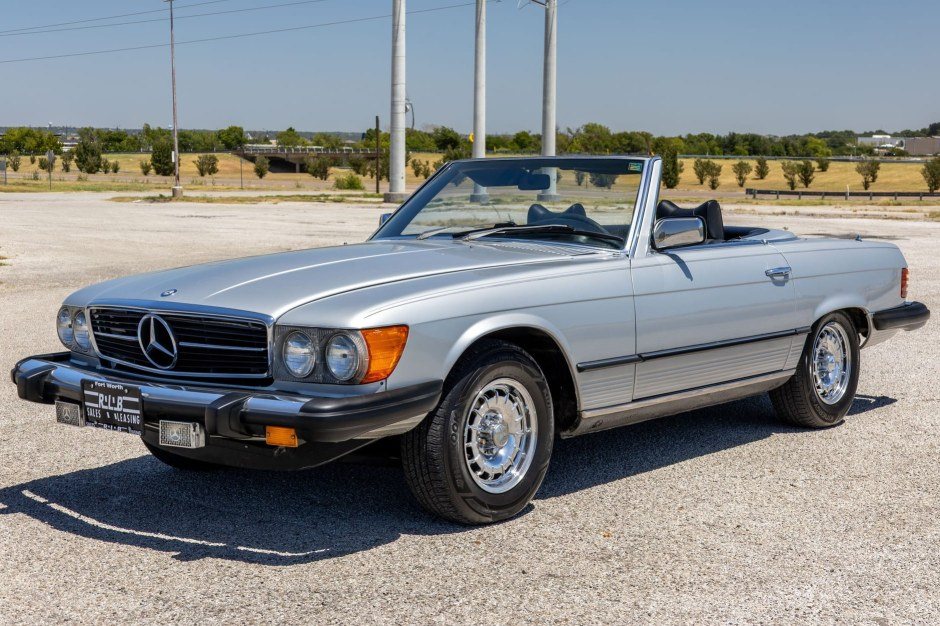
1978 Mercedes-Benz 450SL Offered with Recent Mechanical Overhaul
Economy 30
HMRC is writing to low earners about pension top-ups averaging about £70
News 127
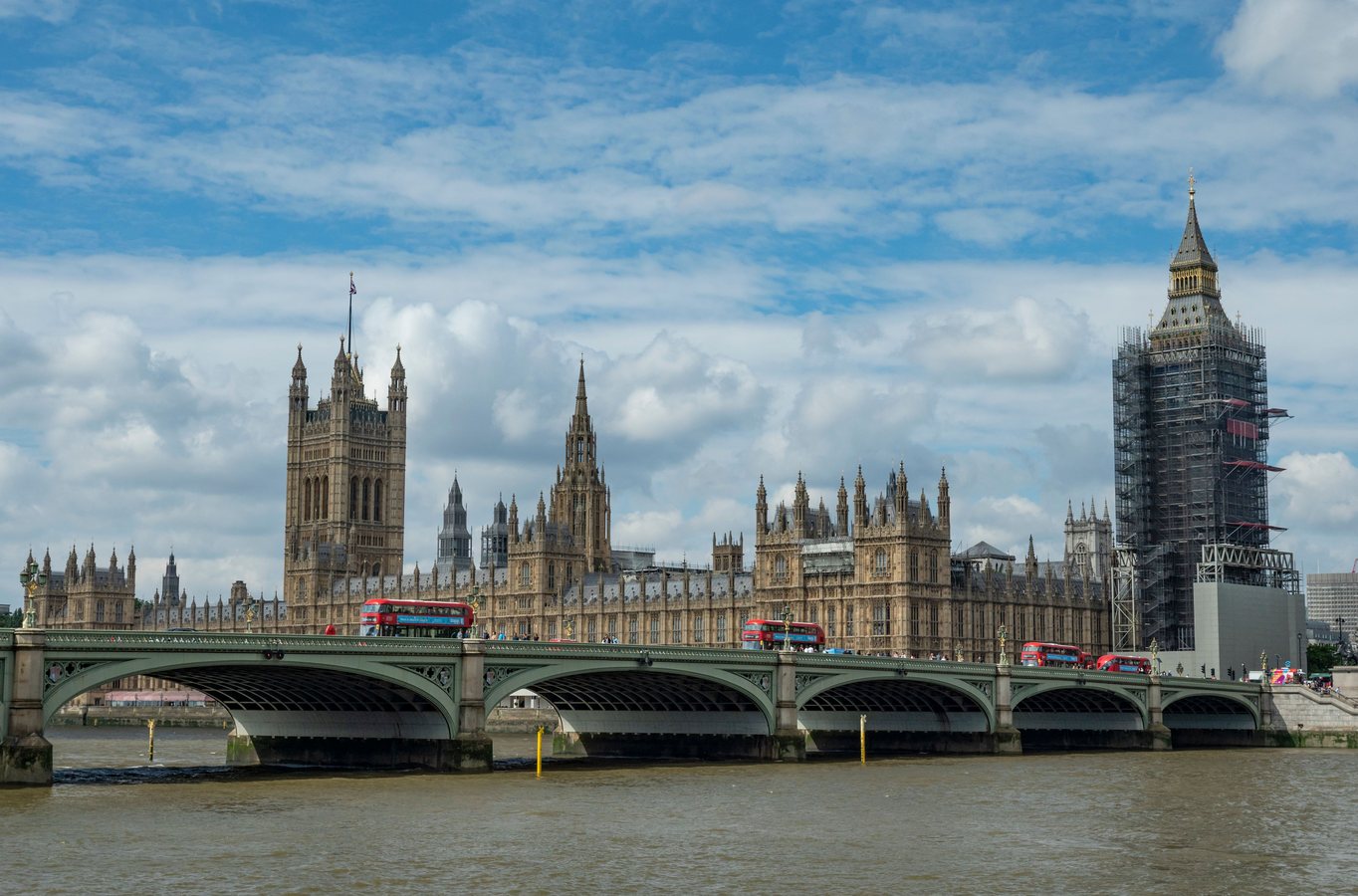
London Mayor Funds Safer Streets for Women and Girls
Politics 105
Reform UK's Welsh Leader Dan Thomas Resigns After Arrest on Suspicion of Assault
Sports 237
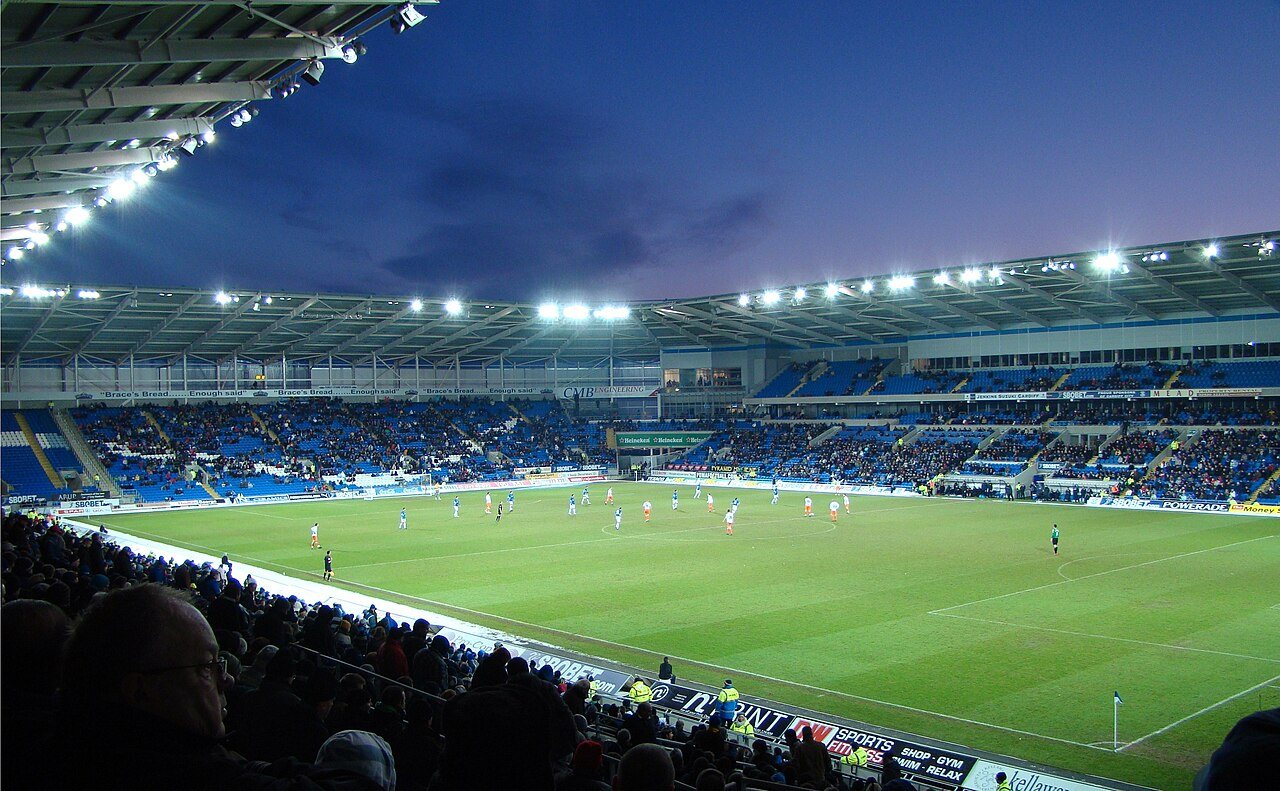
Cardiff City to Host Charlton Athletic in September 2026 Clash
Technology 137
US House Passes Bill Mandating AM Radio in All New Cars
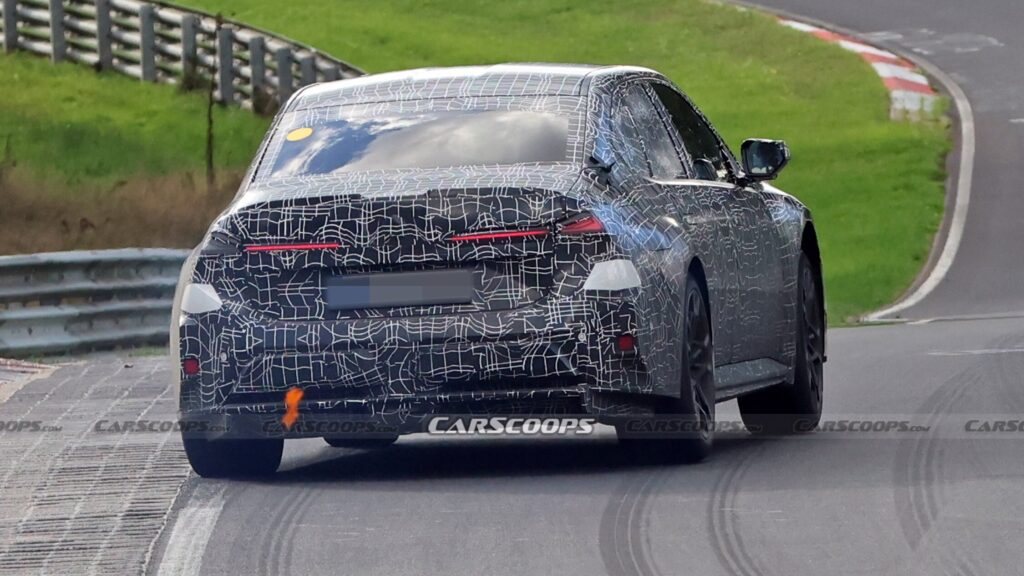
BMW's electric M3 test mule was caught drifting through a corner exit at the Nürburgring while a 1,526 hp Xiaomi SU7 Ultra loomed behind, offering the clearest signal yet that Munich will chase agility rather than raw output for its first battery-powered M car.
By Eleanor Ellington · 5 min read
BMW's forthcoming electric M3 has been photographed sliding through a corner exit at the Nürburgring with a 1,526 hp Xiaomi SU7 Ultra closing on its rear bumper, the clearest indication yet of how the German marque intends to position its first battery-powered M car against a wave of high-output Chinese rivals.
The disguised sedan was captured by spy photographers carving two arcs of rubber out of a corner at the German circuit. The driver appeared to be pushing harder than a routine development lap would require, and the yellow SU7 Ultra running a few car lengths back offers the most plausible explanation. The episode suggests BMW's chassis engineers are tuning the M3 EV for balance and controllability rather than simply chasing straight-line figures.
The Xiaomi in question is a useful benchmark. The SU7 Ultra, which for a period held the title of fastest production electric vehicle around the Nürburgring, produces 1,526 hp and recorded a lap of 7:04.96 in 2025. It has since been displaced at the top of the electric order by the Yangwang U9 Extreme, which posted 6:59.157, and by a Manthey-kitted Porsche Taycan Turbo GT on 6:55.53. Those numbers frame the competitive environment BMW is entering.
BMW has not disclosed the output of the production M3 EV, but the base version is unlikely to match the SU7 Ultra or the 1,341 hp of the 2025 Vision Driving Experience concept. Frank van Meel, who heads BMW M, has argued that four-figure outputs are not necessarily the right target, telling Evo that it «makes no sense to drive with 1000 horsepower… because it's not controllable».
That philosophy points to a more modest figure. The Hyundai Ioniq 5 N, widely regarded as one of the most entertaining electric performance cars on sale, makes 641 hp, and few drivers have come away from it asking for more. BMW is expected to push somewhat beyond that, perhaps towards 790 hp, while deliberately staying clear of the four-figure outputs now common among Chinese performance EVs.
The technical approach supports that intent. The M3 EV is expected to use four electric motors, allowing it to operate in either rear-wheel or all-wheel drive, and to deploy torque vectoring to sharpen turn-in and corner exit. The layout gives BMW considerable freedom to mimic the rear-driven character of its combustion M cars, even as the drivetrain itself changes completely.
There is a historical argument for the strategy. The original E30-generation M3 was never spectacularly quick by the standards of its day, but it was agile, communicative and felt fast in real-world conditions. BMW's M division appears to be reaching for the same qualities in electric form, accepting that a heavy battery pack makes outright output a less meaningful measure of driver satisfaction.
Not everything carries over. The electric M3 will lose the quad tailpipe arrangement that has long served as the visual signature of the petrol car, and the 2028 model will not sound like its predecessors. What the prototype at the Nürburgring demonstrates is that the ability to lay down a long, controlled slide on corner exit is not among the casualties.
The wider context is a market in which Chinese manufacturers have moved quickly to claim performance records once held by European brands. Xiaomi, Yangwang and others have used the Nürburgring as a proving ground and a marketing platform, and their cars now occupy the top of the electric lap charts. BMW's response, on this evidence, will not be a straight horsepower contest.
For buyers, the trade-off is becoming clearer. A car such as the SU7 Ultra will likely remain quicker in a straight line and over a single flying lap. The M3 EV is being developed to reward the driver in the corners, on the road and over long distances, in the tradition the M badge was built on. Whether that argument convinces a generation raised on acceleration figures will be settled when the production car arrives.