Business 148
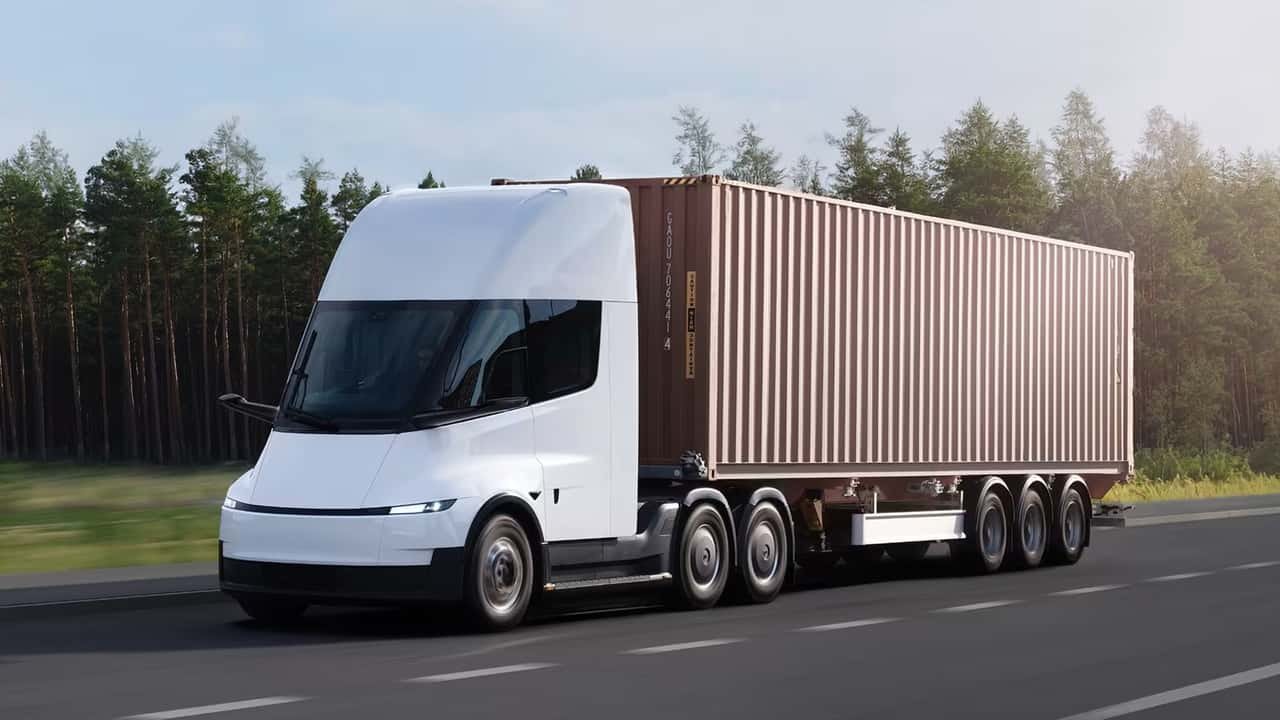
Tesla begins volume production of Semi electric truck at Nevada plant
In this issue
Business 148
Tesla begins volume production of Semi electric truck at Nevada plant
Culture 153
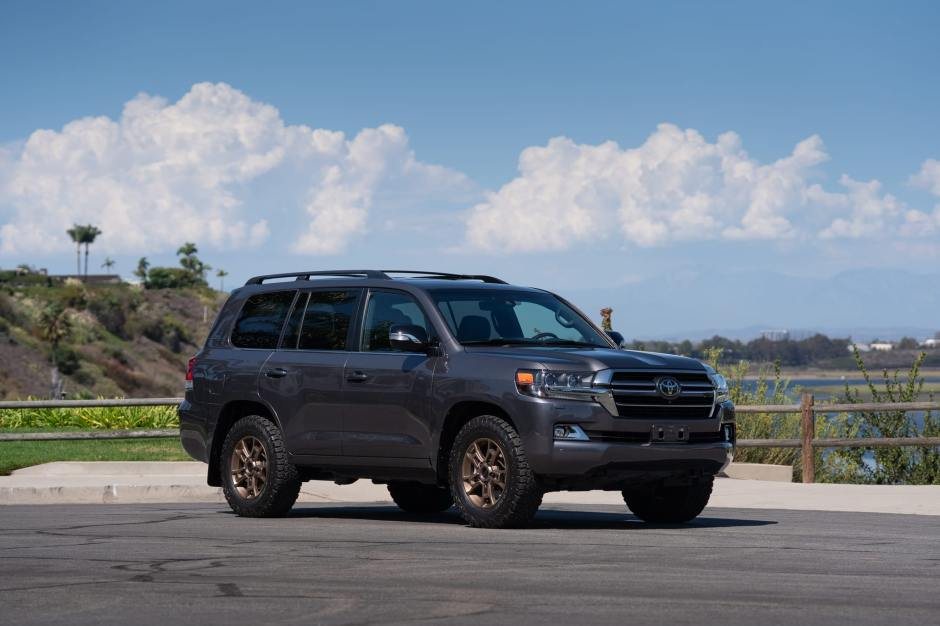
2021 Toyota Land Cruiser Heritage Edition Heads to Auction
Economy 33
Bitcoin and Ethereum Surge to Levels Last Seen in January
News 132
Sarandon and Einbinder arrested at anti-Netanyahu protest in New York
Politics 108
US Lawmakers Move to Permanently Ban Chinese Cars
Sports 246
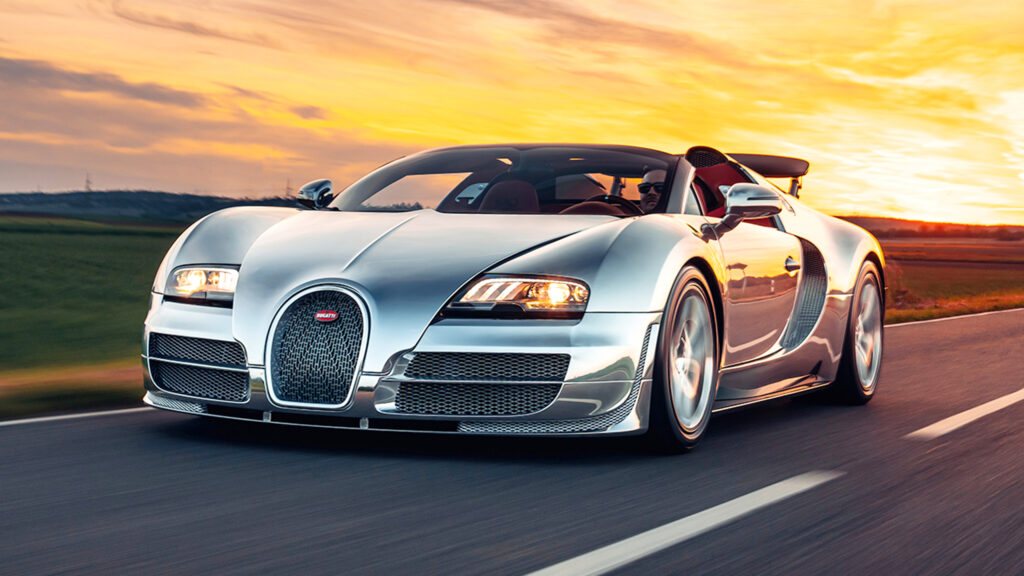
Alonso Buys Most Expensive Bugatti Veyron Ever Built
Technology 168
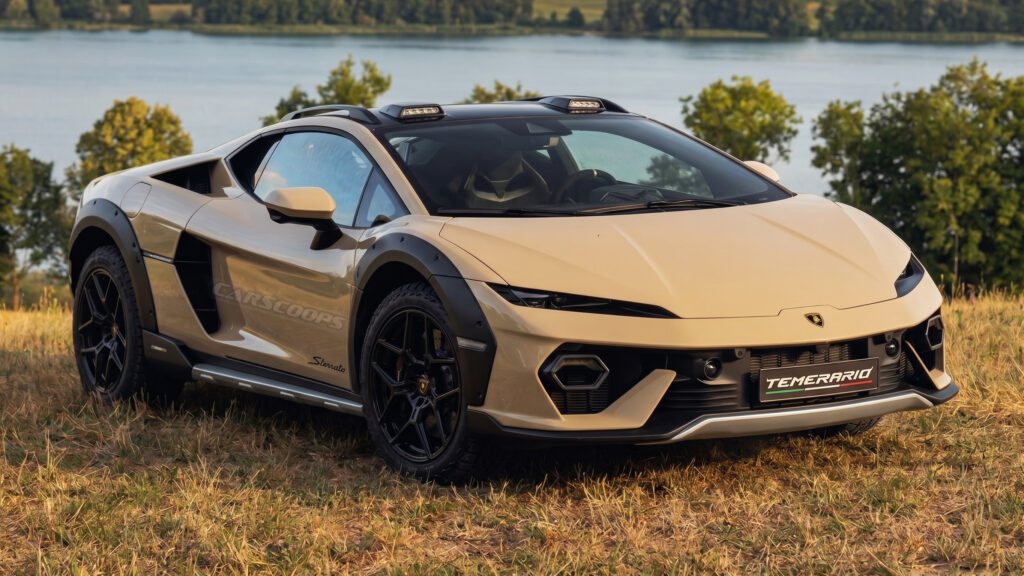
Lamborghini Temerario to spawn multiple variants, including possible Sterrato suc…
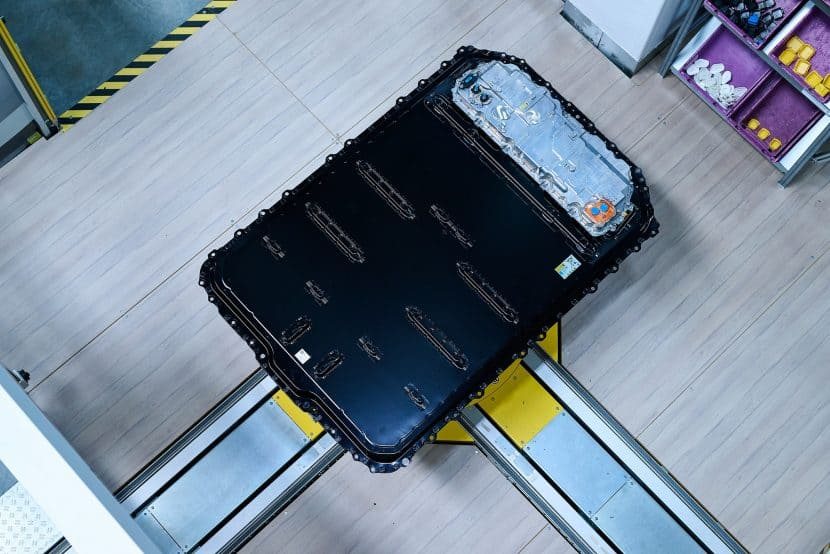
BMW's Gen6 high-voltage battery has been recognised at the 2026 World New Energy Vehicle Congress in China, marking the sixth time the Munich carmaker has received the honour and the first for a non-Chinese automaker in this category.
By Charlotte Redford · 5 min read
BMW has secured a significant technology accolade in China, where its sixth-generation high-voltage battery was named a winner of the «Global New Energy Vehicle Innovative Technology» award at the 2026 World New Energy Vehicle Congress. The recognition is notable not only for the technology itself but for the fact that BMW was the only non-Chinese automaker to receive an award of this kind at the event.
The Gen6 battery sits at the heart of BMW's Neue Klasse range of electric vehicles, a model family the company is positioning as a comprehensive reinvention of its electric offering rather than a simple update. According to BMW, the battery architecture was developed as a holistic system, with engineers considering range, charging speed, efficiency, sustainability, safety and driving dynamics together rather than treating the battery as an isolated component. More than 500 patents were filed during its development.
At a technical level, the Gen6 system centres on new cylindrical cells using a high-nickel cathode. It operates on an 800-volt electrical architecture and employs a cell-to-pack construction, meaning individual cells are integrated directly into the battery pack without the traditional intermediate modules. BMW says this approach allows more efficient use of space while increasing energy density, two priorities that directly affect how far a vehicle can travel and how quickly it can recharge.
The award adds to a growing record for BMW at the World New Energy Vehicle Congress, which has now recognised the Munich-based manufacturer six times overall, including five consecutive years. For a German carmaker competing in the world's largest electric vehicle market, such validation carries weight beyond prestige, particularly as BMW works to turn around its fortunes in China, where demand has fallen sharply in recent years.
Not all Neue Klasse batteries are identical, however. While the new electric vehicles generally use lithium-ion batteries based on nickel-manganese-cobalt chemistry, the entry-level iX3 30 sold in China takes a different route. That model uses lithium iron phosphate batteries, a chemistry that eliminates nickel, cobalt and manganese from the cathode. BMW has adopted the cheaper chemistry to reduce the cost of its entry-level iX3, while the more expensive iX3 40 and 50 versions continue to use NMC batteries.
The iX3 30 is currently sold exclusively in China, where the long-wheelbase variant is fitted with a 77-kWh LFP battery and a claimed range of 630 kilometres under the CLTC testing cycle. That figure comes from a more forgiving standard, and an equivalent WLTP rating would likely be at least 15 per cent lower, with an EPA estimate lower still.
There are trade-offs inherent in the choice. LFP batteries generally offer lower energy density than NMC packs, meaning they require more physical space to store the same amount of energy. On the other hand, they can deliver longer lifespans, better durability and improved resistance to thermal runaway. For a base model where keeping the price down matters more than extracting every last kilometre from the battery, the logic is straightforward.
BMW has designed the Neue Klasse platform to accommodate different cell technologies, describing the Gen6 battery architecture as technology-open. The LFP-powered iX3 30 is therefore a practical demonstration of that flexibility, and it raises the question of whether future entry-level models, such as a next-generation iX1, might adopt LFP packs to keep prices competitive.
Whether the latest award translates into stronger sales in China remains to be seen. The country is BMW's largest single market, and the company is hoping the China-specific iX3 will help reverse its recent decline there. The recognition from the World New Energy Vehicle Congress at least signals that the underlying technology is being taken seriously in the very market where BMW most needs to succeed.
5