Business 200
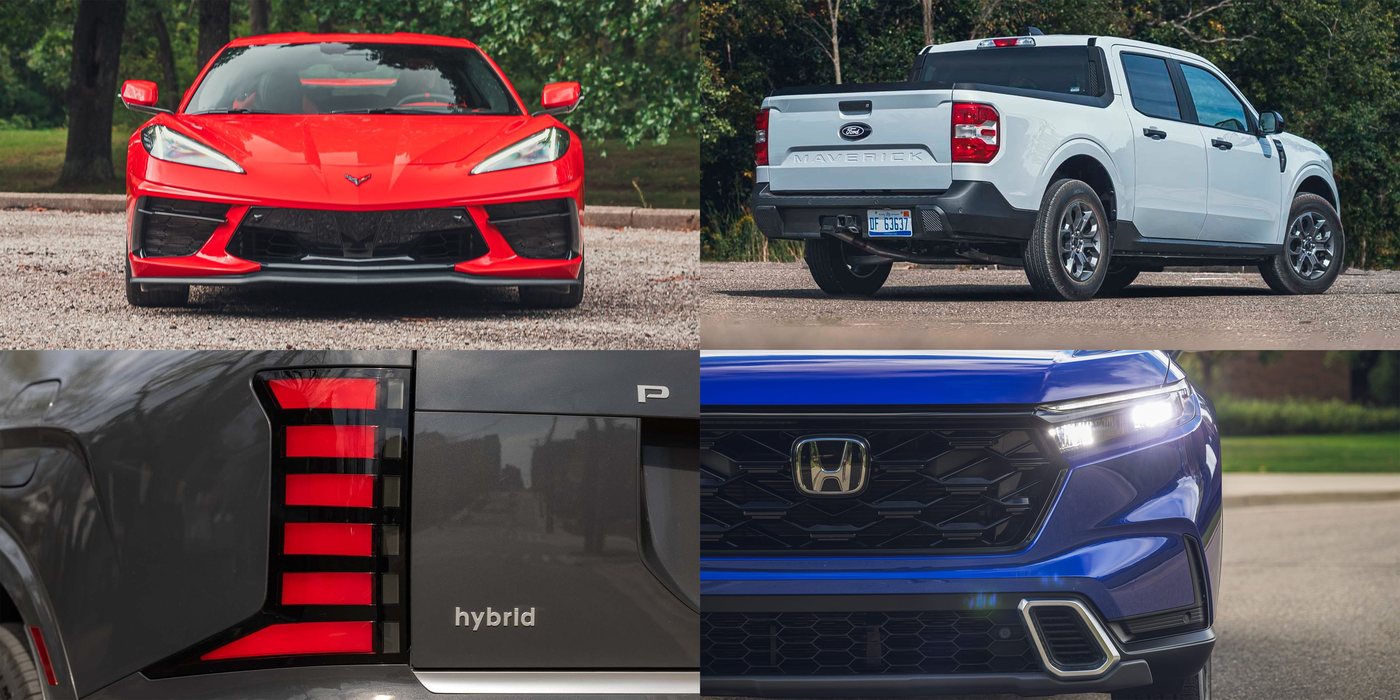
Hybrids Beat Petrol on Running Costs Across Most Popular Models, Review Finds
In this issue
Business 200
Hybrids Beat Petrol on Running Costs Across Most Popular Models, Review Finds
Culture 219
DK Engineering 1980s Ferrari 250 Testa Rossa Re-Creation Heads to Auction
Economy 37
Russia's EV Share Overtakes US as Fuel Shortages Bite
News 149
Weekly Exercise Linked to Slower Memory and Movement Decline in Parkinson's Patie…
Politics 110
Trump Urges Republicans to Vote by Mail After Years of Criticising the Practice
Sports 264
Manthey Marks 30 Years With 30 Special Track Porsches
Technology 254
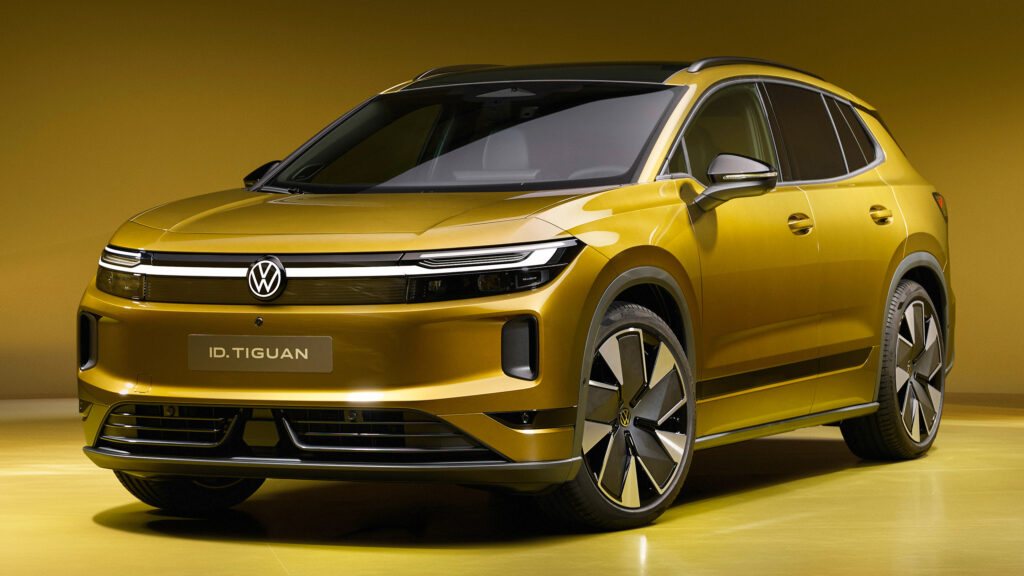
Volkswagen Unveils ID Tiguan to Replace ID 4 and ID 5
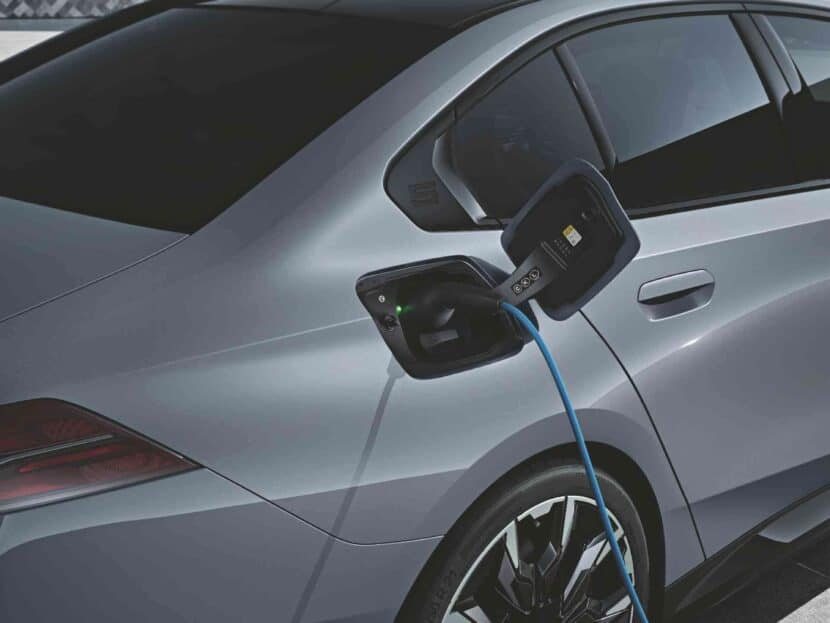
A BMW-commissioned survey of 1,005 US adults shows 73% could manage daily driving on 75 miles or less, yet 42% still demand at least 300 miles of range before buying an electric car. Faster charging and lower prices emerge as the key levers for adoption.
By Eleanor Ellington · 6 min read
American drivers overwhelmingly say they could cover their daily motoring on very little electric range, yet most still refuse to consider an electric vehicle unless it promises hundreds of miles between charges. That contradiction sits at the heart of a new BMW survey of 1,005 US adults, conducted online last month by Big Village, which suggests range anxiety remains a stubborn barrier even as battery technology improves.
According to the findings, 73 per cent of respondents said 75 miles or less would be enough for their daily driving. But 42 per cent insisted they would want at least 300 miles of range before considering an EV, and 18 per cent said they would demand 400 miles or more. Range also remains a deciding factor for 72 per cent of those shopping for an electric car, indicating that buyers prize the freedom to travel well beyond their usual routines.
Faster charging could help close that gap between expectation and everyday reality. Some 53 per cent of respondents said they would be more likely to consider an EV if it could add roughly 150 miles of range in just 10 minutes at a fast-charging station. That figure rose to 70 per cent among Gen Z and 65 per cent among Millennials, against 52 per cent of Gen X and 30 per cent of Baby Boomers. Younger drivers appear especially keen to cut charging stops to a few minutes rather than half an hour or longer.
Charging-time expectations are shifting too. Fifty-five per cent of Americans now regard 30 minutes or less as an acceptable charging time, up from 48 per cent in 2025, while 76 per cent would tolerate a stop of up to an hour, compared with 71 per cent a year earlier. BMW already exceeds the 150-mile benchmark with its new iX3, which can add an estimated 185 miles of range in 10 minutes at an 800-volt DC fast charger.
Price, however, remains the single biggest obstacle. Upfront purchase cost was the most frequently cited barrier, named by 51 per cent of respondents. Battery longevity and replacement costs followed at 31 per cent, charging time at 26 per cent, and both driving range and public charging availability at 24 per cent each. A further 23 per cent pointed to a lack of convenient home-charging access. Yet 27 per cent said lower ownership and operating costs would encourage them to consider an EV, while performance, advanced technology and environmental benefits each appealed to 19 per cent.
The used market may offer a route in. Fifty-five per cent of respondents said they would consider a certified pre-owned or used electric vehicle if the savings were substantial enough. Overall, 68 per cent of Americans said they would consider buying an EV. Only 56 per cent now view EV buyers as early adopters, down from 62 per cent in 2025, suggesting electric cars are gradually becoming a familiar option rather than a niche choice for technology enthusiasts.
Appreciation for performance is growing as well. Thirty-eight per cent of respondents believe EVs accelerate faster than comparable petrol-powered cars, a view shared by 47 per cent of Gen Z and 49 per cent of Millennials, but only 25 per cent of Baby Boomers.
BMW also asked what people might do during a 20- to 30-minute public charging stop. Calling or texting friends and family topped the list at 43 per cent, followed by grabbing coffee or food at 41 per cent. Another 36 per cent would relax or read, while 29 per cent would stream entertainment or play a game. More significantly, 57 per cent said they would be more likely to consider an EV if it could supply backup electricity to their home during a power outage. BMW's new iX3 supports bidirectional charging, including vehicle-to-home functionality, when paired with suitable home-charging equipment.
A survey commissioned by an automaker with a growing electric line-up should be read in context. Even so, the findings highlight a familiar industry challenge: convincing buyers that an EV fits their lifestyle while making the technology affordable and convenient. BMW's own products are moving in that direction. The Spartanburg-built electric iX5 is expected to deliver up to 435 miles of EPA-estimated range in the United States, while the iX3 demonstrates how quickly charging technology is advancing. The electric i3 sedan and the recently revealed iX4 are also on the way.
The irony is that most Americans surveyed do not need anything close to 300 miles for their daily driving. But buying a car is not only about the commute. Drivers want the freedom to take a spontaneous road trip without planning every stop around a charger. Until charging infrastructure, charging speeds and prices make that flexibility routine, the gap between what motorists need and what they say they want is likely to persist.
5