
Business 166
Suzuki Cuts Prices Across UK Range With Savings Up to £5,300
In this issue
Business 166
Suzuki Cuts Prices Across UK Range With Savings Up to £5,300
Culture 190
2020 Ford Mustang Shelby GT350R Heritage Edition with 1,500 Miles Heads to Auction
Economy 35
US Weighs Wider Red-Dyed Diesel Sales to Cut Record Fuel Prices
News 142
Captain Thanks Rescuers After 17 Crew Winched From Grounded Fishing Vessel Off Or…
Politics 109
Mahmood Opens New Legal Refugee Routes in Labour Conference Speech
Sports 254
Ford returns to World Rally Championship in 2028 with M-Sport
Technology 208
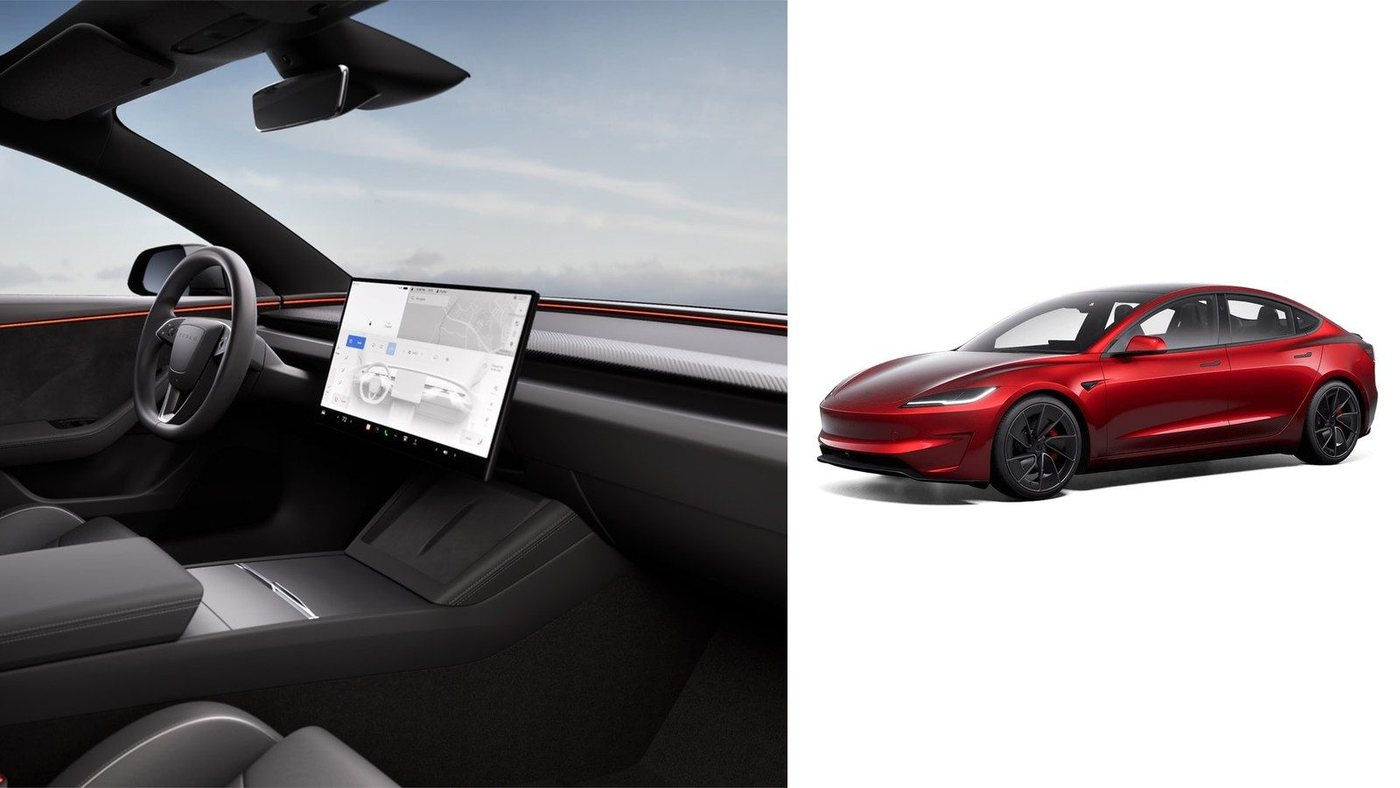
Tesla Upgrades Model 3 for US Buyers with Larger Screen and More Power

General Motors is recalling nearly 30,000 Cadillac Optiq electric SUVs because the anti-pinch window software may fail to detect an obstruction in the final half-inch of travel when the key fob is used, breaching federal safety standards. A software update fixes the problem.
By Edward Beaumont · 4 min read
General Motors is recalling 29,347 Cadillac Optiq electric SUVs to correct a fault in the anti-pinch software that governs the front windows. The defect means the glass may fail to detect an obstruction and reverse direction during the final half-inch of travel, creating a risk of injury and breaching federal safety rules.
The problem is confined to the express-up function activated by the key fob. When a driver presses the fob button to raise the windows, the anti-pinch system may not stop and reverse the glass if it encounters a hazard in the last 13 millimetres of movement. The fault affects certain 2025 to 2027 model year Optiq vehicles.
Anti-pinch technology has been a legal requirement on US cars for more than two decades. The software monitors resistance on the window motor; when the glass meets an obstacle, the increased load spikes the current and triggers a reversal. The system is designed to protect fingers, hands and necks from being crushed. Its absence in this narrow window of travel contravenes Federal Motor Vehicle Safety Standard 118, making the recall a legal necessity as well as a safety measure.
GM has placed responsibility for the error on its supplier, Kwangjin America, which it says set the upper travel range of the anti-pinch software incorrectly. The automaker has received no reports of injuries linked to the defect. The remedy requires no mechanical work: a software update to the Optiq's Body Control Module, carried out at a GM dealership, will correct the calibration. Owners enrolled in over-the-air update programmes can receive the fix remotely without visiting a service centre.
The recall is the second recent instance of Cadillac addressing the interaction between drivers' fingers and the Optiq's technology. The brand is rolling out new infotainment software for the Optiq, Lyriq, Vistiq and CT5-V that enlarges the virtual buttons on their touchscreens. The change follows customer feedback that the existing touch targets were too easy to miss, particularly while driving.
Power windows have been fitted to cars since the 1940s, when hydraulic systems gave way to the electric lifts now taken for granted. Anti-pinch software became mandatory in the United States more than 20 years ago and has since prevented countless injuries. The Optiq recall shows that even mature safety features remain vulnerable to calibration errors in the software-defined vehicle era, where a supplier's coding mistake can affect tens of thousands of cars and require a regulatory response.
For owners of the affected vehicles, the practical impact is limited. The fix is delivered through software, either at a dealership or over the air, and does not involve dismantling doors or replacing hardware. GM has not said whether the update will be applied automatically to all vehicles or only to those whose owners respond to notification. The recall covers 29,347 cars in total.
The episode also highlights the growing complexity of automotive supply chains, in which a single component supplier's software calibration can trigger a federal recall. As vehicles become more dependent on code, defects that once would have been mechanical are increasingly digital, and remedies increasingly take the form of an update rather than a repair.
5