Business 166
Suzuki Cuts Prices Across UK Range With Savings Up to £5,300
In this issue
Business 166
Suzuki Cuts Prices Across UK Range With Savings Up to £5,300
Culture 189
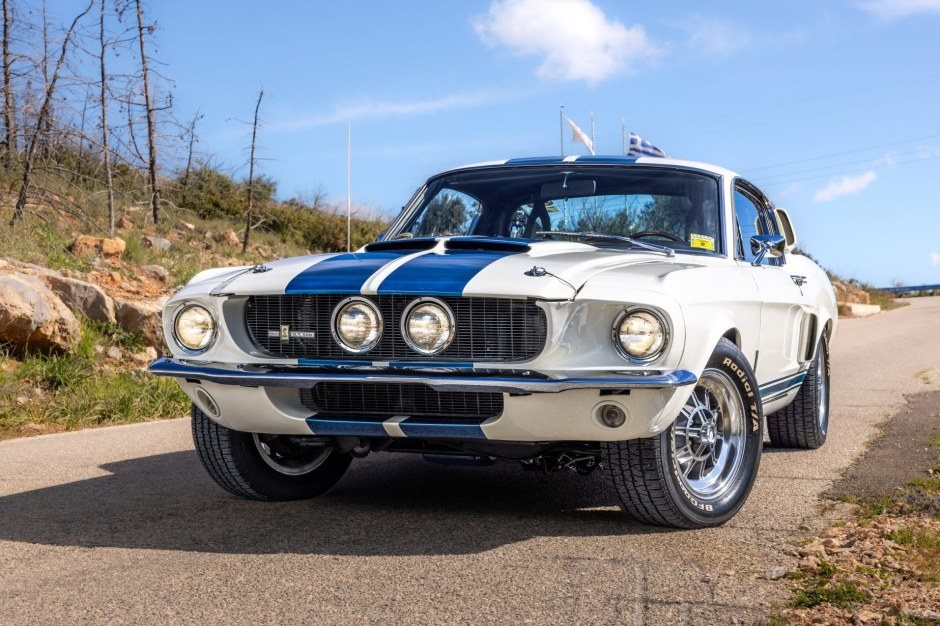
Carroll Shelby's personal 1967 GT500 heads to auction from Greek collection
Economy 35
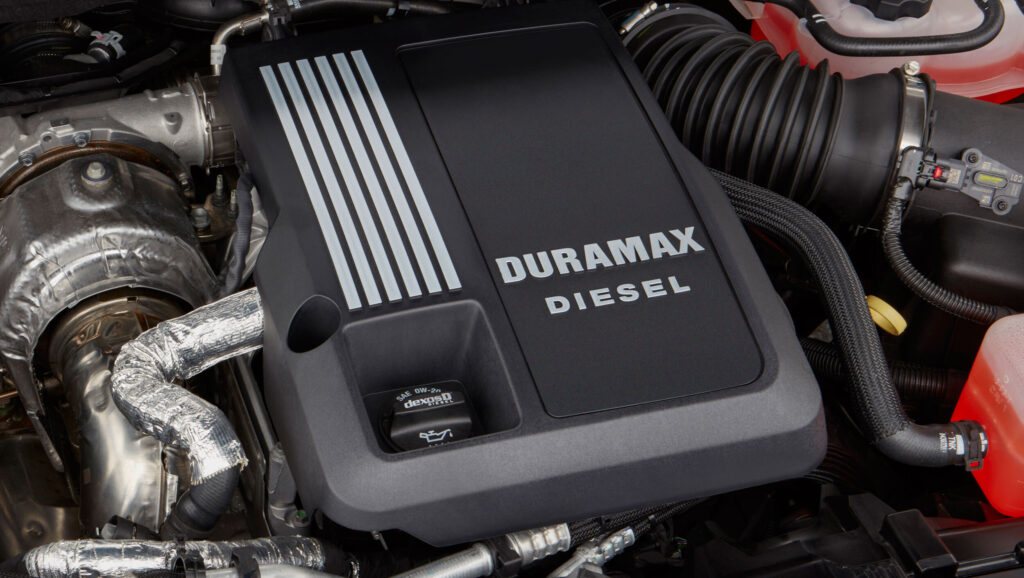
US Weighs Wider Red-Dyed Diesel Sales to Cut Record Fuel Prices
News 140
Kasparov Warned His Life Is in Danger, Says US and Lithuanian Security Services
Politics 109
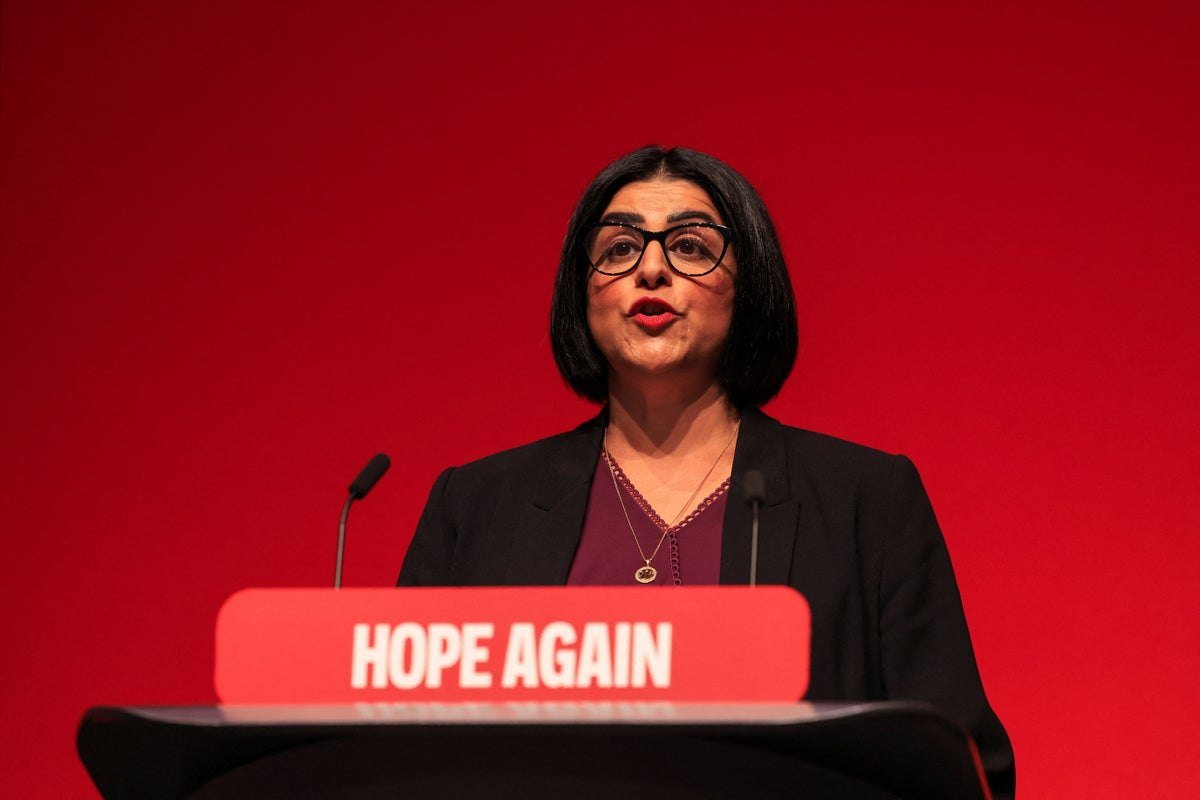
Mahmood Opens New Legal Refugee Routes in Labour Conference Speech
Sports 253
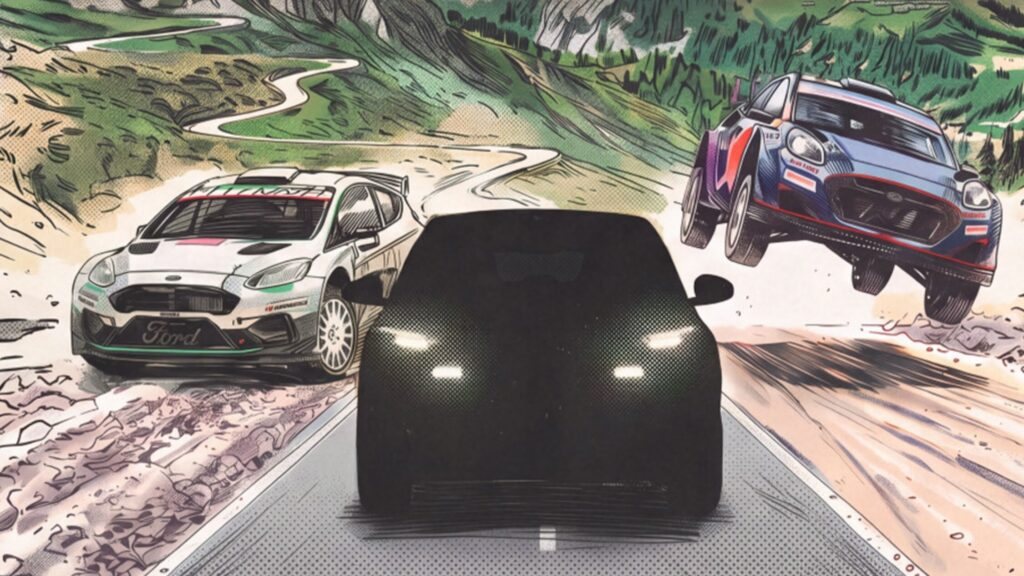
Ford Confirms Return to World Rally Championship for 2028
Technology 206
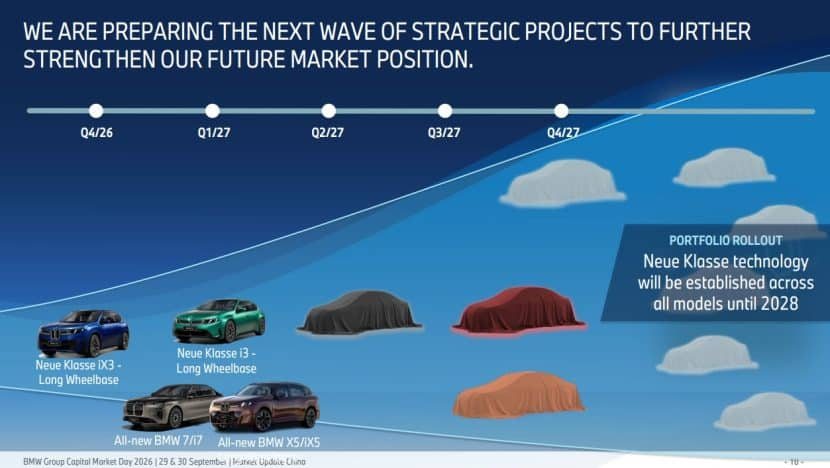
BMW Teases New Long-Wheelbase Models for China Through 2027
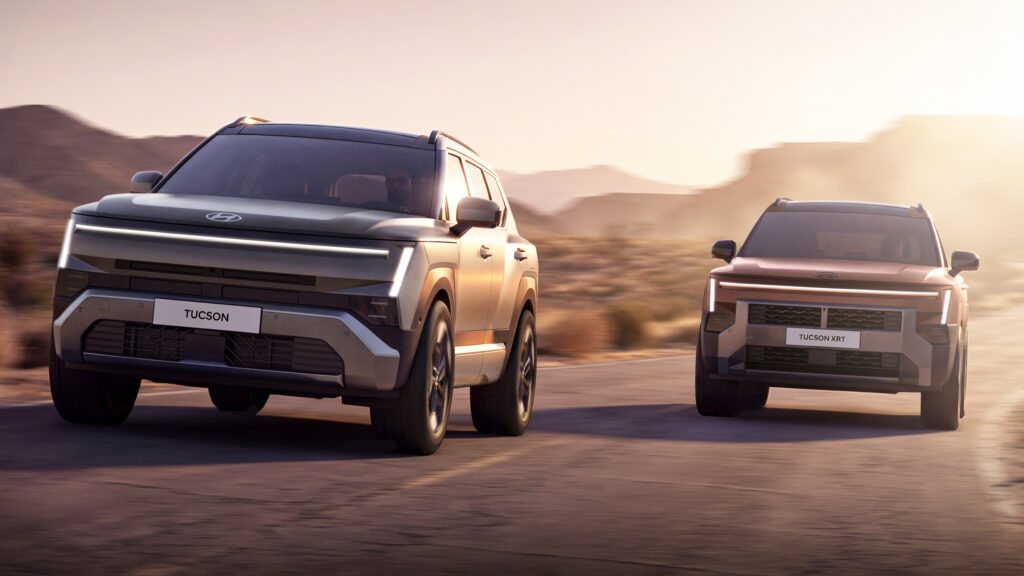
Hyundai has revealed the fifth-generation Tucson in New York, featuring the Art of Steel design language, a completely overhauled interior with the Pleos Connect infotainment system, and a choice of petrol, hybrid, and plug-in hybrid powertrains. The SUV grows in size for North America and Korea, while Europe receives a shorter variant. A sport-inspired version will debut at the Paris Motor Show.
By George Kensington · 4 min read
Hyundai has taken the wraps off the fifth-generation Tucson, a mid-sized SUV that adopts the brand's Art of Steel design philosophy and introduces a radically overhauled interior alongside a trio of powertrain options. The full reveal took place in New York City, following a preview in August, and the new model looks nothing like its predecessor.
The most striking change is the exterior design, which Hyundai describes as «The Boldest SUV». The front end features a light bar, upright daytime running lights, and a brutish bumper with black lower grilles and darkened headlamp clusters. Square fender flares and quarter panels push the angular approach of the fourth-generation model further. At the rear, a light bar, vertical taillights, and blacked-out trim complete the dramatic look. Long-wheelbase versions, destined for North America, Korea, and Australia, are 60mm longer, 40mm wider, and 20mm taller than the outgoing model, with a wheelbase stretched by 30mm to 2,785mm. A short-wheelbase version will be sold in Europe, where it measures 4.56m in length with a 40mm longer wheelbase than before.
Inside, the cabin has been completely redesigned. The centrepiece is Hyundai's new Android Automotive-powered Pleos Connect infotainment system, available with either a 12.9-inch or a 17-inch display. A small 9.9-inch gauge cluster display is also fitted, though in Korea it is optional on the base model. The dashboard is new, and the transmission tunnel features a tiered design with a raised section housing a wireless charger for the driver and a recessed section with two cupholders and a charger for the passenger. Ambient lighting, plush seats, and a column-mounted shifter are also included.
Under the bonnet, the Tucson offers three powertrain families depending on the market. Entry-level models use either a 1.6-litre turbocharged four-cylinder or a 2.0-litre naturally aspirated four-cylinder engine, producing between 148hp and 190hp, with torque ranging from 191Nm to 264Nm. Transmission choices include a six-speed manual, seven-speed dual-clutch, eight-speed automatic, and six-speed automatic, though US specifications have yet to be confirmed.
The hybrid and plug-in hybrid variants are more technically interesting. Both pair a 1.6-litre turbo four with an electric motor. The Tucson Hybrid uses a small 1.49kWh battery, a six-speed automatic, and delivers between 233hp and 242hp with 380Nm of torque, achieving 0-60mph in 8.5 seconds. The Plug-In Hybrid has been significantly upgraded, now rated at 288hp and 350Nm. It is sold exclusively with a six-speed gearbox and four-wheel drive, completing the 0-60mph sprint in 7.9 seconds. Its 17.1kWh battery provides 50 miles (81km) of all-electric range.
Hyundai has also announced two rugged derivatives: the Tucson XRT and XRT Pro. Both feature an even more dramatic design, with the XRT Pro — sold only in North America — adding all-terrain tyres, front recovery hooks, and improved approach and departure angles. A «sport-inspired» version will premiere at the Paris Motor Show next week, widely expected to be a new N-Line model, though Hyundai is keeping details under wraps.
South Korea will be the first market to receive the new Tucson later this year, followed by North America, Europe, and other markets in 2027. The fifth-generation model is tasked with defending Hyundai's position in the competitive mid-sized SUV segment, where it faces fresh competition from Chinese rivals such as the Jaecoo 7 and BYD Seal U. Hyundai says improving interior space and practicality was a key consideration in the development of the new Tucson, which remains one of the world's best-selling cars.
5