
Business 165
Ram's Entry-Level Rumble Bee Sells Out in 90 Minutes
In this issue
Business 165
Ram's Entry-Level Rumble Bee Sells Out in 90 Minutes
Culture 188
Ford Puma Turned Race Car Heads to Auction in Guildford
Economy 35
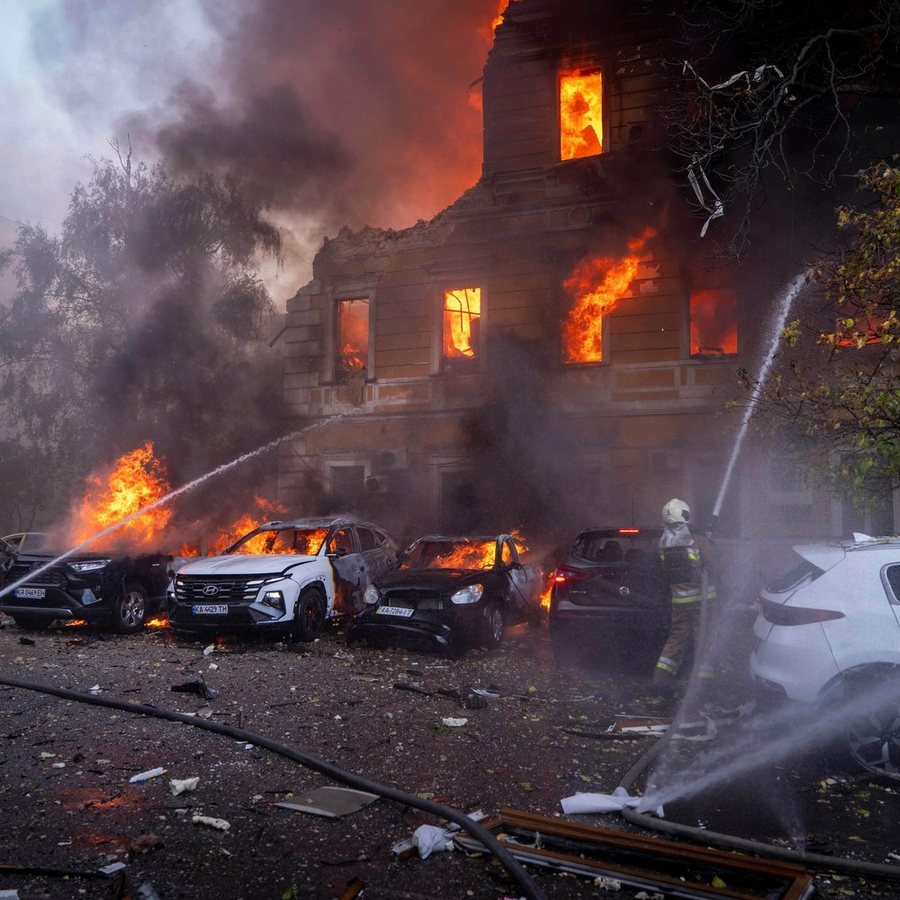
US Weighs Wider Red-Dyed Diesel Sales to Cut Record Fuel Prices
News 139
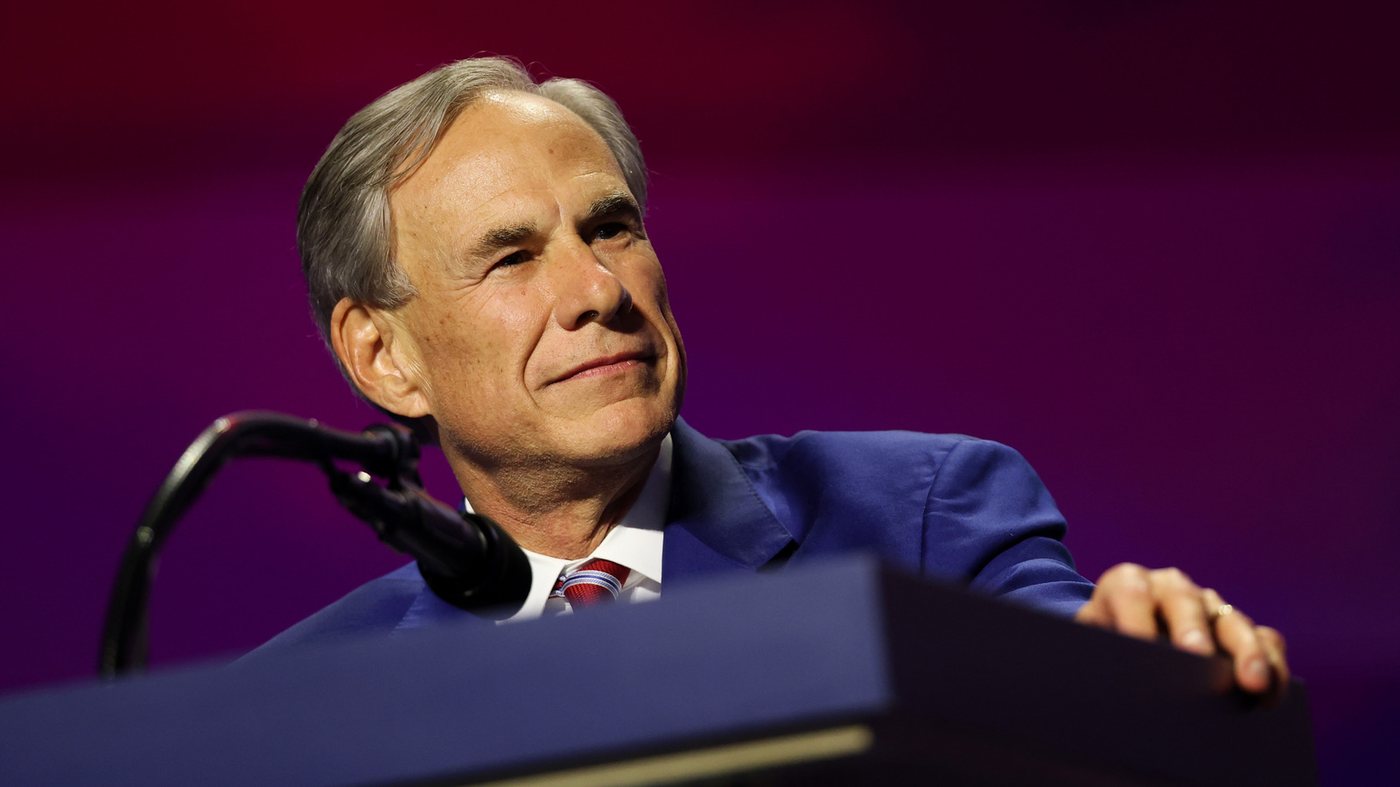
Texas Declares Statewide Disaster Over Diesel Prices and Allows Home Heating Oil
Politics 109
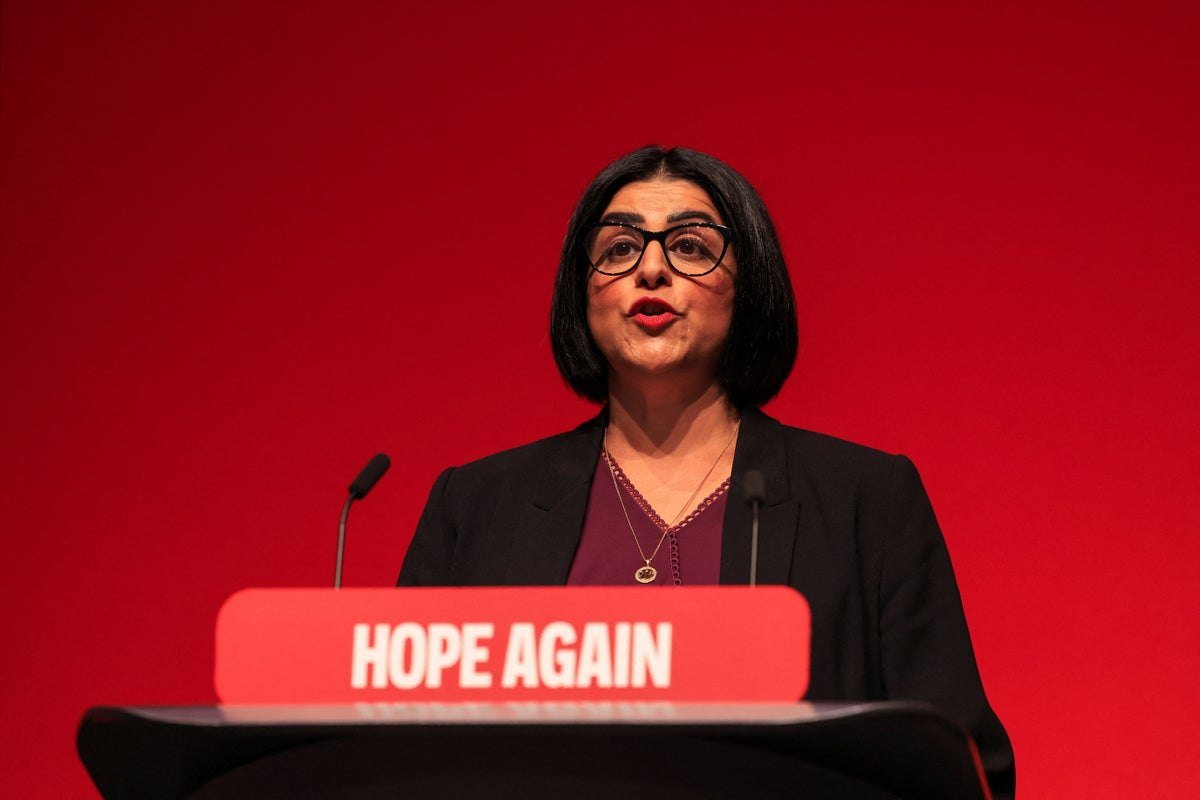
Mahmood Opens New Legal Refugee Routes in Labour Conference Speech
Sports 253
Ford Confirms Return to World Rally Championship for 2028
Technology 206
BMW Teases New Long-Wheelbase Models for China Through 2027
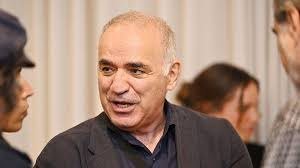
The exiled Russian dissident and former world chess champion says American and Lithuanian security services alerted him and a supporter to a threat against his life.
By George Kensington · 4 min read
Garry Kasparov, the former world chess champion turned leading Kremlin critic, has said that American and Lithuanian security services warned him that his life is in danger. The 63-year-old, who lives in exile, announced the alert on his social media accounts, according to reports.
Kasparov said the warning was also passed to Ivan Tyutrin, one of his supporters. The disclosure follows earlier reporting that Kasparov and another exiled Russian opposition figure, Ilya Ponomaryov, had been named in an alleged assassination plot on United States soil.
The former champion has spent more than two decades as one of the most prominent voices opposing President Vladimir Putin. He left Russia in 2013, fearing prosecution, and has since lived in the United States and Europe, where he has continued to campaign against the Kremlin and to support opposition movements.
His public profile has made him a repeated target of Russian state rhetoric. In 2024, Russian state media reported that he had been added to a list of individuals designated as terrorists and extremists, a label that carries serious implications for anyone associated with him inside Russia.
The latest warning underscores the risks faced by Russian dissidents abroad. In recent years, several Kremlin critics have been attacked or killed outside Russia, including the poisoning of Alexei Navalny in 2020 and his death in an Arctic prison colony in 2024. Other opposition figures have reported threats, surveillance and attempts on their lives in countries across Europe and North America.
Kasparov has not commented publicly on the specifics of the alleged plot beyond confirming that security services had been in touch. He has previously said that he takes such threats seriously but refuses to be silenced, arguing that the only way to counter the Kremlin is to keep speaking out.
The warning comes at a time of heightened tension between Russia and Western governments. Moscow has repeatedly denied involvement in attacks on dissidents, dismissing such claims as Western propaganda. There has been no immediate response from the Kremlin to the latest disclosure.
Lithuanian authorities have not issued a public statement on the matter. The United States has also not commented officially. Kasparov's announcement is likely to renew scrutiny of the security arrangements for prominent Russian exiles and the extent to which Western intelligence agencies are monitoring threats against them.
For Kasparov, the episode is the latest chapter in a second career that has made him as well known for his politics as for his chess. After retiring from competitive play in 2005, he founded the United Civil Front and later the opposition coalition The Other Russia. He has written books on Russian politics and frequently appears in international media as a commentator on authoritarianism and democracy.
His supporters say the warning will not deter him. Tyutrin, who was also alerted, is among those who have worked alongside Kasparov in exile. The two men have not indicated whether they plan to change their activities or whereabouts in response to the security advice.
The alleged plot remains unconfirmed in detail, and no arrests have been announced. The disclosure nonetheless adds to a growing pattern of reported threats against Russian opposition figures living outside their homeland, and it places fresh attention on the dangers facing those who challenge the Kremlin from abroad.
4