Business 158
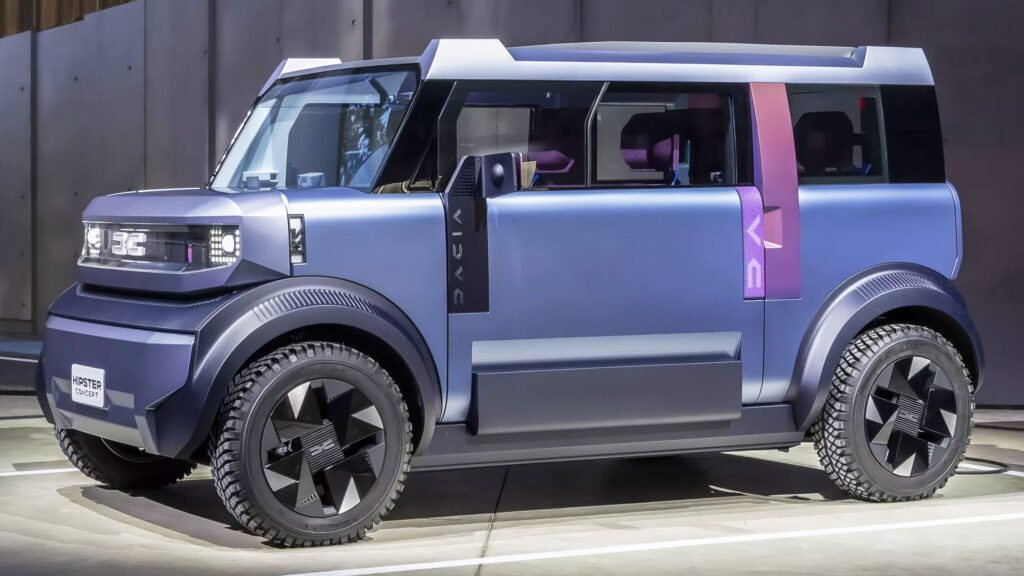
Dacia to Build Hipster EV in China as Budget Brand Expands
In this issue
Business 158
Dacia to Build Hipster EV in China as Budget Brand Expands
Culture 181
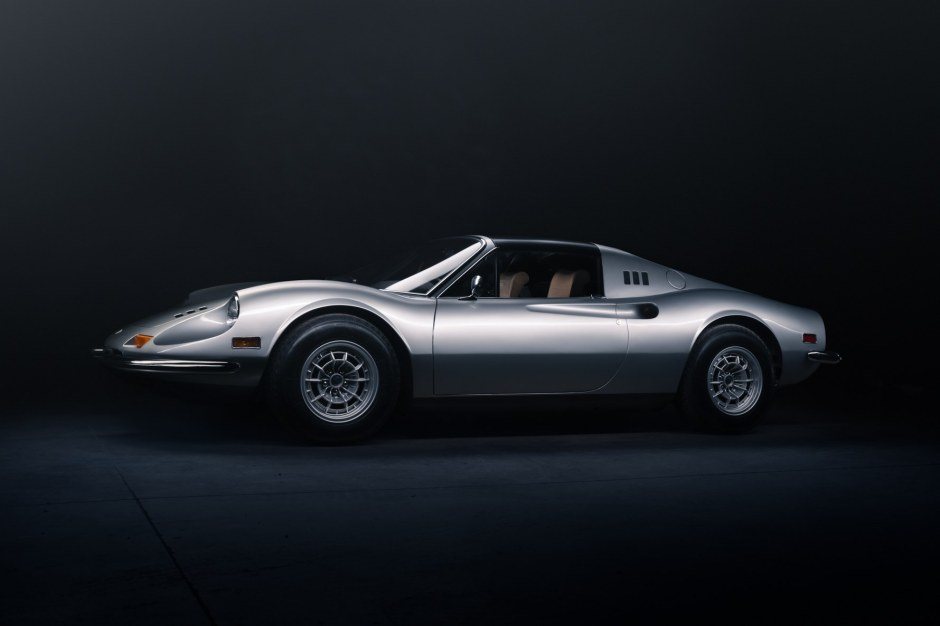
1973 Ferrari Dino 246 GTS with 11k Miles Heads to Auction After $73k Restoration
Economy 34
Poland's Rising Abstinence Hits Alcohol Tax Revenues
News 136
Police in England and Wales Can Now Seize Off-Road Vehicles Without Warning
Politics 109
Mahmood Opens New Legal Refugee Routes in Labour Conference Speech
Sports 251
Toyota GR Celica Rally Prototype Spotted Testing in Spain
Technology 198
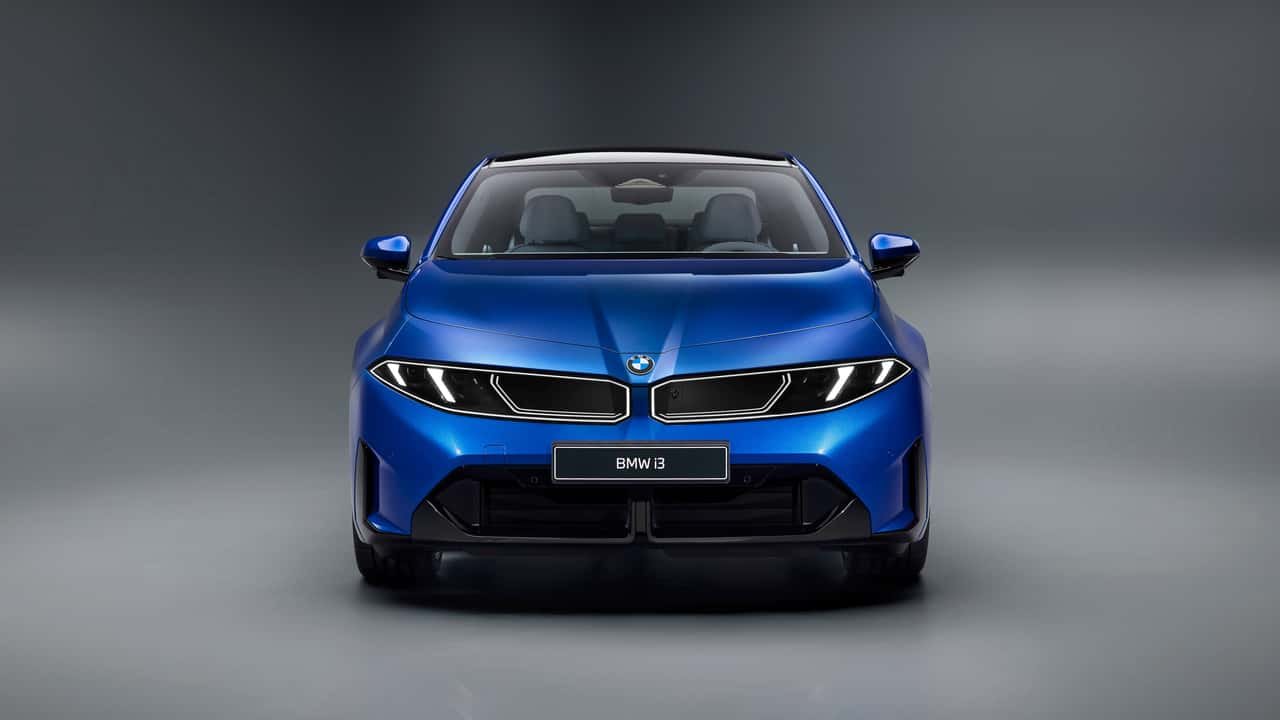
BMW Adds Cheaper i3 40 xDrive With Smaller Battery And 441-Mile Range
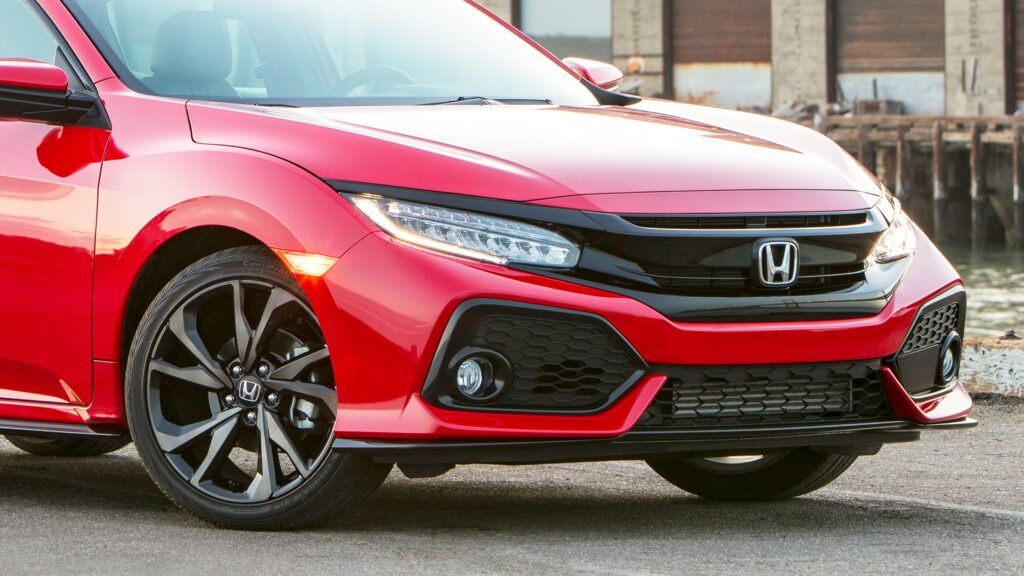
The family of 18-year-old Jacob L. Swann has filed a lawsuit in Burlington County, New Jersey, alleging that a defective rear seatbelt in a 2017 Honda Civic caused fatal injuries in a head-on crash. The driver of the Civic is also named as a defendant.
By Charlotte Redford · 4 min read
The family of an 18-year-old man killed in a head-on collision in New Jersey is suing Honda, claiming that a defective rear seatbelt in a 2017 Civic caused the catastrophic injuries that led to his death. The lawsuit, filed in the Superior Court of Burlington County, alleges that the restraint system in the vehicle was not crashworthy and failed to protect Jacob L. Swann, who was a rear-seat passenger at the time of the crash.
The crash occurred on 27 May 2025 on North Route 31. According to a police report, the Civic, driven by teenager Lukas J. Corcoran, crossed the centre line and slammed head-on into a vehicle travelling northbound. The impact left Corcoran and a front-seat passenger with serious injuries and killed Swann. The suit claims that Swann was wearing his three-point seatbelt when the collision happened.
The lawsuit alleges that the 2017 Civic «was defectively designed» and was not reasonably fit, suitable, and safe for its intended purpose. It claims that the rear seat restraint system was not crashworthy, defective in design and workmanship, and caused Swann to suffer «dangerous and avoidable localized deceleration of vulnerable portions of his body that led to internal/fatal injuries.» The plaintiffs further allege that the seatbelt system experienced excessive web spool-out and that the rear seat «was defectively designed because it did not include an adequate and necessary anti-submarining ramp configuration.»
Lawyers for Swann's estate argue that Honda knew, or should have known, that the Civic's design presented an unreasonable risk of causing physical harm in a crash. The lawsuit states that Honda is «strictly liable to the plaintiffs for the catastrophic injuries and death» of the 18-year-old. The family is seeking a jury trial and is asking for compensatory and punitive damages, interest, attorneys' fees, and any other relief the court deems appropriate.
In addition to Honda Motor Company, the plaintiffs have named American Honda Motor, Honda Development & Manufacturing of America, and Honda Canada as defendants. The driver of the Civic, Lukas J. Corcoran, is also a defendant. The lawsuit states that the crash occurred because of his «careless operation» of the car, and under the New Jersey Survival Act and the New Jersey Wrongful Death Act, the plaintiffs are seeking compensatory damages from Corcoran.
The legal action highlights a tension between the Civic's official safety record and the allegations in the complaint. All versions of the 2017 Civic — coupe, sedan, and hatchback — received a five-star safety rating from the National Highway Traffic Safety Administration (NHTSA), and all body styles were named a 2017 Top Safety Pick by the Insurance Institute for Highway Safety (IIHS). Seat belts are estimated to save more than 15,000 lives each year in the United States alone, according to the source material.
The case now moves through the New Jersey court system, where the plaintiffs will need to substantiate their claims that the rear seatbelt and seat design were defective and that those defects directly caused Swann's fatal injuries. Honda has not yet publicly responded to the allegations. The outcome could have implications for how the manufacturer's restraint systems are scrutinised in future litigation, particularly in cases involving rear-seat occupants.
4