Business 158
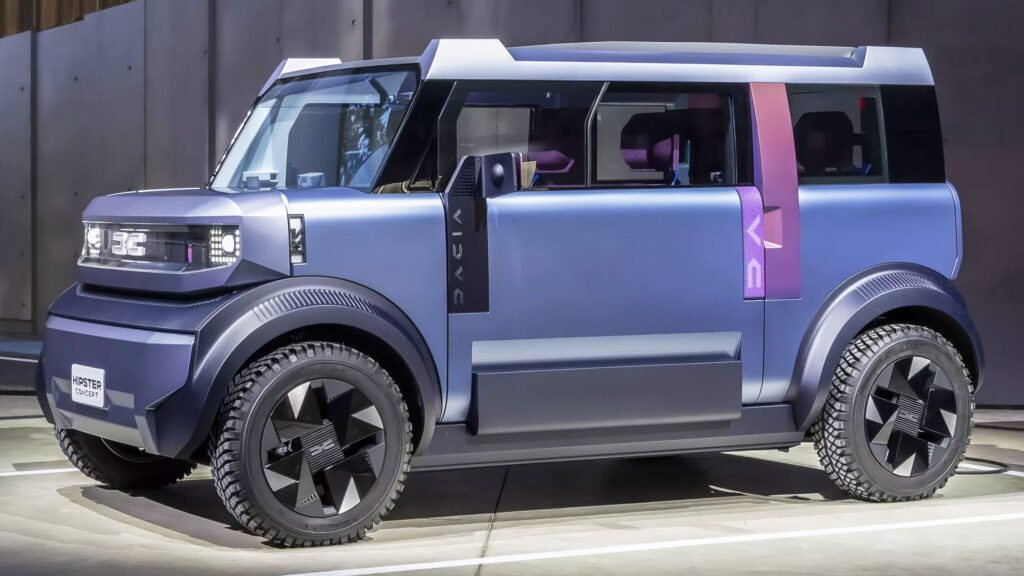
Dacia to Build Hipster EV in China as Budget Brand Expands
In this issue
Business 158
Dacia to Build Hipster EV in China as Budget Brand Expands
Culture 180
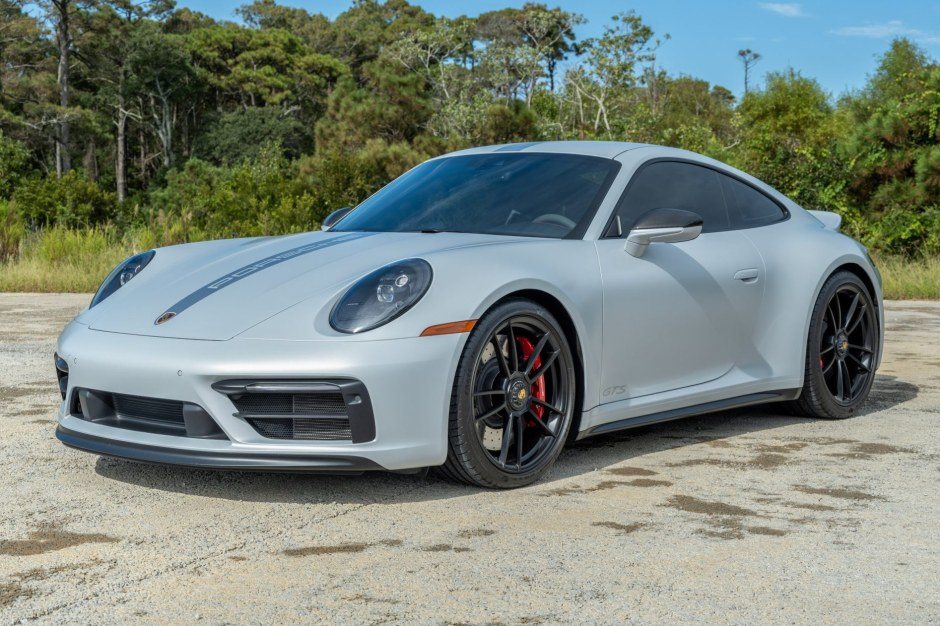
Porsche 911 Carrera GTS With Seven-Speed Manual Heads to Auction
Economy 34
Poland's Rising Abstinence Hits Alcohol Tax Revenues
News 135
Trump Administration Revises Fuel Economy Rules, Cutting 2031 Target by a Third
Politics 109
Mahmood Opens New Legal Refugee Routes in Labour Conference Speech
Sports 250
England Prepare for Czech Republic Clash as O'Reilly Ruled Out
Technology 196
GTA 6 Reveals Hurricanes, Six Regions and 170 Animal Species
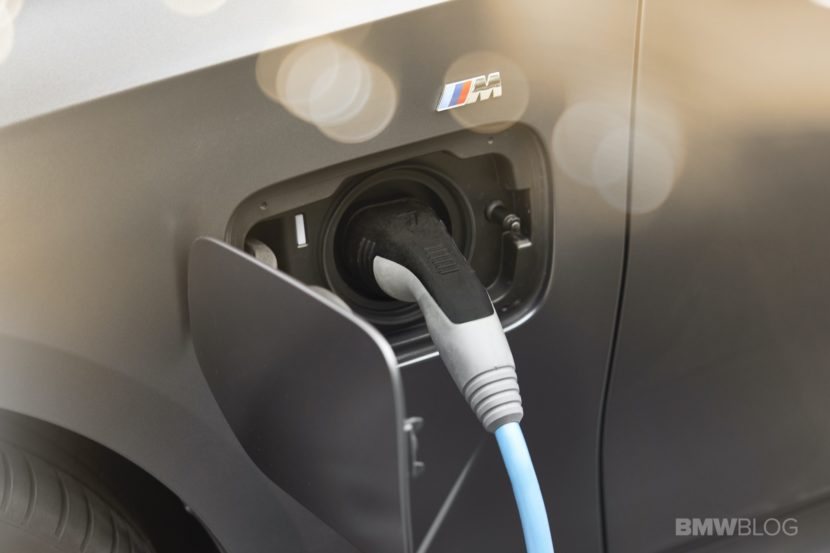
BMW will add a plug-in hybrid to the eighth-generation 3 Series in 2027, slotting between the combustion models and the fully electric i3 as part of its Power of Choice strategy.
By George Kensington · 4 min read
BMW has confirmed that the next-generation 3 Series will gain a plug-in hybrid powertrain in 2027, giving buyers a third option alongside the combustion-engined models and the fully electric i3. The G50-generation car has already arrived in electric i3 and petrol 3er forms, but the two cannot be combined in a single vehicle. The plug-in hybrid will replace the G20-based 330e and is expected to offer a longer electric range than its predecessor.
The German manufacturer's first priority is the rollout of the G50 with four- and six-cylinder petrol engines, all featuring mild-hybrid technology. The diesel engine has been dropped from the 3 Series line-up entirely. The PHEV will join the range in 2027, positioned between the traditional combustion models and the battery-electric i3. Technical specifications remain under wraps, but the powertrain is expected to use a four-cylinder engine, since BMW has said the M350 xDrive is the only 3 Series variant with an inline-six.
That points to an updated version of the B48 2.0-litre turbocharged four-cylinder petrol engine working with an electric motor and a high-voltage battery. The outgoing 330e offers a useful benchmark: its 2.0-litre engine pairs with an electric motor and a 19.5kWh battery, delivering up to 101 kilometres (63 miles) of electric range on the WLTP cycle in rear-wheel-drive form. The slightly heavier xDrive version is rated at up to 96km (60 miles), while Touring models also fall below the three-figure mark because of their added bulk.
BMW should have room to improve on those figures. Battery technology has advanced significantly since the G20 330e launched, and the Neue Klasse brings a host of efficiency improvements that should benefit the combustion-powered models as well. The company regards the 3 Series as a Neue Klasse product even though it has an engine rather than a front trunk under the bonnet. That does not necessarily mean the G50 PHEV will receive an enormous battery. BMW could instead prioritise efficiency and packaging while giving the 3 Series enough electric range to cover most daily driving without firing up the petrol engine. Even so, it is likely to comfortably exceed the 100-kilometre WLTP mark. BMW has not announced battery capacity or electric range, so anything beyond the G20's numbers remains speculation.
The plug-in hybrid also illustrates BMW's ongoing Power of Choice strategy. The company is effectively covering nearly all bases with the new 3 Series: traditional combustion engines for those who still want them, a plug-in hybrid for customers who want electric commuting without giving up long-distance flexibility, and the i3 for those ready to go fully electric. The diesel is dead, but a next-generation plug-in hybrid that improves on the last one could soften the blow of the oil-burner's demise.
Plug-in hybrids remain a significant part of BMW's sales mix. In 2025, cars combining a petrol engine with an electric motor and a battery pack accounted for 8.1% of total sales. Through the first half of 2026, that share dipped to 7.9%, but PHEVs still matter for buyers unwilling to switch to pure EVs. Even with the i3 covering a claimed 912 kilometres (567 miles) on a single charge, range anxiety could remain an issue in areas where charging infrastructure leaves much to be desired. For those customers, a new 330e, though the name is not confirmed, should fill that void. For now, BMW has only confirmed the next 3 Series plug-in hybrid for Europe, but availability will likely expand beyond the continent.
3