Business 222
Jeep Weighs Willys Revival to Counter Chinese Rivals in Europe
In this issue
Business 222
Jeep Weighs Willys Revival to Counter Chinese Rivals in Europe
Culture 265
New Zealand Museum Releases 1938 Aerial Photos of Nikumaroro Island in Earhart Se…
Economy 40
US Petrol Prices Set Record for Longest Stretch Above $4 a Gallon
News 153
Forecasters Issue Winter Snow Verdict for the UK
Politics 114
Hungary Moves to Repeal Anti-LGBT Laws in Push for EU Closer Ties
Sports 278
Middlesbrough Host Cardiff City in Championship Clash
Technology 309
BMW Adds Twin-Turbo V8 to 7 Series Flagship With New M760 xDrive
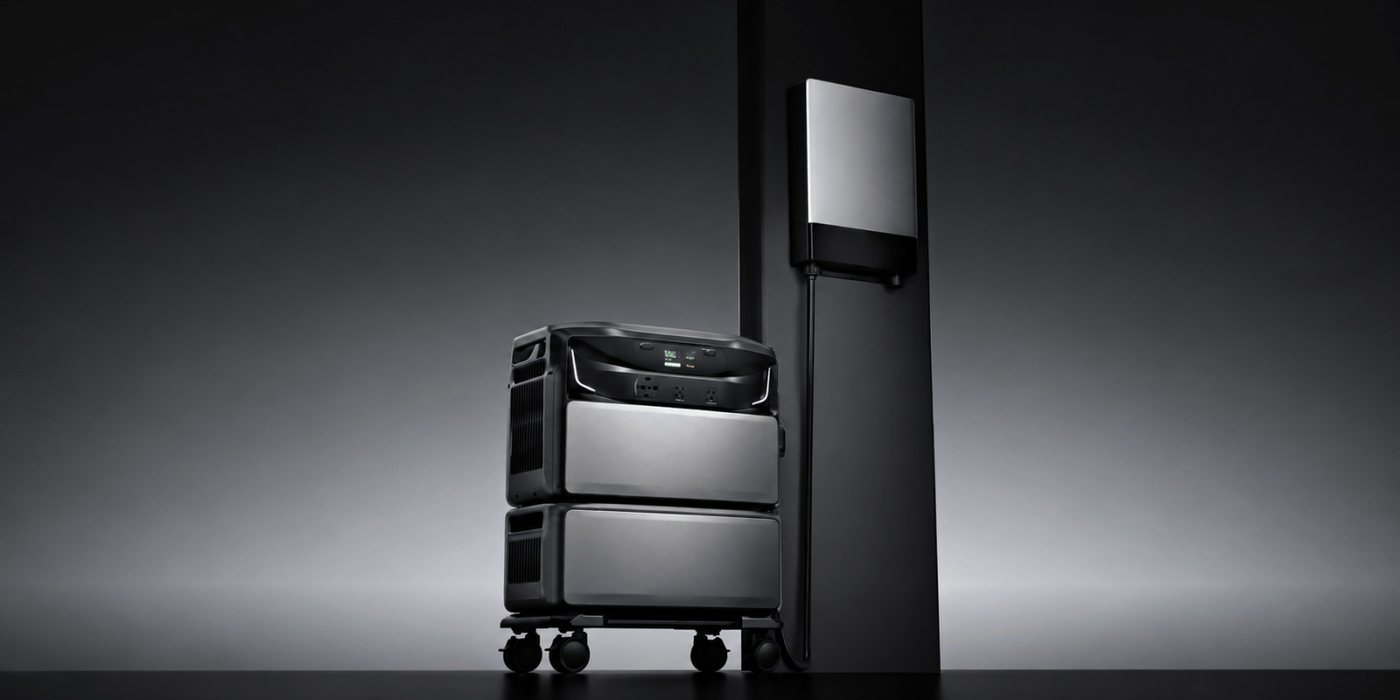
EcoFlow has introduced a compact, expandable residential energy storage line aimed at homeowners who want a lower-cost entry point to backup power, the company says.
By Edward Beaumont · 4 min read
EcoFlow has unveiled a new residential energy storage system designed to be smaller and more scalable than its existing home battery offerings, positioning the product as a more accessible route into backup power for households that may have been put off by the cost or complexity of larger installations.
The company is marketing the lineup under the name Tiny Titan, a deliberate contrast with the scale of conventional home batteries. Rather than requiring homeowners to commit to a large fixed capacity from the outset, the system is built to start small and expand as needs change, according to the company.
The move reflects a broader shift in the home energy storage market, where manufacturers are competing to lower the barrier to entry. Whole-home battery systems have typically carried high upfront costs and lengthy installation processes, limiting take-up to households with significant budgets or specific energy needs.
EcoFlow has built its reputation on portable power stations and smaller backup products, and the new residential line extends that approach into the fixed-installation market. The company describes the system as an approachable entry point to its backup battery range, suggesting it sees first-time buyers as a key audience.
Scalability is central to the pitch. A modular design allows capacity to be added over time, which could suit homeowners who want to begin with a modest system and increase storage later, whether to cover longer outages or to make greater use of solar generation.
The announcement comes as households in Britain and elsewhere face pressure to manage electricity costs and improve resilience against supply disruptions. Battery storage can allow homeowners to store cheap or self-generated power and draw on it during peak periods or outages, though the economics depend heavily on tariffs, installation costs and individual usage patterns.
EcoFlow has not yet disclosed detailed pricing or a full specification for the new line in the material released so far. Those details will be closely watched by installers and consumers alike, since the upfront cost of hardware remains one of the biggest factors in whether home storage stacks up financially.
The company's existing product range spans portable power stations and solar panels alongside larger home backup systems, and the new lineup is intended to sit at the more affordable end of that portfolio. For EcoFlow, the strategy appears to be capturing customers earlier, then retaining them as their storage needs grow.
Competition in the sector is intensifying, with established battery makers and newer entrants all targeting homeowners who want greater control over their energy use. Smaller, modular systems could widen the addressable market by reducing the commitment required at the point of purchase.
Whether the approach translates into widespread adoption will depend on how the system performs in practice and how its total cost compares with rival offerings. For now, EcoFlow is betting that starting small is the way to make home batteries appeal to a much broader group of households.
8