Business 222
Jeep Weighs Willys Revival to Counter Chinese Rivals in Europe
In this issue
Business 222
Jeep Weighs Willys Revival to Counter Chinese Rivals in Europe
Culture 264
1955 Mercedes-Benz 300SL Gullwing with Royal Provenance Comes to Market
Economy 40
US Petrol Prices Set Record for Longest Stretch Above $4 a Gallon
News 153
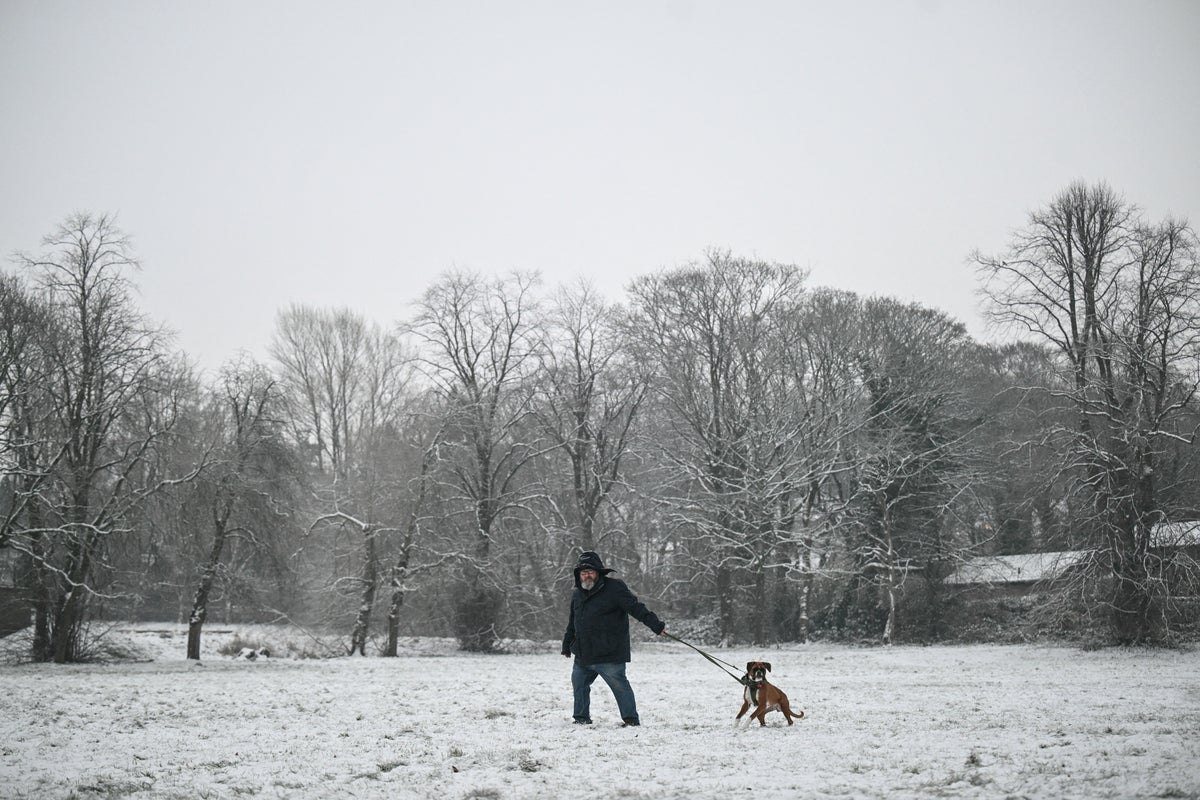
Forecasters Issue Winter Snow Verdict for the UK
Politics 114
Hungary Moves to Repeal Anti-LGBT Laws in Push for EU Closer Ties
Sports 278
Middlesbrough Host Cardiff City in Championship Clash
Technology 310
EcoFlow launches smaller scalable home battery system
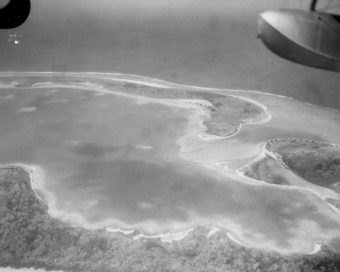
A museum has published rare aerial survey photographs of the remote Pacific atoll where some researchers believe Amelia Earhart landed, as renewed search efforts continue.
By Eleanor Ellington · 4 min read
A New Zealand museum has released a set of rare historical aerial photographs of Nikumaroro Island, the remote Pacific atoll that has long been central to theories about the disappearance of Amelia Earhart. The images, captured during a 1938 survey, offer a detailed view of the island as it appeared just a year after the aviator vanished, and are being made public as interest in the case intensifies.
The photographs were taken as part of an aerial mapping exercise and show the island's reef, lagoon and sparse vegetation in unusual clarity. Researchers who support the theory that Earhart landed on Nikumaroro — then known as Gardner Island — believe such imagery can help identify changes to the shoreline and any surviving wreckage or campsite evidence. The museum's release is intended to assist independent investigators and historians working on the case.
Earhart disappeared in July 1937 while attempting to become the first woman to fly around the world. She and navigator Fred Noonan were flying from Lae in Papua New Guinea towards Howland Island when radio contact was lost. A massive search by the US Navy failed to find any trace of the aircraft or the pair. The official conclusion was that the plane crashed into the ocean, but alternative theories have persisted for decades.
One of the most enduring holds that Earhart and Noonan made a forced landing on the flat coral reef of Gardner Island, now Nikumaroro, part of the Phoenix Islands in what is now Kiribati. Proponents point to artefacts found on the island, including fragments of clothing and tools, as well as archival records suggesting a distress signal was heard from the area. The island was uninhabited at the time and was later settled by people from the Gilbert Islands.
The newly released photographs are expected to be studied by groups including the International Group for Historic Aircraft Recovery, which has conducted multiple expeditions to Nikumaroro. The organisation has argued that the island's shoreline has changed significantly over the decades, potentially burying or washing away evidence. The 1938 images provide a baseline against which modern surveys can be compared.
News of the museum's release comes as a fresh search for Earhart's aircraft resumes after being delayed by stormy weather. The expedition is focused on the waters around Nikumaroro and is using advanced sonar and underwater imaging equipment. Organisers have said the search area is based on decades of research and analysis of radio signals and debris.
The renewed interest has been fuelled by the release of the historical photographs, which have circulated widely online and prompted a surge in public attention. Historians caution that no definitive proof has yet been found, and that the case remains one of aviation's most tantalising mysteries. The museum has said the images are being made available to researchers and the public in the hope that they may yield new clues.
For those following the search, the photographs represent a rare tangible link to the period immediately after Earhart's disappearance. They also highlight the difficulty of locating evidence in one of the most remote and inhospitable parts of the Pacific. Whether the new search will finally resolve the question of what happened to Earhart and Noonan remains uncertain, but the combination of archival material and modern technology has given the investigation fresh momentum.
4