Business 150
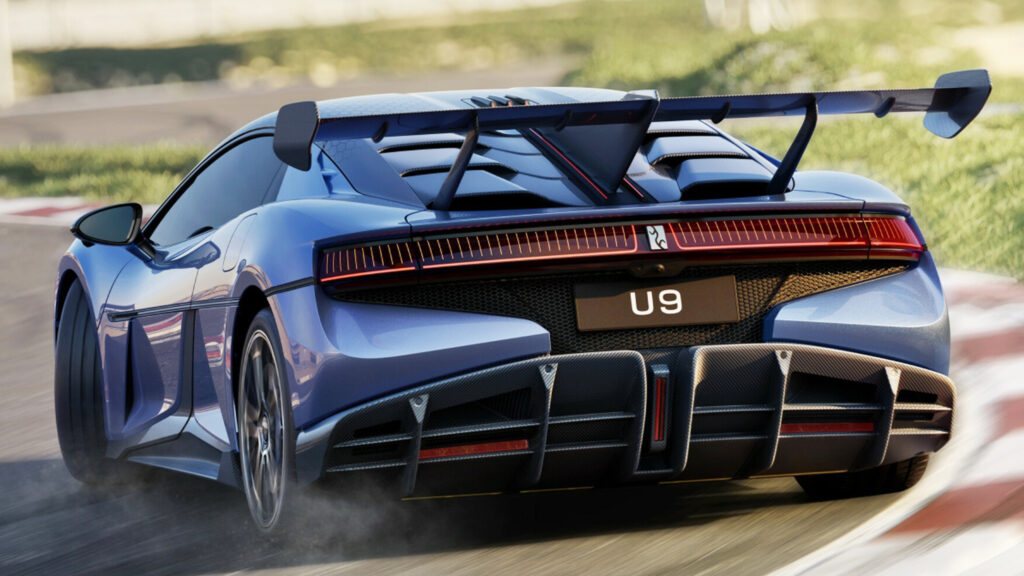
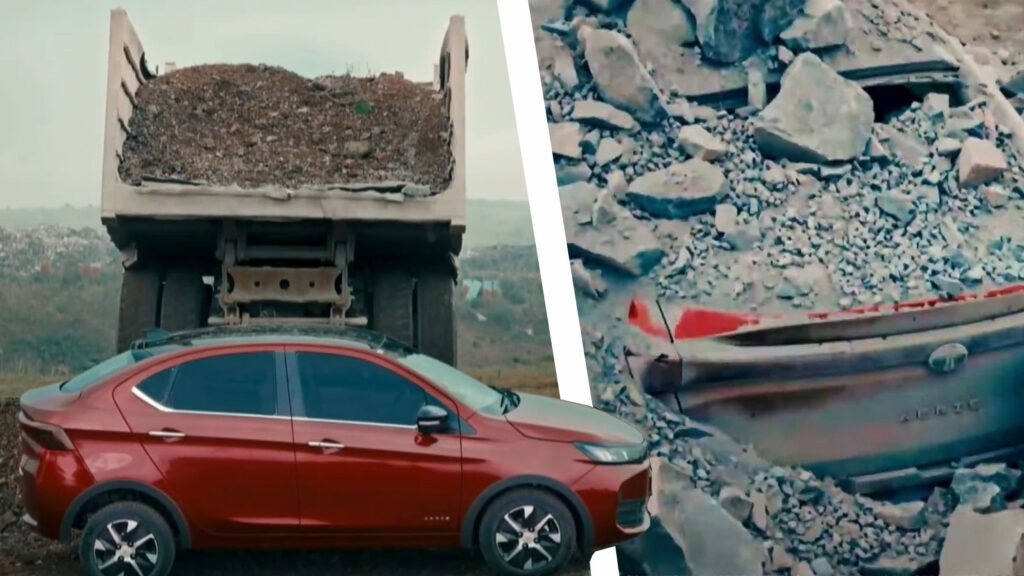
Tata Launches £4,300 Aeris Sedan With 20-Tonne Gravel Stunt
In this issue
Business 150
Tata Launches £4,300 Aeris Sedan With 20-Tonne Gravel Stunt
Culture 157
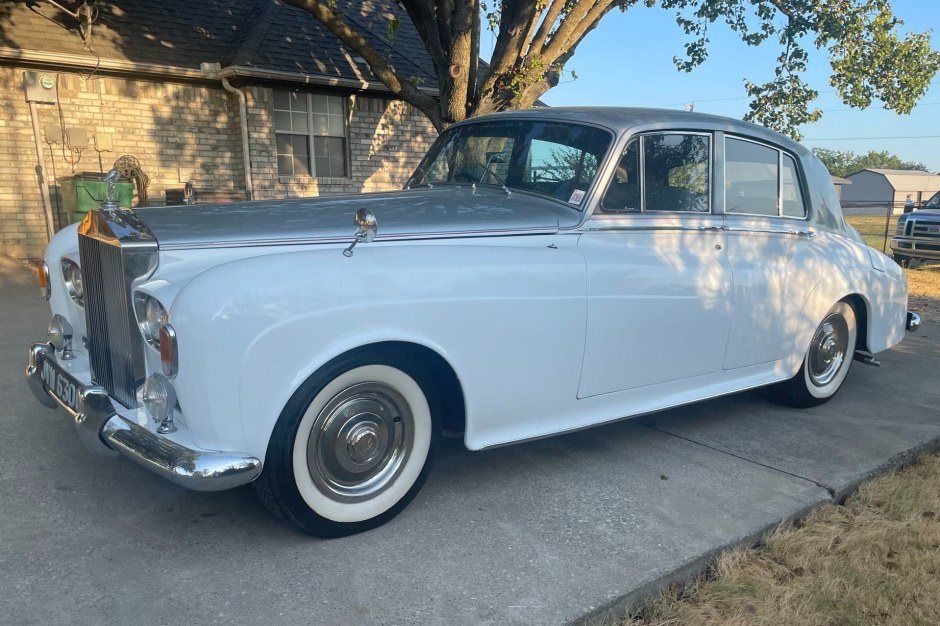
1965 Rolls-Royce Silver Cloud III Heads to Market After Decades of Single-Family …
Economy 33
Bitcoin and Ethereum Surge to Levels Last Seen in January
News 132
Sarandon and Einbinder arrested at anti-Netanyahu protest in New York
Politics 108
US Lawmakers Move to Permanently Ban Chinese Cars
Sports 246
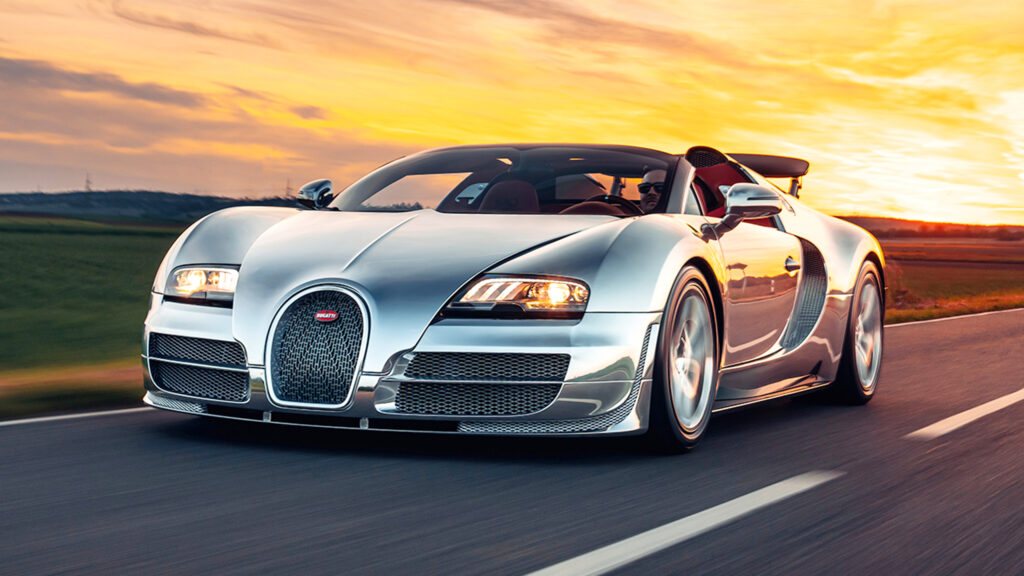
Alonso Buys Most Expensive Bugatti Veyron Ever Built
Technology 171
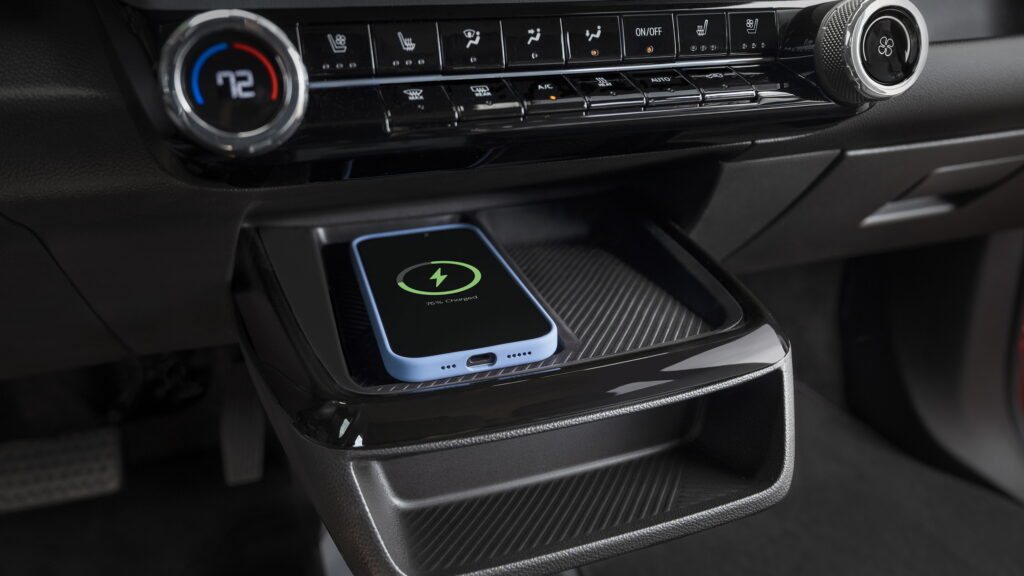
LexisNexis and IMS Bring Driving Scores to Insurer Apps Without Dongles
Republicans and Democrats show similar interest in buying electric vehicles, but generational differences — particularly among Boomers — are emerging as the real barrier to adoption.
By Edward Beaumont · 5 min read
Political affiliation is often assumed to be the main driver of electric vehicle acceptance, but new data suggests that age is a far more significant factor. According to an analysis of EV buying intent, Republicans and Democrats are surprisingly aligned in their willingness to purchase an electric car. The real obstacle, it appears, comes from the Baby Boomer generation.
The finding challenges the common narrative that EV adoption is a partisan issue. While policy debates around electric vehicles frequently split along party lines, consumer sentiment does not follow the same pattern. Buyers from both major political camps express comparable levels of interest in going electric, indicating that the barriers to adoption may be more practical and demographic than ideological.
Boomers, defined as the generation born between 1946 and 1964, show markedly lower intent to buy an EV compared with younger cohorts. This generational gap is now being identified as a critical challenge for an industry that has invested heavily in electrification. Automakers and charging networks have focused on political messaging and policy incentives, but the data suggests they may need to address the specific concerns and preferences of older consumers.
The reasons behind this generational divide are not fully detailed in the available data, but they likely stem from a combination of factors. Older buyers may be more accustomed to traditional internal combustion engine vehicles, may have concerns about charging infrastructure, or may be less comfortable with new technology. These are practical considerations that cut across political identities.
For the automotive industry, the implication is clear: winning over Boomers could be essential to achieving mass EV adoption. Younger generations already show higher openness to electric vehicles, but the sheer size of the Boomer demographic means that their purchasing decisions will significantly influence the pace of the transition. If this group remains hesitant, overall EV sales growth could stall.
The alignment between Republicans and Democrats on EV buying intent also suggests that political rhetoric may not be as influential as assumed. While electric vehicles have become a flashpoint in policy debates, consumers appear to be making decisions based on other factors. This could mean that efforts to promote EVs should focus less on partisan messaging and more on addressing the practical concerns of older drivers.
Charging infrastructure, for example, remains a common concern for potential EV buyers of all ages, but it may be particularly acute for older consumers who are less likely to use smartphone apps or plan routes around charging stations. Similarly, the perceived complexity of operating an electric vehicle could be a deterrent for those who have spent decades driving conventional cars.
Automakers have already begun to respond to generational preferences in other areas, such as vehicle design and features. But the data on EV buying intent suggests that a more targeted approach may be needed. Marketing campaigns that speak directly to Boomer concerns — such as reliability, ease of use, and long-term cost savings — could help bridge the gap.
The finding also has implications for policymakers. If the goal is to accelerate EV adoption, incentives and regulations may need to be paired with education and outreach efforts aimed at older consumers. Simply assuming that political affiliation determines EV interest could lead to misdirected strategies.
Ultimately, the electric vehicle transition is not just a matter of politics or technology. It is also a matter of demographics. As the automotive industry continues to invest in electrification, understanding the generational divide in buying intent will be crucial. The data shows that Republicans and Democrats are not so far apart on EVs. The bigger challenge lies with Boomers, and addressing their concerns may be the key to unlocking broader adoption.
8