
Business 148
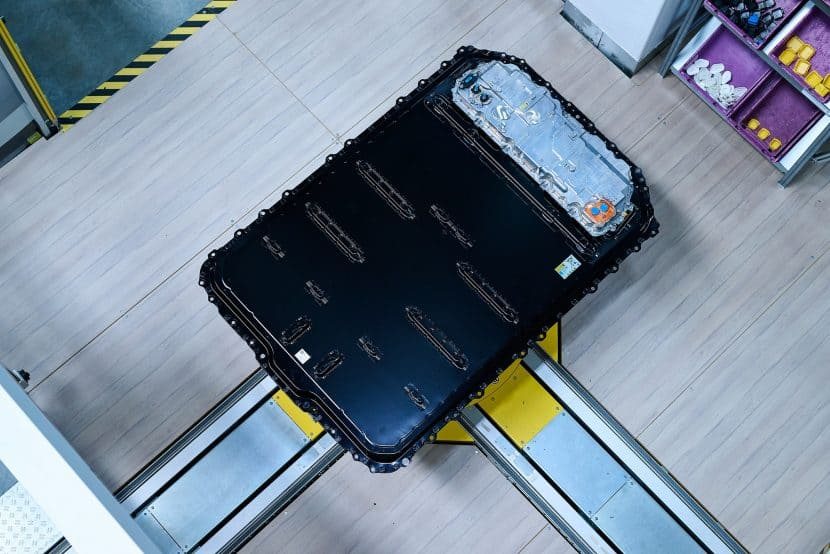
Tesla begins volume production of Semi electric truck at Nevada plant
In this issue
Business 148
Tesla begins volume production of Semi electric truck at Nevada plant
Culture 153
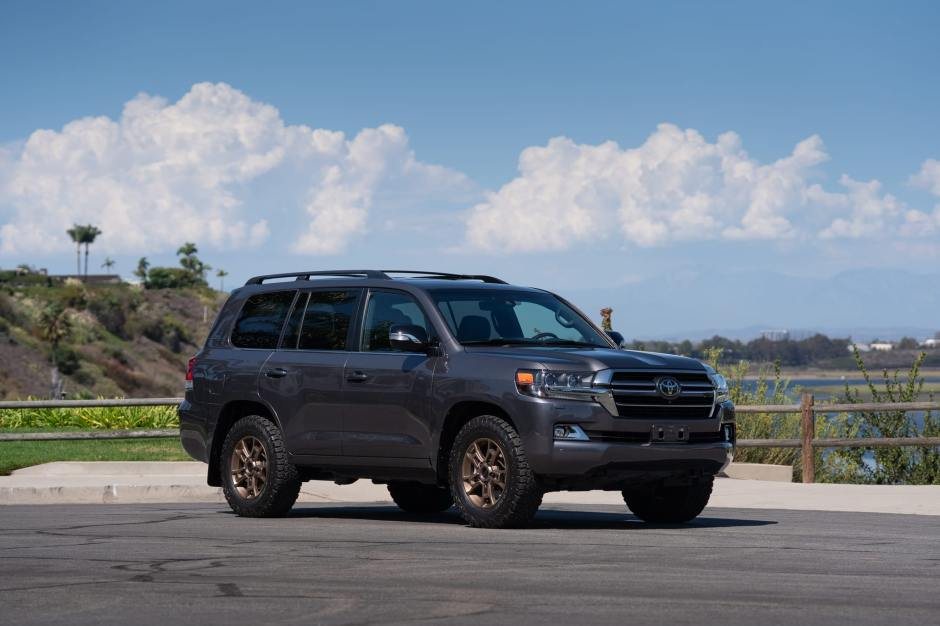
2021 Toyota Land Cruiser Heritage Edition Heads to Auction
Economy 33
Bitcoin and Ethereum Surge to Levels Last Seen in January
News 132
Sarandon and Einbinder arrested at anti-Netanyahu protest in New York
Politics 108
US Lawmakers Move to Permanently Ban Chinese Cars
Sports 246
Alonso Buys Most Expensive Bugatti Veyron Ever Built
Technology 170
BMW M4 CSL Production Ends at 1,036 Cars
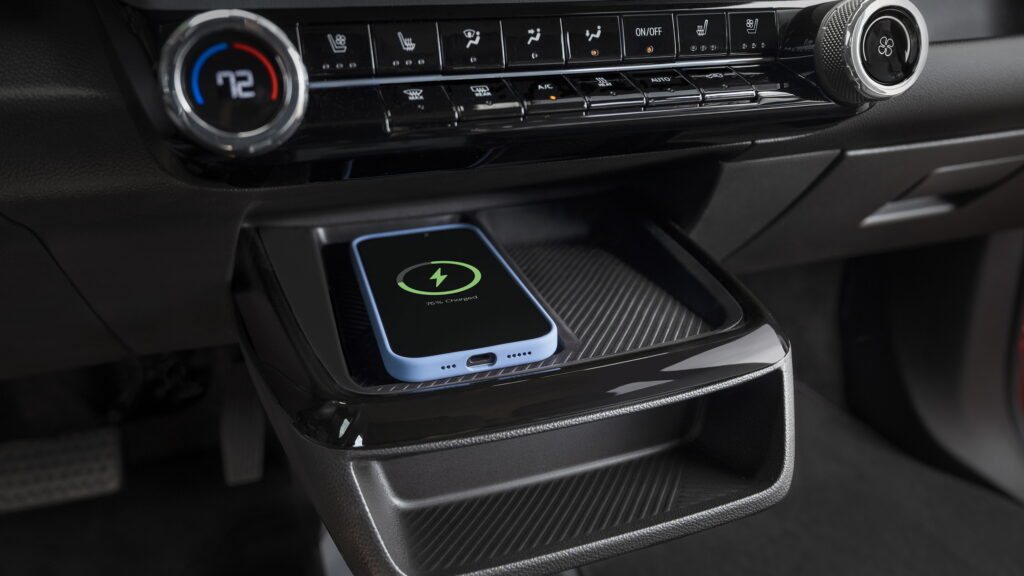
A new partnership between LexisNexis Risk Solutions and IMS allows insurers to score driving behaviour directly through their existing mobile apps, eliminating the need for OBDII dongles. The system processes data on the device, with only scores and attributes reaching insurers, potentially cutting programme costs by up to 80 percent.
By George Kensington · 4 min read
Insurers may soon be able to assess how you drive using nothing more than the app already on your phone, after LexisNexis Risk Solutions and IMS unveiled a partnership that embeds telematics scoring directly into existing mobile applications. The system removes the need for an OBDII dongle, the plug-in device that has traditionally captured vehicle data for usage-based insurance programmes.
The technology combines LexisNexis's Drive Metrics scoring model with IMS's EdgeSDK. Rather than transmitting every piece of raw driving behaviour to a cloud server, the phone calculates a score and related attributes on the device itself. Those results are then passed to the insurer to inform pricing and underwriting decisions. The companies say drivers must agree to participate, though neither has yet named an insurer that will launch this specific system.
For insurers, the financial appeal is considerable. LexisNexis claims the approach could reduce the operating expense of a usage-based insurance programme by 50 to 80 percent. For drivers, signing up may involve little more than enabling a feature in an app they already have. That ease of enrolment makes the consent screen particularly important, because the data involved can reveal far more than a simple mileage tally.
Existing programmes illustrate what phone-based telematics can measure. Allstate's app, for example, tells users that turning on optional features such as Drivewise means sharing precise location and driving data with Allstate and its affiliate Arity. The disclosure is present, but a driver tapping through setup in search of a discount may not grasp how much that information can expose or how it might affect their premium.
Previous reporting has shown the capabilities of phone sensors. Telematics apps used in an IIHS study could detect tapping or swiping, calls, and whether a phone screen was unlocked near the time of a crash. An unlocked screen alone does not prove that somebody was texting, or even that the phone's owner was driving. A separate report on Nationwide's SmartRide data showed the programme measuring screen taps during trips. These examples demonstrate what existing phone-based programmes can do rather than confirming what the new LexisNexis system will score.
LexisNexis has not specified which phone behaviours its new system scores, how it identifies a passenger, or exactly which attributes leave the device. The company says raw driving behaviour stays on the phone, with only scores reaching insurers. Even so, the combination of on-device processing and app-based enrolment raises questions about transparency and informed consent.
The partnership reflects a broader shift in insurance telematics, moving away from hardware installed in the vehicle and towards software that travels with the driver. That shift could widen participation by removing the friction of ordering and fitting a dongle, but it also places greater responsibility on consumers to understand what they are agreeing to when they tap a button during app setup.
What is not in question is that insurance apps are already scoring driving and affecting rates. Drivers who did not read the boxes they clicked may not even know it is happening. As the technology becomes more common, the consent screen may prove to be one of the most consequential documents a motorist never reads.
4