Business 186
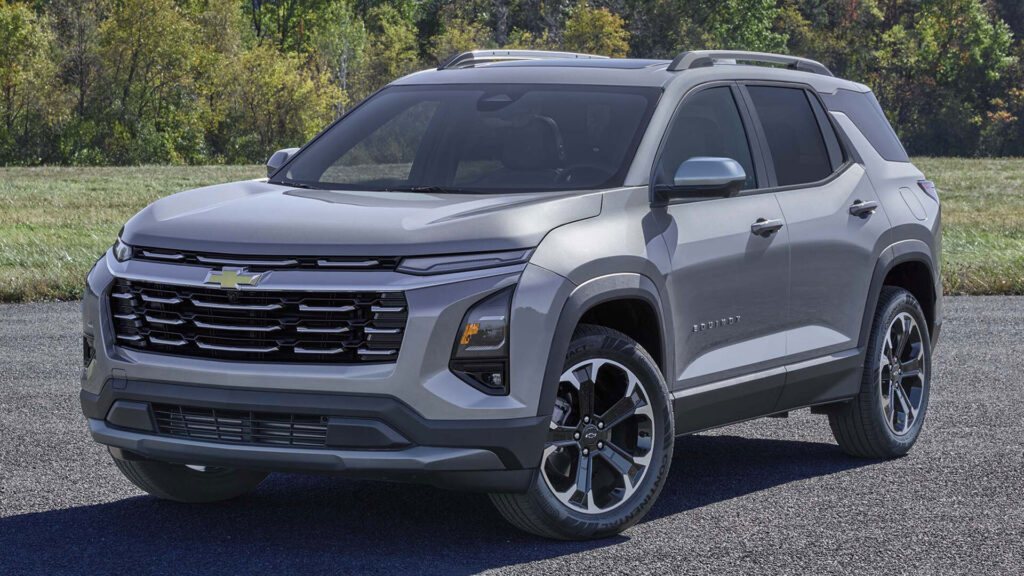
GM to launch plug-in hybrids with 70 miles of electric range
In this issue
Business 186
GM to launch plug-in hybrids with 70 miles of electric range
Culture 212
Léa Seydoux Says Next James Bond Must Be 'Layered'
Economy 36
G7 Agrees to Release 100 Million Barrels of Diesel and Crude Oil to Ease Price Su…
News 145
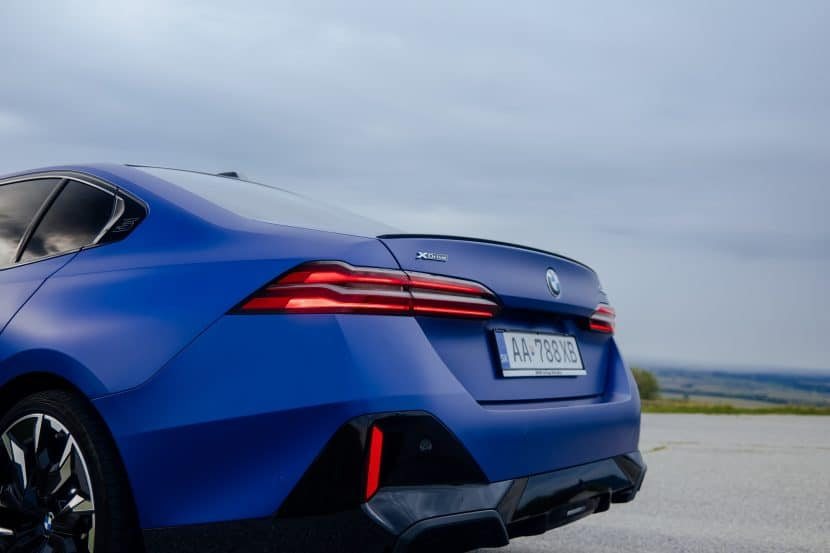
NSW Police Trials BMW 540d as Highway Patrol Car
Politics 110
Trump Urges Republicans to Vote by Mail After Years of Criticising the Practice
Sports 260
Falcons thrash Saints 45-24 as New Orleans marks 20 years since Katrina return
Technology 231
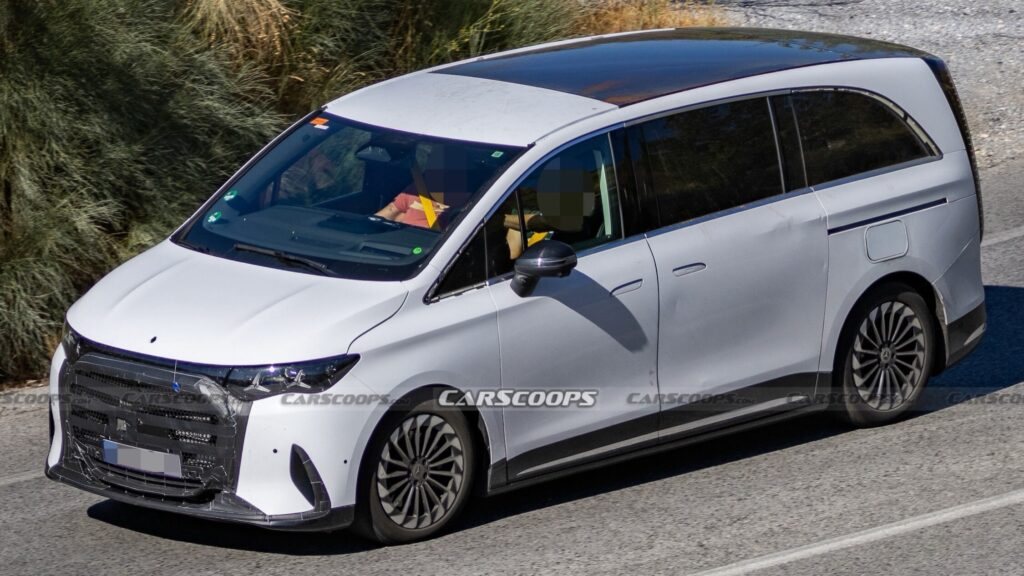
Mercedes VLE Minivan Spotted Testing Hybrid Powertrain
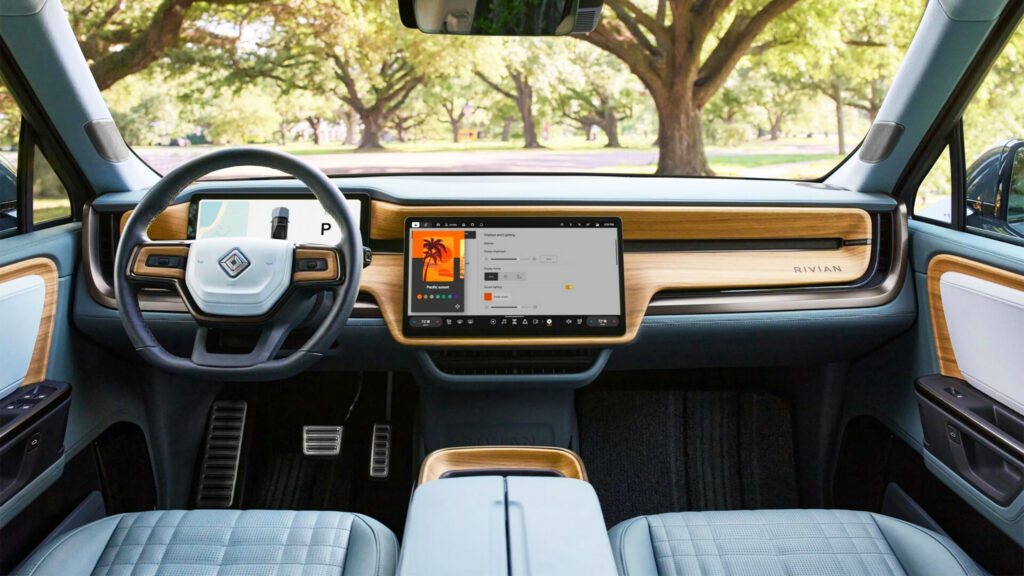
A survey of 1,350 UK motorists commissioned by dealership group Dick Lovett reveals that many advanced car safety and comfort features go unused, with 21.3 percent disabling automatic emergency braking and 25.9 percent never switching on adaptive cruise control.
By Charlotte Redford · 4 min read
A new survey of UK motorists suggests that a significant share of the advanced safety and convenience technology fitted to modern cars is going unused, with many drivers actively switching off systems designed to protect them. The research, commissioned by the large British dealership group Dick Lovett and carried out by Censuswide, polled 1,350 motorists during summer 2026 and found that 21.3 percent of owners disable automatic emergency braking outright, while 25.9 percent never switch on adaptive cruise control.
The pattern extends across the driver-assistance suite. Nearly 18 percent of respondents said they steer clear of lane-keeping assist, often complaining that such systems are too aggressive and cause more trouble than they prevent. Voice assistants go unused by 17.8 percent of owners, while 17.1 percent of those with augmented reality head-up displays refuse to turn them on, and a further 7 percent admit they would not know how to operate the technology if they wanted to.
Comfort features fare no better. Of those surveyed who own vehicles with massaging seats, just 22 percent say they use them regularly, and only 22.4 percent use AR head-up displays when fitted. Remote start functions are used regularly by just 24.5 percent of owners who have them. Many of these features are relatively uncommon to begin with: massaging seats are absent from 67.3 percent of respondents’ cars, 62 percent lack remote start, 60.5 percent go without an AR head-up display, and 57.3 percent have no app-controlled climate settings.
By contrast, more basic and easier-to-operate features enjoy far higher usage rates. The study found that 58.3 percent of buyers say they could not live without Bluetooth connectivity, 45.7 percent regularly use reversing cameras, 44.5 percent frequently use built-in satellite navigation, and 41 percent use heated windshields. One notable finding relates to driving modes: although almost all new cars come with them, just 27.3 percent of respondents say they regularly change their vehicle’s driving mode, with those aged 25 to 34 more likely to do so at 38.3 percent.
Age appears to shape which technologies get touched. Bluetooth is a habit for 68.5 percent of 25- to 34-year-olds and 68.8 percent of the 35-to-44 bracket, against 49.7 percent of drivers aged 55 and over. Wireless charging splits the field even more sharply, at 44.4 percent among 35- to 44-year-olds versus 20.7 percent of the over-55s. Remote start drops from more than a quarter of motorists under 35 to just 5.1 percent past 55. Heated windshields buck that pattern, with usage rising from 27.2 percent among 18- to 24-year-olds to almost 45 percent for drivers aged 45 to 54.
The findings suggest that many consumers are paying for equipment nobody showed them how to work, and a decent share have decided it is not worth the trouble. Driver aids will remain in cars regardless, since regulators mandate much of that hardware, but the comfort kit is fair game for cost-cutting. Dick Lovett motoring expert Alex Lee said that taking time to learn what a vehicle can do is not just about getting value for money: it could also help improve safety, comfort and the overall driving experience.
58