Business 202
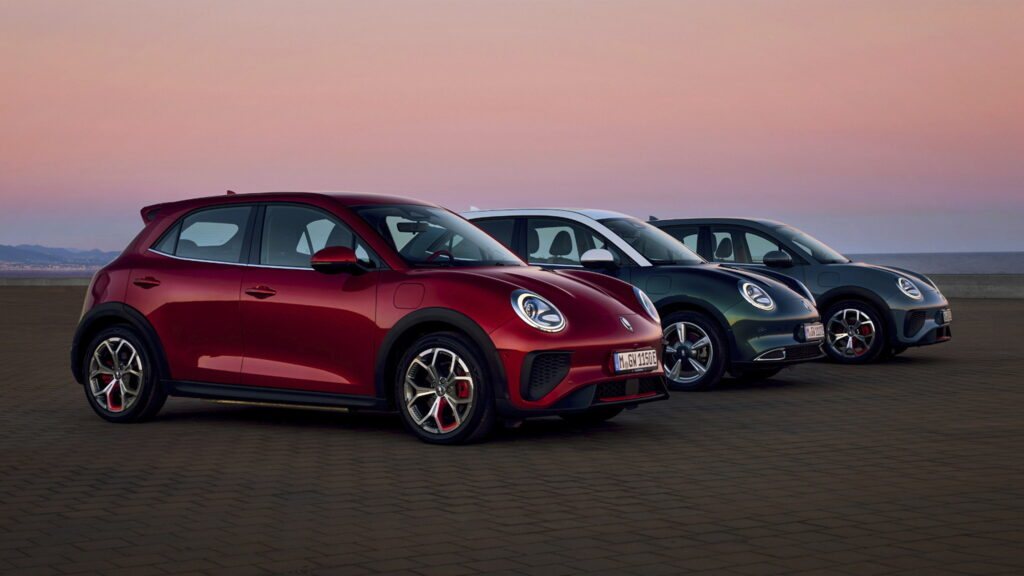
Geely Confirms Canadian Launch for 2027
In this issue
Business 202
Geely Confirms Canadian Launch for 2027
Culture 219
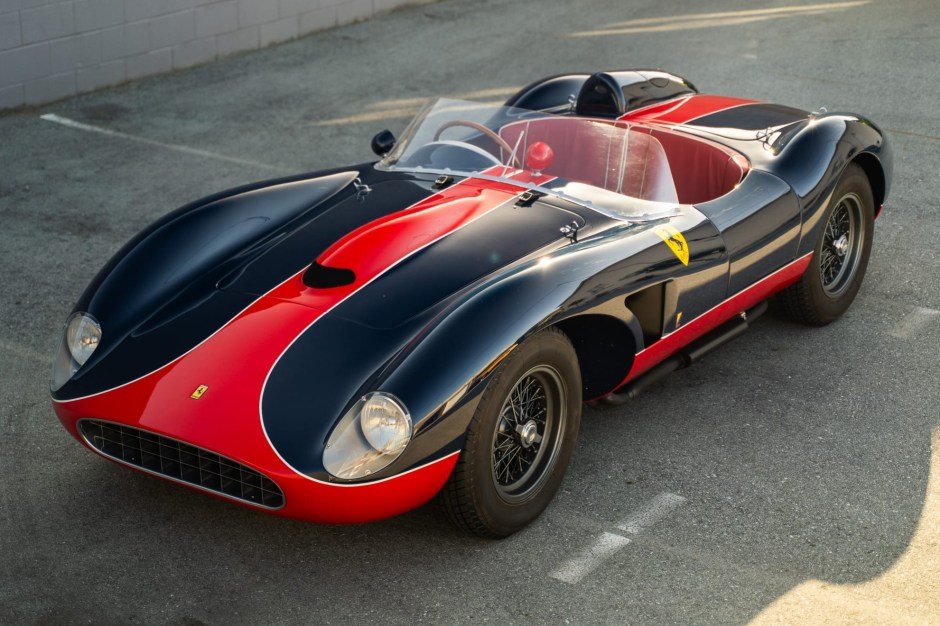
DK Engineering 1980s Ferrari 250 Testa Rossa Re-Creation Heads to Auction
Economy 37
Russia's EV Share Overtakes US as Fuel Shortages Bite
News 149
Weekly Exercise Linked to Slower Memory and Movement Decline in Parkinson's Patie…
Politics 110
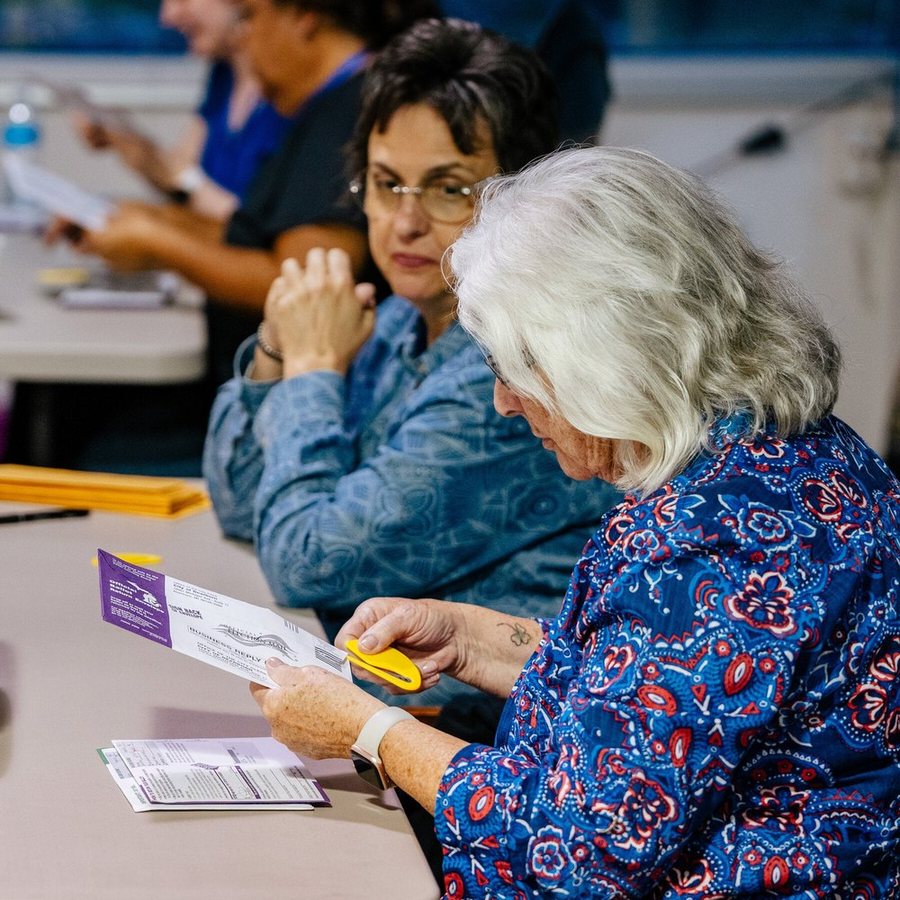
Trump Urges Republicans to Vote by Mail After Years of Criticising the Practice
Sports 264
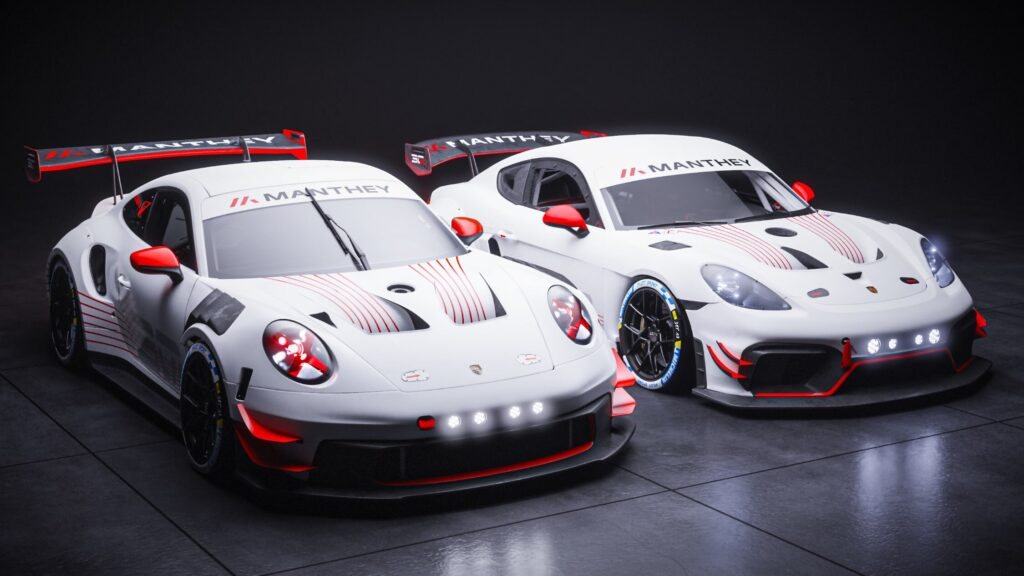
Manthey Marks 30 Years With 30 Special Track Porsches
Technology 256
Angelelli Automobili Previews Tipo 829 Supercar in Three Forms
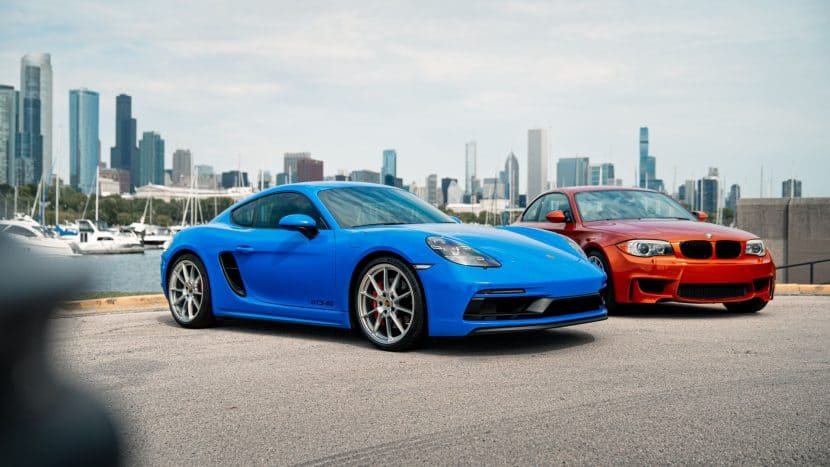
Porsche will begin production of its electric 718 Boxster and Cayman in 2027, with an innovative battery layout that places the pack where the combustion engine once sat. BMW has not announced a direct rival, leaving a gap in the electric two-door sports car segment.
By Charlotte Redford · 4 min read
Porsche is pressing ahead with plans to launch an electric version of its 718 sports car, with production scheduled to begin in 2027. The German marque has confirmed that the next-generation Boxster and Cayman will be electric-only, abandoning earlier proposals to retain combustion engines in the two-door models. The decision marks a significant commitment to electrification even as the company reassesses its broader EV strategy.
At the heart of the new 718 EV is an innovative battery concept designed to preserve the mid-engine character that has defined the Boxster and Cayman for decades. Rather than placing the battery pack in the floor, as is typical in most electric vehicles, Porsche will mount it in the space traditionally occupied by the combustion engine. The pack consists of three modules arranged across two levels, delivering a 44.8:55.2 front-to-rear weight distribution. According to Robert Meier, Porsche’s vice president of vehicle architecture and characteristics, this layout also lowers the centre of gravity and allows for a lower seating position, which the company says will provide an authentic sports car feeling.
Porsche CEO Michael Leiters admitted he was initially sceptical about the project when he joined the company in January. Speaking at the firm’s Capital Markets Day, he said he «was very, very skeptical about this vehicle» before getting behind the wheel for the first time. His doubts disappeared after that first drive, and he now champions the model as a true Porsche sports car.
The electric 718 is expected to launch next year, with 2028 marking its first full year of production. The 911 will continue to serve as Porsche’s combustion-engined sports car, with Leiters promising that the iconic coupe will never go fully electric. That leaves the 718 EV as the brand’s sole electric two-door offering.
BMW, meanwhile, has not announced a direct rival to the electric Boxster and Cayman. The Munich-based manufacturer is investing heavily in electric vehicles through its Neue Klasse platform, which will underpin a next-generation electric M3 and an i3 Touring in 2027. An entry-level compact model for Europe, potentially called the i1, is expected in 2028. However, none of these announced products directly challenge Porsche’s mid-engine electric sports cars.
Spy shots of what could be an electric i4 Convertible have offered some hope that BMW might eventually enter the two-door EV segment, but even if that model reaches production, the company has not indicated it would be a direct rival to the 718. An electric i4 Coupe seems plausible, but M Performance and full-fat M versions are likely still years away. For now, BMW’s electric offensive centres on sedans and SUVs, leaving a notable gap for a company with a long history of building driver-focused coupes and roadsters.
Weight remains the biggest engineering challenge for Porsche. Relocating the battery preserves the 718’s mid-engine balance, but it does not eliminate the weight penalty of electrification. It is unclear how Zuffenhausen will keep the Boxster and Cayman light enough to deliver the agility expected of a sports car without extensive carbon-fibre construction, which would push prices higher. A smaller battery could trim some kilos but at the expense of range. Porsche will have to strike a delicate balance between weight, driving dynamics and efficiency, and it remains to be seen how well the engineers can pull it off.
While Porsche is taking the risk on electric sports cars, BMW is keeping its cards close to its chest. The Bavarian rival could still surprise the industry, but for now, the electric 718 stands alone in the segment.
8