Business 166
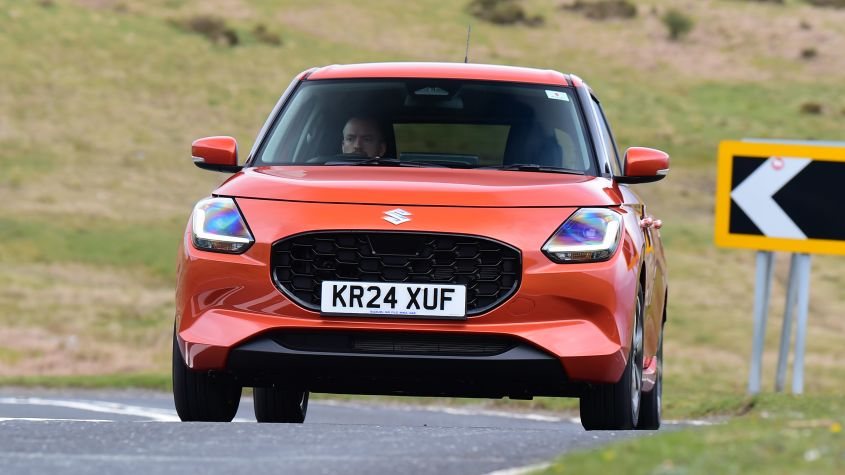
Suzuki Cuts Prices Across UK Range With Savings Up to £5,300
In this issue
Business 166
Suzuki Cuts Prices Across UK Range With Savings Up to £5,300
Culture 191
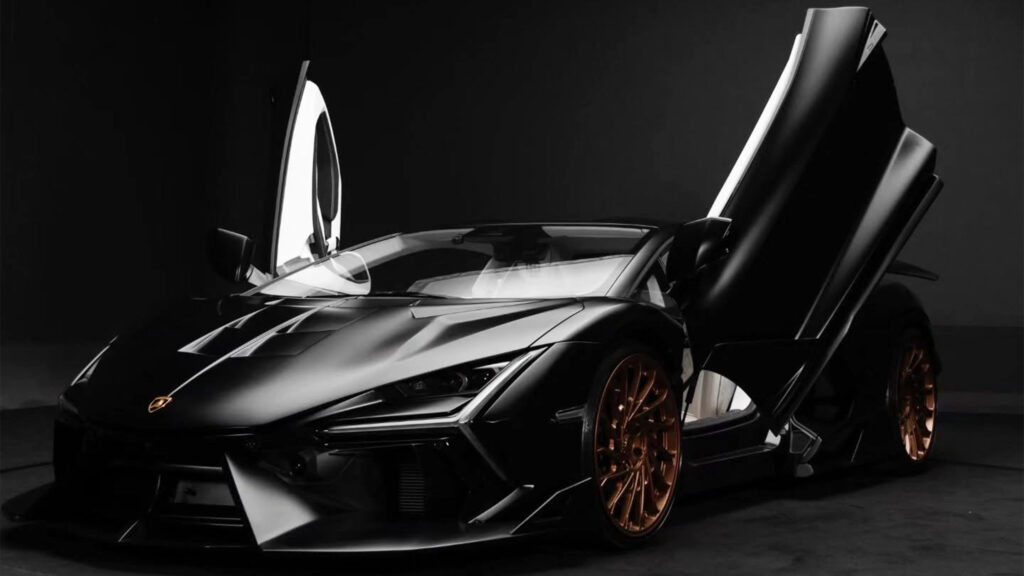
Venuum Unveils Voltoro V1 Body Kit for Lamborghini Revuelto
Economy 35
US Weighs Wider Red-Dyed Diesel Sales to Cut Record Fuel Prices
News 142
Captain Thanks Rescuers After 17 Crew Winched From Grounded Fishing Vessel Off Or…
Politics 109
Mahmood Opens New Legal Refugee Routes in Labour Conference Speech
Sports 254
Ford returns to World Rally Championship in 2028 with M-Sport
Technology 210
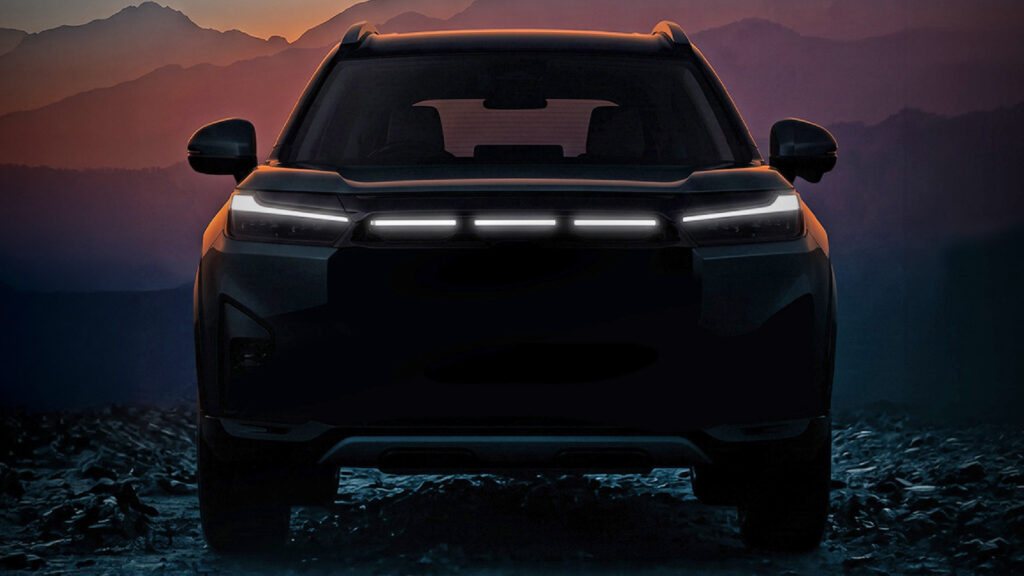
Honda Teases Facelifted Elevate SUV Ahead of October 6 Debut
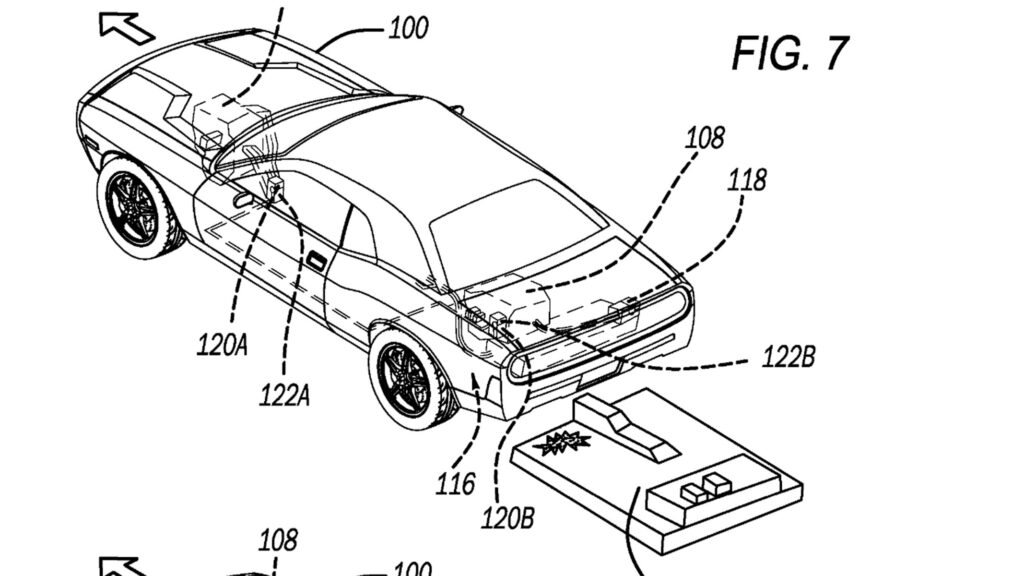
A newly published patent from FCA US, part of Stellantis, describes a system that physically disconnects an electric vehicle's high-voltage battery during a thermal event, allowing the car to drive away on its 12-volt battery.
By George Kensington · 4 min read
Stellantis has patented a system that allows an electric vehicle to physically disconnect and discard its high-voltage battery during a fire or overheating event, then use its low-voltage battery to drive away from the abandoned pack. The patent, titled «High-Voltage Battery Quick Release System For Vehicle», was published by the United States Patent and Trademark Office on September 17 and lists FCA US as both applicant and assignee.
The document describes a response to situations where a high-voltage battery overheats, becomes damaged, or otherwise creates a thermal event — a safety issue that has appeared repeatedly in real-world electric vehicle incidents. Rather than attempting to cool the battery, the Stellantis system separates it from the vehicle entirely.
According to the patent, the process begins when a driver, passenger, first responder, or another individual activates a quick-release switch. The vehicle then electrically and physically decouples the high-voltage battery from the car. The decoupler could use several methods to separate the pack, including frame sections that slide apart or, more dramatically, pyrotechnic features.
Stellantis envisions more than one release switch. One could be located inside the cabin while another could be mounted in the trunk, allowing someone outside the vehicle to trigger the system. The switches themselves could take the form of a lever, a physical button, a touchscreen control, or a toggle.
The apparent paradox of driving away without a high-voltage battery is resolved by the vehicle's 12-volt battery. According to the patent, this smaller battery would provide enough power to move the car a predetermined distance away from the potentially burning pack. The patent specifically describes a controller commanding the motor to propel the vehicle after the high-voltage battery has been decoupled.
The idea echoes a similar-sounding concept demonstrated by a Chinese research centre about a year ago, suggesting that the approach of jettisoning a compromised battery rather than fighting the thermal event is gaining attention among manufacturers.
Several questions remain unanswered. Stellantis does not specify how far the vehicle might travel on its 12-volt battery, though the distance is likely to be closer to a few hundred feet than a few miles. It is also unclear how serious the company is about putting the system into production. The patent states that it could work in all types of vehicles, which suggests the concept is more than a theoretical exercise, but no timeline or production commitment has been announced.
The patent adds to a growing body of intellectual property focused on electric vehicle safety. Battery fires are difficult to extinguish and can reignite hours after they appear to be out, making them a particular concern for occupants, emergency services, and vehicle manufacturers. A system that removes the energy source from the vehicle could reduce the risk to those inside and nearby, while also potentially saving the car itself.
Whether the quick-release system ever reaches showrooms is another matter. Patents frequently describe technologies that never enter production, and the dramatic nature of a pyrotechnic battery release raises engineering, regulatory, and liability questions that would need to be resolved. For now, the document offers a glimpse of how Stellantis is thinking about the worst-case scenarios of electric motoring.
4