Business 112
Kia EV9 Discounts Reach $16,000 as Sales Fall 33%
In this issue
Business 112
Kia EV9 Discounts Reach $16,000 as Sales Fall 33%
Culture 89
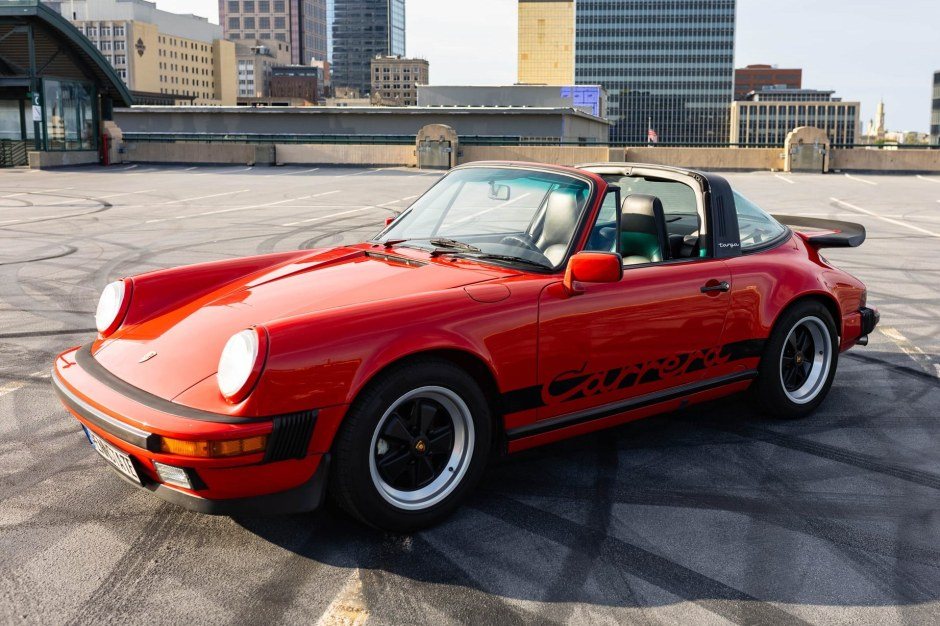
1988 Porsche 911 Carrera Targa G50 with Rebuilt Engine Heads to Auction
Economy 30
HMRC is writing to low earners about pension top-ups averaging about £70
News 124
Aftermarket Trackers Recover 99% of Stolen Cars as Factory Systems Fail
Politics 105
Reform UK's Welsh Leader Dan Thomas Resigns After Arrest on Suspicion of Assault
Sports 231
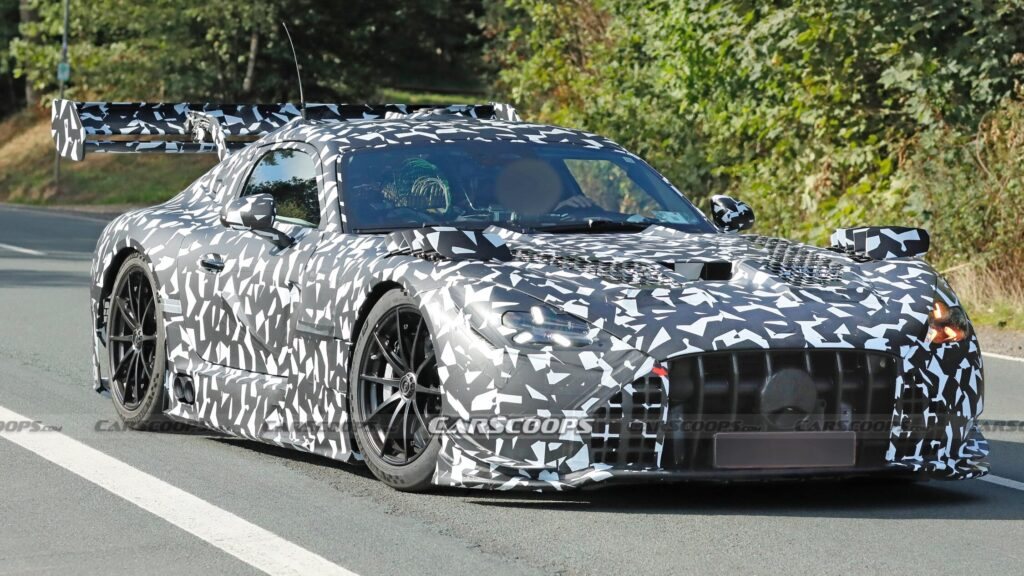
AMG GT Black Series Spied With Radical Aero Ahead of Nürburgring Record Attempt
Technology 119
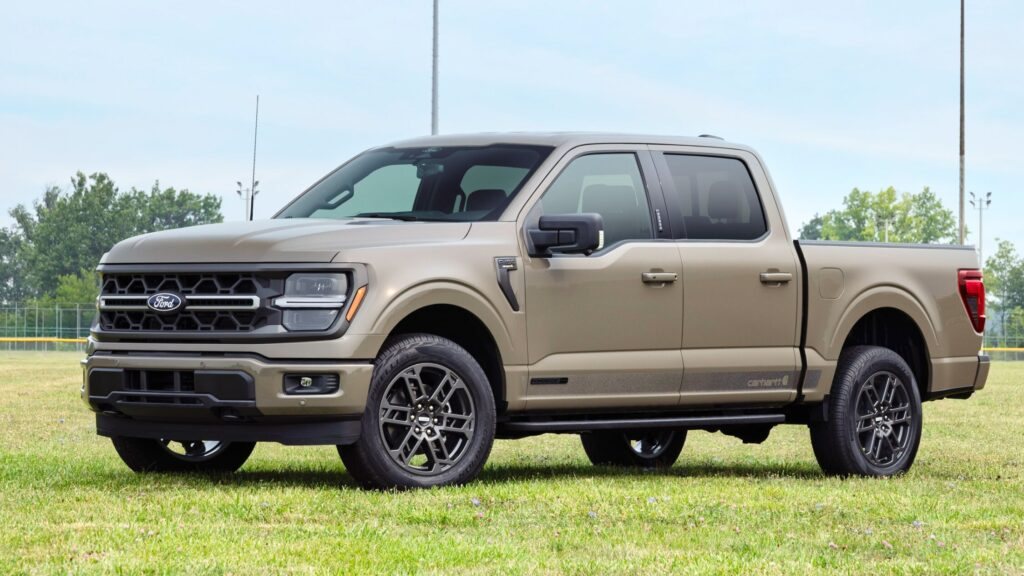
Ford Updates F-150 for 2027 with New Engine and Hands-Free Towing
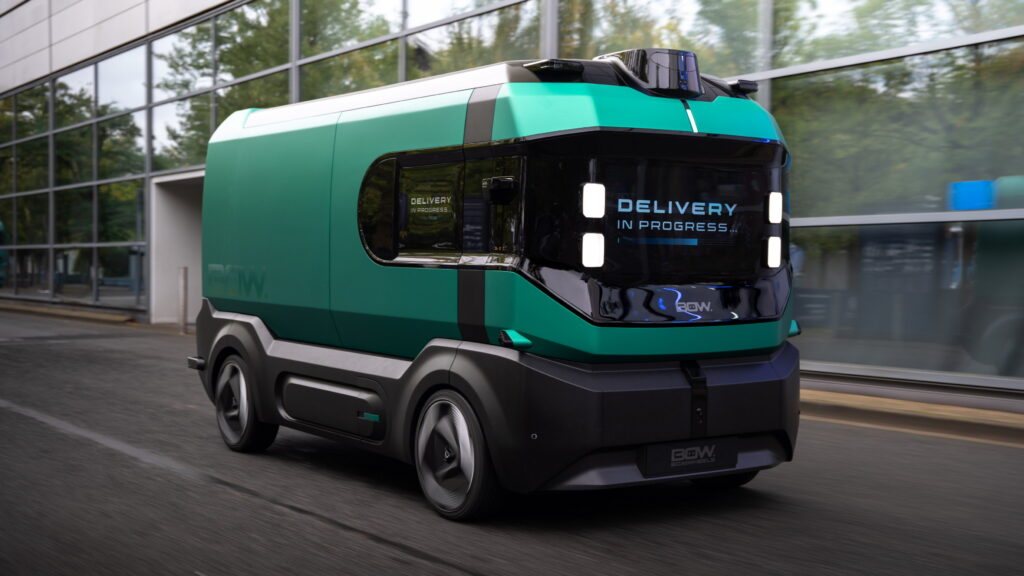
Stellantis has revealed the BOW, a fully electric autonomous urban delivery concept developed with China's UQI Robotics, at the IAA Transportation show in Hanover. The vehicle has no cab, no driver and no published specifications, with validation work set to begin in Europe.
By George Kensington · 3 min read
Stellantis has unveiled a fully electric autonomous delivery concept called BOW, a vehicle with no driver, no cab, no windshield and no dashboard, at the IAA Transportation show in Hanover, Germany. The name stands for Box On Wheels, and the machine looks exactly like that: a rolling parcel locker designed to carry goods rather than people.
The concept was developed in partnership with UQI Robotics, a China-based robotics company. Stellantis also staged live demonstrations of the vehicle outside its stand at the Hanover exhibition, where it is being used to explore what autonomous logistics could look like in cities, low-emission zones and controlled environments such as factories, hospitals and airports.
The logic behind BOW is straightforward. A conventional delivery van devotes a substantial share of its footprint to a driver, their controls and the machinery needed to make the vehicle comfortable and legal for a human to operate. A purpose-built autonomous box could theoretically dedicate more of that space to cargo while operating as part of a connected fleet. That is the theory, at least.
What Stellantis has not revealed is how it plans to take BOW onto public roads. There is no battery capacity, range, payload, motor output, sensor list, autonomy level, price, pilot customer or production target. The company describes BOW as a concept and says initial validation activities will take place in Europe. Anything beyond that remains firmly in the «we'll see» column.
The general idea of a box on wheels delivering goods is already in circulation and, in small ways, already in the wild. Small sidewalk-based robots currently deliver food and other items to people in urban environments. Stellantis is attempting to scale that principle up to a road-going vehicle, though the technical and regulatory path to public streets remains undefined.
BOW matters less for what it is today than for what it signals about Stellantis's direction. The company does not simply plan to sell vans from its portfolio of brands. It sees a future business in which a box on wheels is little more than exactly that, with a great deal of software on board instead of a human delivery driver.
That vision places Stellantis alongside a growing field of manufacturers and technology firms exploring autonomous delivery. The commercial case rests on removing the cost and constraints of human drivers while increasing cargo capacity per vehicle. The unresolved questions are the same ones facing the wider autonomous sector: technical readiness, regulation, insurance and public acceptance.
For now, BOW remains a concept with no specifications and no production timeline. Its debut at IAA Transportation is a statement of intent rather than a product launch, and the validation work in Europe will be the first real test of whether the box on wheels can move from the exhibition hall to the road.