
Business 199
Honda Elevate Facelift Brings Rugged Styling and Ventilated Seats to India
In this issue
Business 199
Honda Elevate Facelift Brings Rugged Styling and Ventilated Seats to India
Culture 216
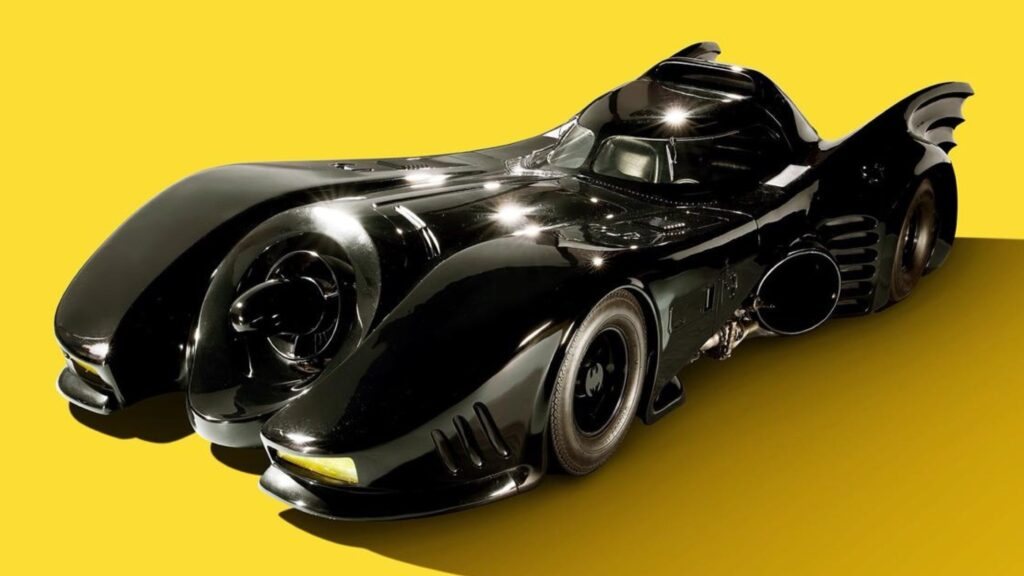
Batmobile from Batman Returns heads to auction with $7m estimate
Economy 37
Russia's EV Share Overtakes US as Fuel Shortages Bite
News 148
California Grants Three-Day Return Right on Used Cars
Politics 110
Trump Urges Republicans to Vote by Mail After Years of Criticising the Practice
Sports 262
West Ham United to Host Queens Park Rangers in October 2026 Championship Fixture
Technology 250
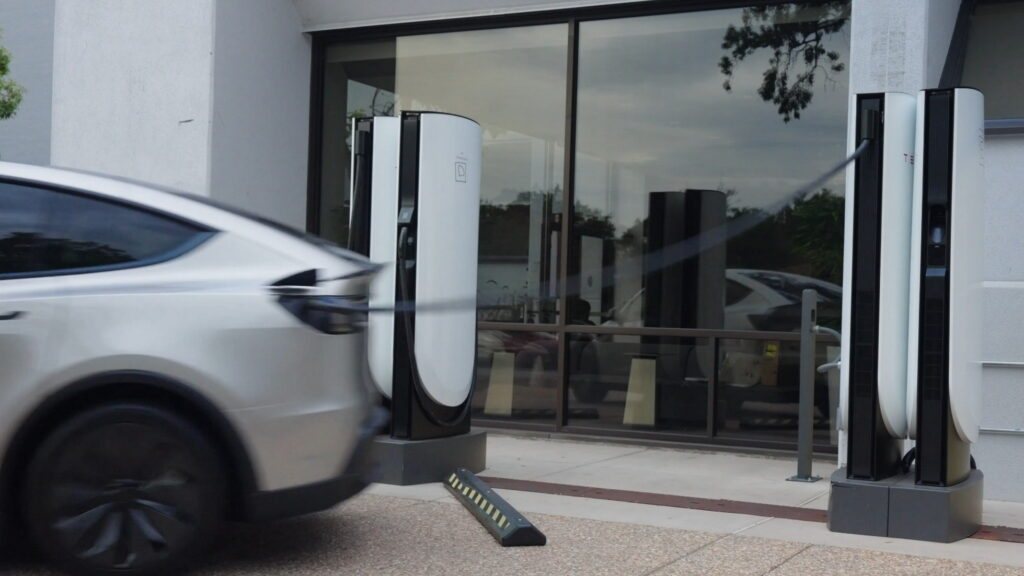
Tesla Adds Emergency Drive Away Feature That Lets Cars Leave While Plugged In
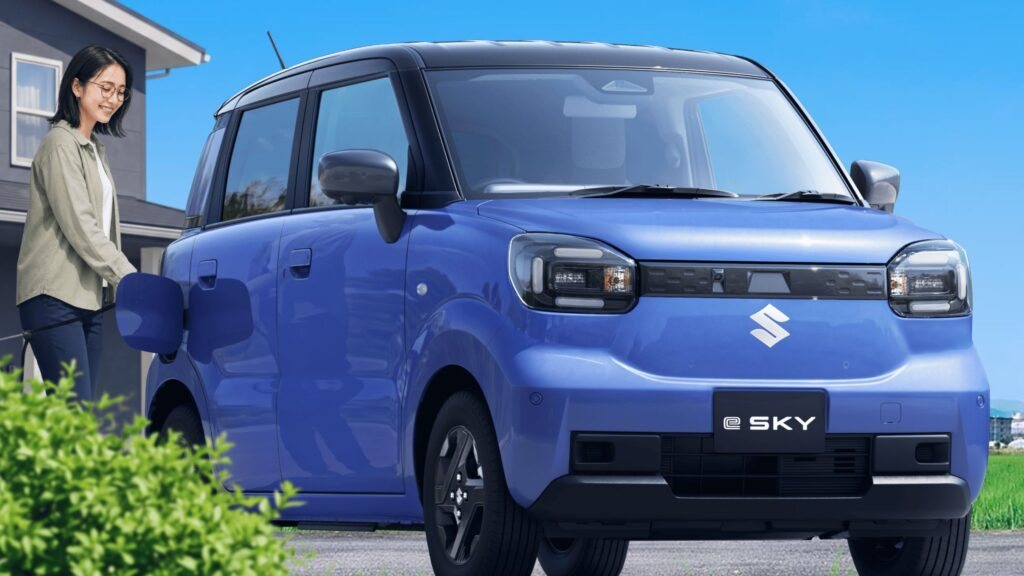
Suzuki has unveiled the production version of its e-Sky electric city car, a Kei-class model due in the UK next spring with a sub-£20,000 price tag and a reported 193-mile range.
By Edward Beaumont · 3 min read
Suzuki has taken the wraps off the e-Sky, its new electric city car that will arrive in the UK next year as a direct rival to the Renault Twingo and Honda Super-N. The boxy hatchback, which follows the Japanese Kei car formula of maximising passenger space within strict size limits, is expected to start at under £20,000 — roughly the same money as the combustion-engined Suzuki Swift supermini.
The production model closely mirrors the Vision e-Sky concept shown at last year’s Tokyo motor show, with the most notable changes being a switch from futuristic LED lighting to a chunkier, more conventional front-end set-up. The illuminated grille has given way to a black trim piece, while the revised Suzuki emblem sits on a sculpted nose with a single cooling intake in the bumper. At the rear, the EV gains bulkier LED taillights, a visible tailgate handle and body-coloured cladding on the bumper.
Technical specifications remain under wraps until autumn, but Japanese media reports suggest the e-Sky uses a single front-mounted motor with an output of 63bhp — the maximum permitted for Kei cars — and a 26kWh lithium iron phosphate battery mounted under the floor. The targeted range is 310km (193 miles), which would put the e-Sky comfortably ahead of the rival Honda Super-N’s 128-mile figure. It should be noted, however, that the Super-N is not actually a Kei car: it is based on the Honda N-One e but modified for export markets with a more powerful 94bhp motor and a wider, more aggressive body.
The e-Sky rides on the Heartect e architecture, designed for urban EVs, and features a 10.1-inch infotainment display, a digital instrument cluster, a traditional gear shifter and a dedicated climate control panel. Other equipment includes heated seats and steering wheel, an electronic parking brake, and a heat pump paired with an electric air heater for efficiency in colder conditions. As with most Kei cars, the cabin is a four-seater with a small boot.
Suzuki UK boss David Kateley has previously described the A-segment battery electric vehicle as “vitally important” and said he was “very excited about its prospects”. The e-Sky’s arrival next spring will provide the Japanese brand with a useful boost toward qualifying for the UK’s zero-emissions vehicle mandate. It will be followed a year later by Suzuki’s third EV, which Kateley said “definitely won’t be an electric Swift”.
The e-Sky goes on sale in Japan this autumn, with mainland Europe and the UK expected to follow in 2027. It is Suzuki’s first entry in Japan’s fast-growing light passenger EV segment and its third production EV overall, arriving behind the e Vitara subcompact SUV and the e Every kei van. It remains to be seen whether Suzuki will follow Honda in localising the e-Sky with extra power to suit UK buyers, but the model is expected to form a crucial part of the brand’s future plans in Britain.
55