Business 213
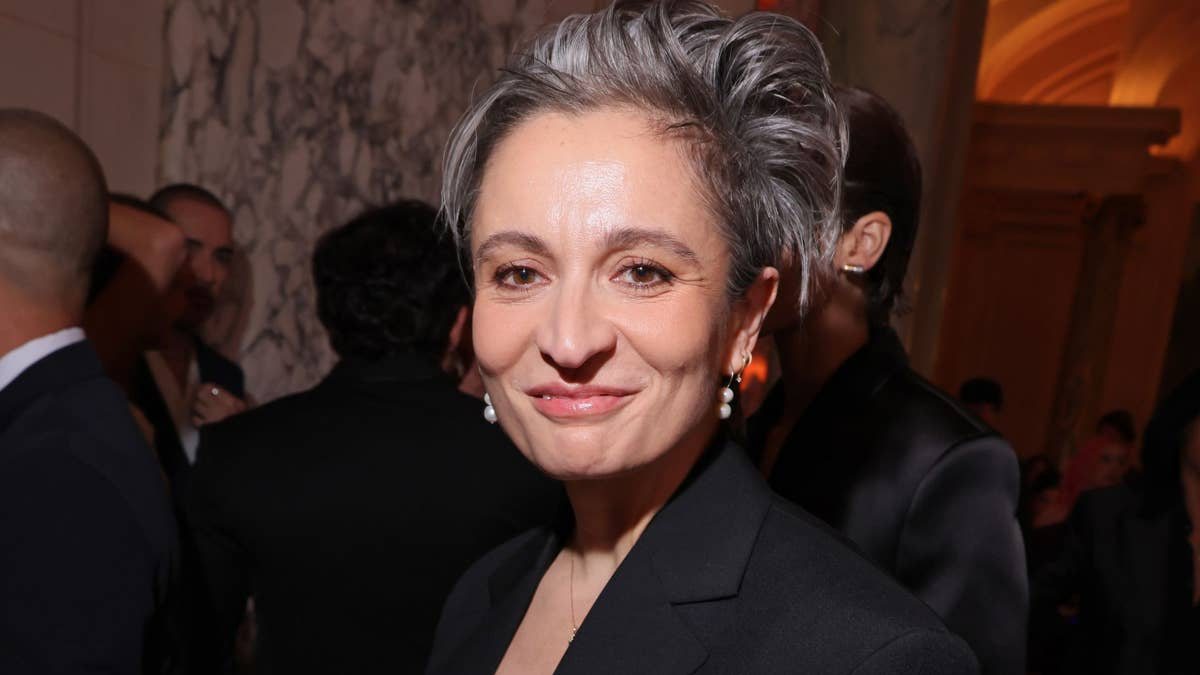
Veronica Leoni Exits Calvin Klein as Creative Director
In this issue
Business 213
Veronica Leoni Exits Calvin Klein as Creative Director
Culture 256
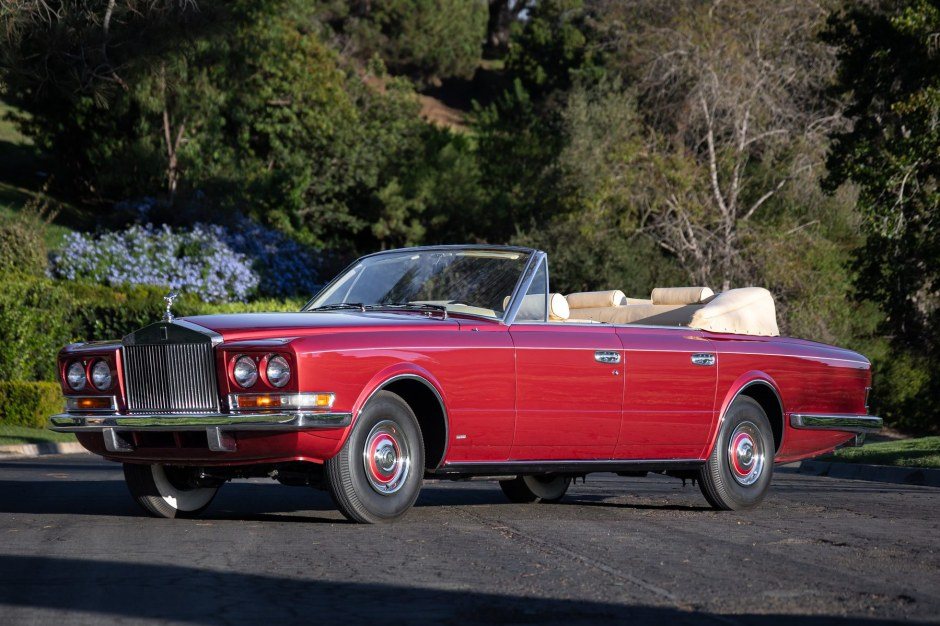
Frua-Bodied 1971 Rolls-Royce Phantom VI Heads to Auction After Pebble Beach Outing
Economy 40
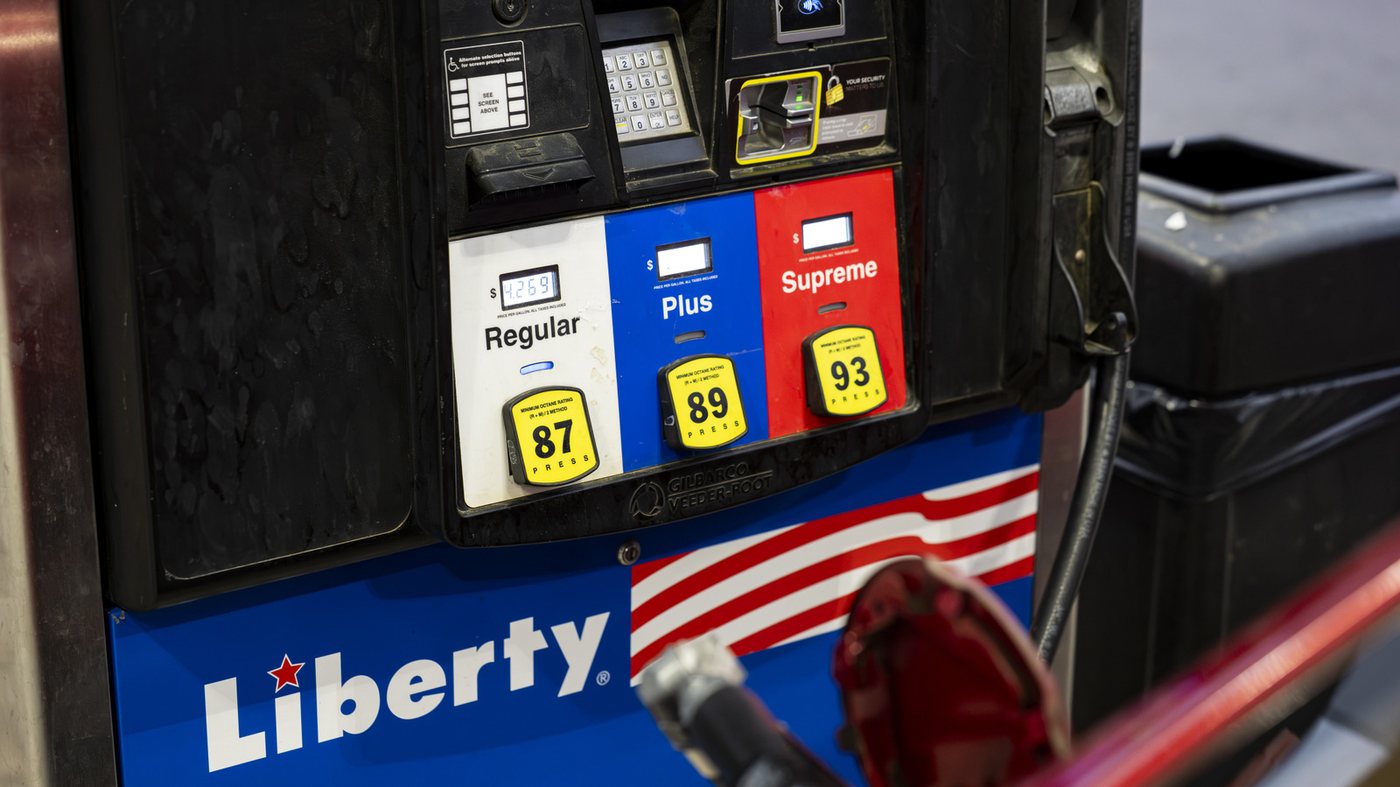
US Petrol Prices Set Record for Longest Stretch Above $4 a Gallon
News 151
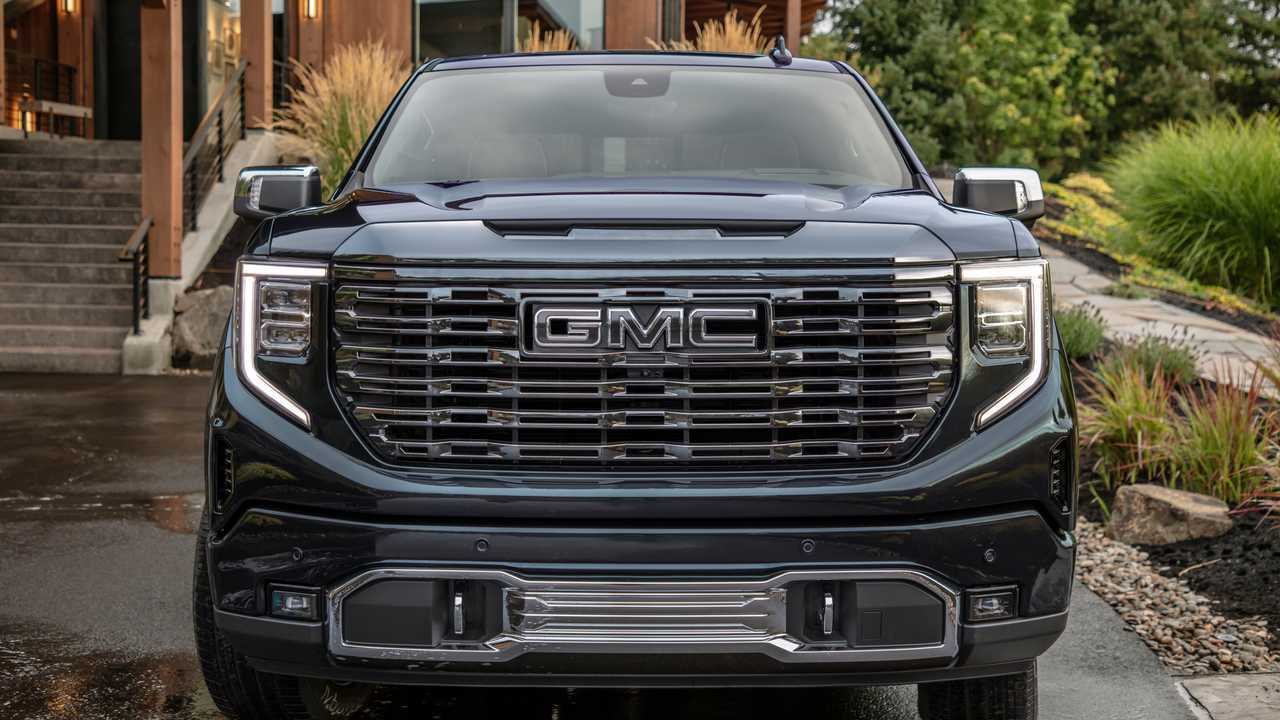
US Safety Agency Investigates 535,000 GMC Sierra Trucks Over Grille Deflector Fau…
Politics 113
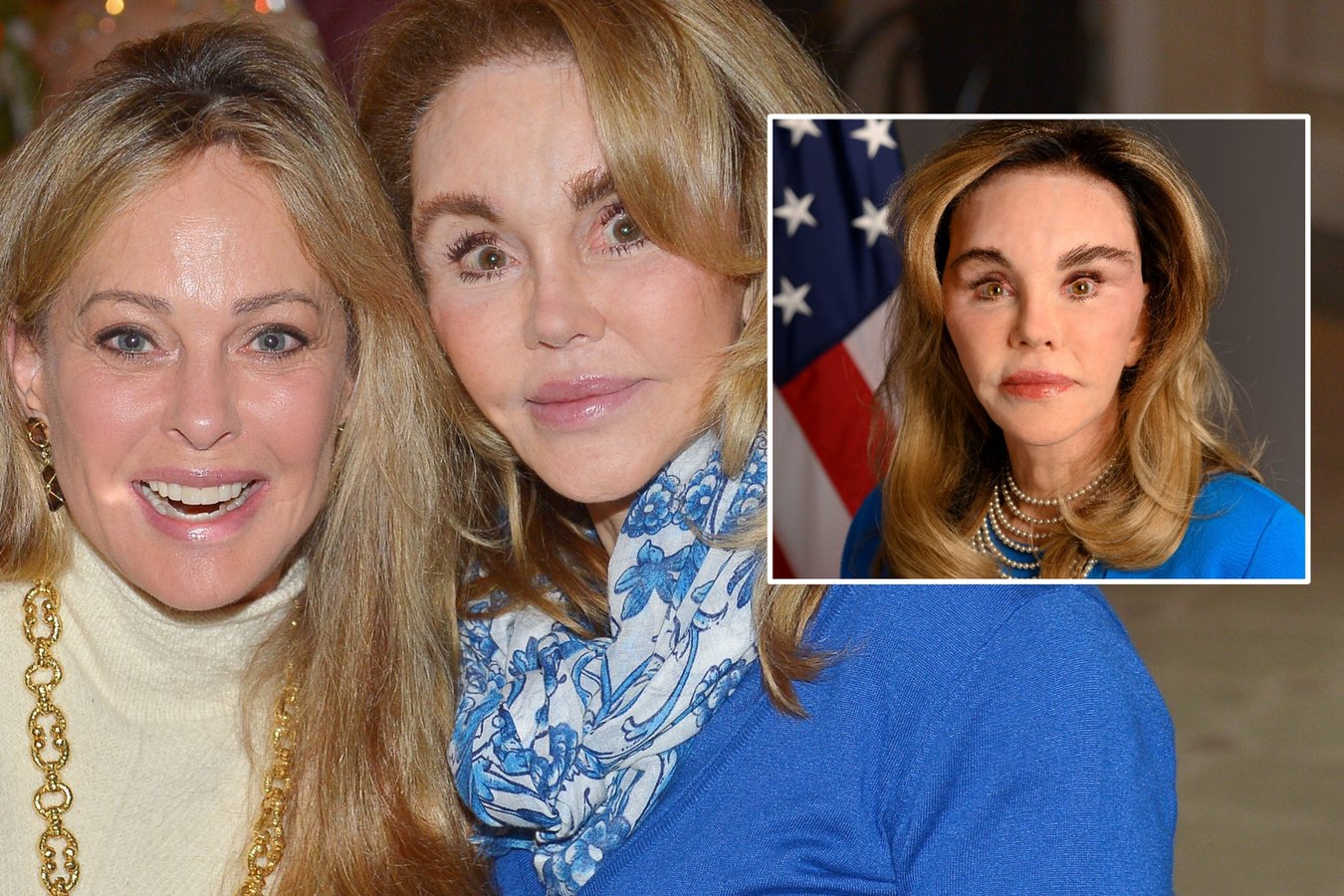
Trump Appoints Barbera Thornhill to Lead US Anti-Trafficking Office
Sports 271
Queens Park Rangers to Host Derby County in Championship Clash
Technology 293
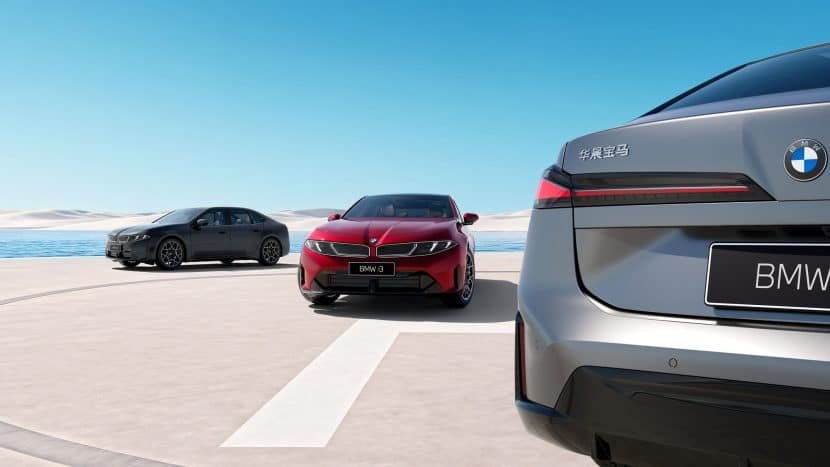
BMW i3 Sedan Covers 1,213 Kilometres on a Single Charge
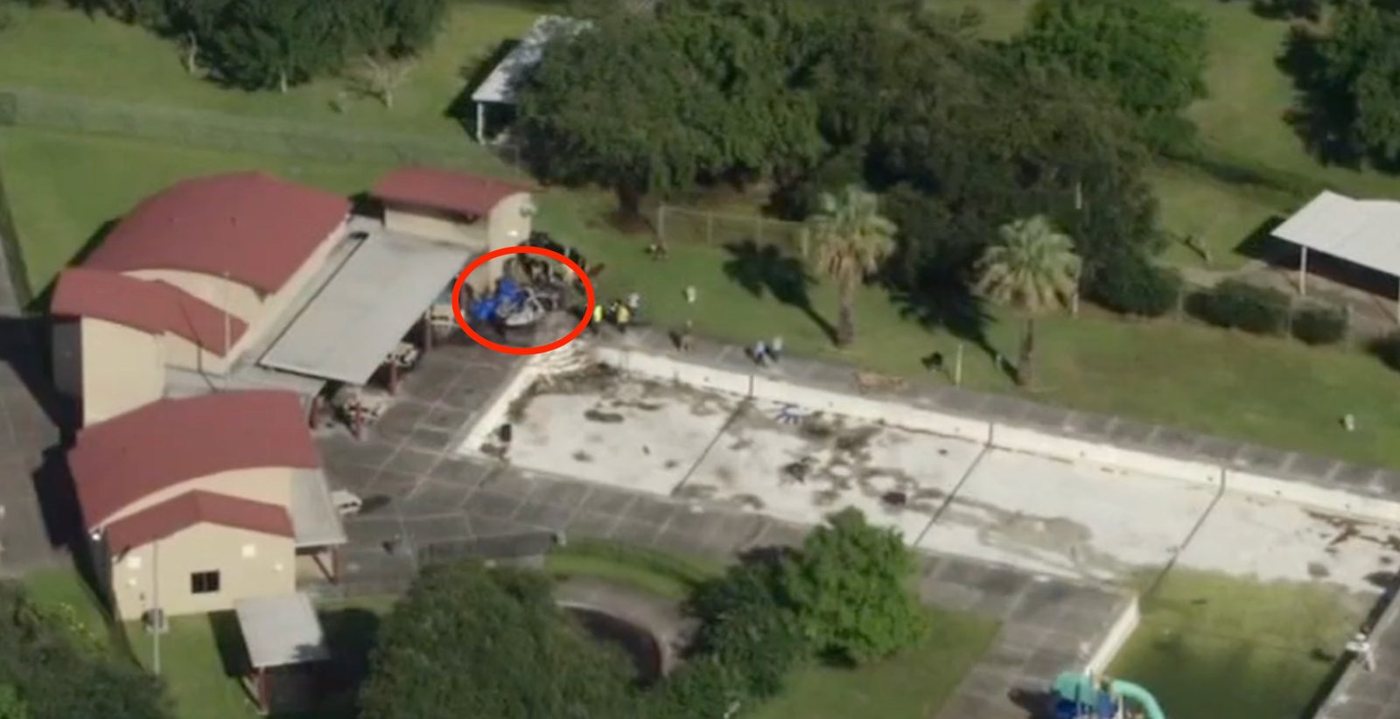
Tesla told federal regulators its driver-assist system was engaged when a Model 3 crashed at 104 mph in Clute, Texas, killing the driver — a detail absent from police statements and news reports about the May 2026 incident.
By George Kensington · 4 min read
Tesla has confirmed to federal regulators that its driver-assist system was engaged when a Model 3 crashed at 104 mph and killed its driver in Clute, Texas, in May 2026. The disclosure, which never appeared in any police statement or news report about the incident, marks the latest example of the gap between the company's internal data and the public account of crashes involving its Autopilot and «Full Self-Driving» systems.
The crash occurred in the small Texas town of Clute, roughly 50 miles south of Houston, when the vehicle left the roadway at high speed and struck a fixed object. The driver, the sole occupant, was pronounced dead at the scene. Local authorities initially reported the incident without specifying whether any driver-assistance technology was in use at the time of the collision.
Tesla's communication to the National Highway Traffic Safety Administration (NHTSA) stated that the system was «verified engaged» at the moment of the crash. The company has long maintained that its driver-assist features require active driver supervision, with hands on the wheel and attention on the road, despite the «Full Self-Driving» branding that suggests otherwise. The discrepancy between Tesla's data and the public narrative raises questions about how much information about such crashes reaches the public and regulators in a timely manner.
The Clute crash is not an isolated case. Tesla has faced repeated scrutiny over its handling of crashes involving its advanced driver-assistance systems, with critics arguing that the company's reporting practices obscure the true safety record of the technology. Federal regulators have opened multiple investigations into Tesla's systems over the years, examining incidents where Autopilot or FSD was engaged during fatal collisions.
In this instance, the vehicle's speed of 104 mph is itself a notable factor. Tesla's driver-assist systems are designed to operate within posted speed limits, but they can be overridden by the driver, and the company has faced questions about whether its software adequately prevents excessive speeding while engaged. The National Transportation Safety Board (NTSB) has previously criticised Tesla for what it called a lack of operational safeguards in its Autopilot system, particularly regarding driver engagement and speed management.
The Clute crash also highlights a broader transparency problem. Police reports and media coverage of the incident did not mention the driver-assist system, leaving the public with an incomplete picture of what happened. Tesla's confirmation to regulators came months after the crash, and the company has not publicly explained the delay or the discrepancy between its data and the official account.
For families of crash victims and safety advocates, the case underscores the difficulty of obtaining accurate information about the role of automation in road deaths. As Tesla continues to roll out and update its driver-assist features, the gap between what the company knows and what it shares remains a central concern for regulators and the driving public alike.
48