Business 199
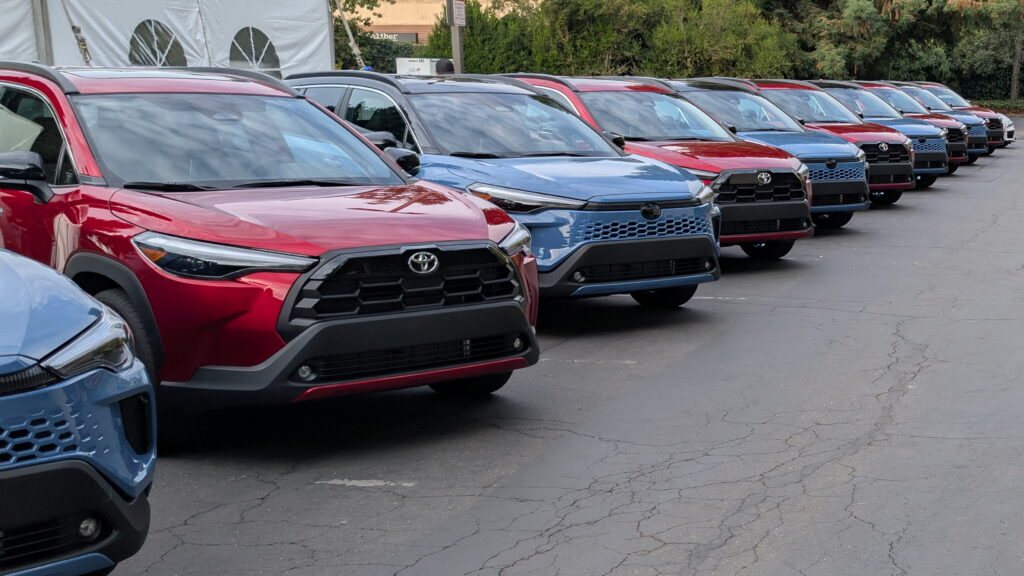
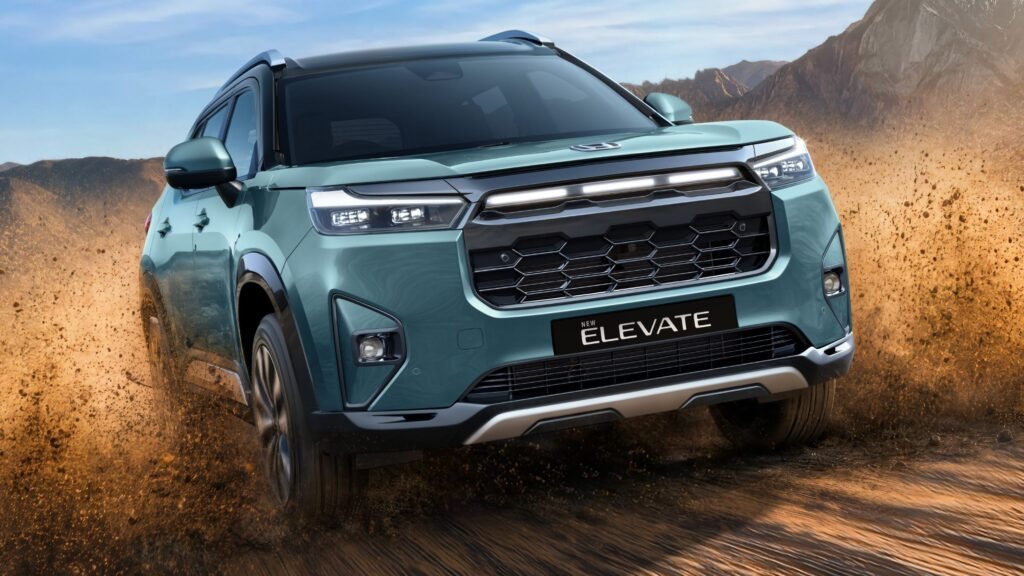
Honda Elevate Facelift Brings Rugged Styling and Ventilated Seats to India
In this issue
Business 199
Honda Elevate Facelift Brings Rugged Styling and Ventilated Seats to India
Culture 216
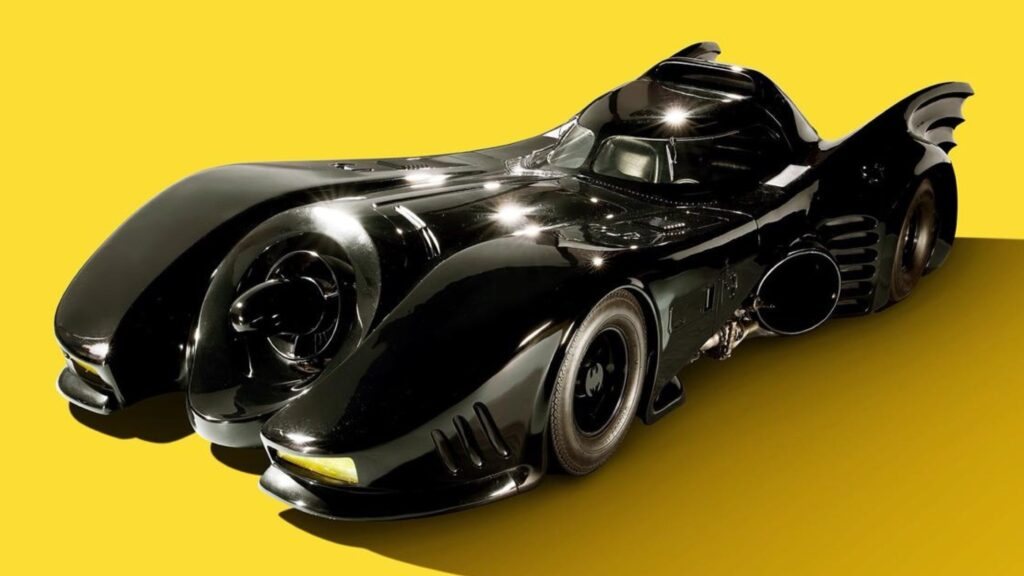
Batmobile from Batman Returns heads to auction with $7m estimate
Economy 37
Russia's EV Share Overtakes US as Fuel Shortages Bite
News 148
California Grants Three-Day Return Right on Used Cars
Politics 110
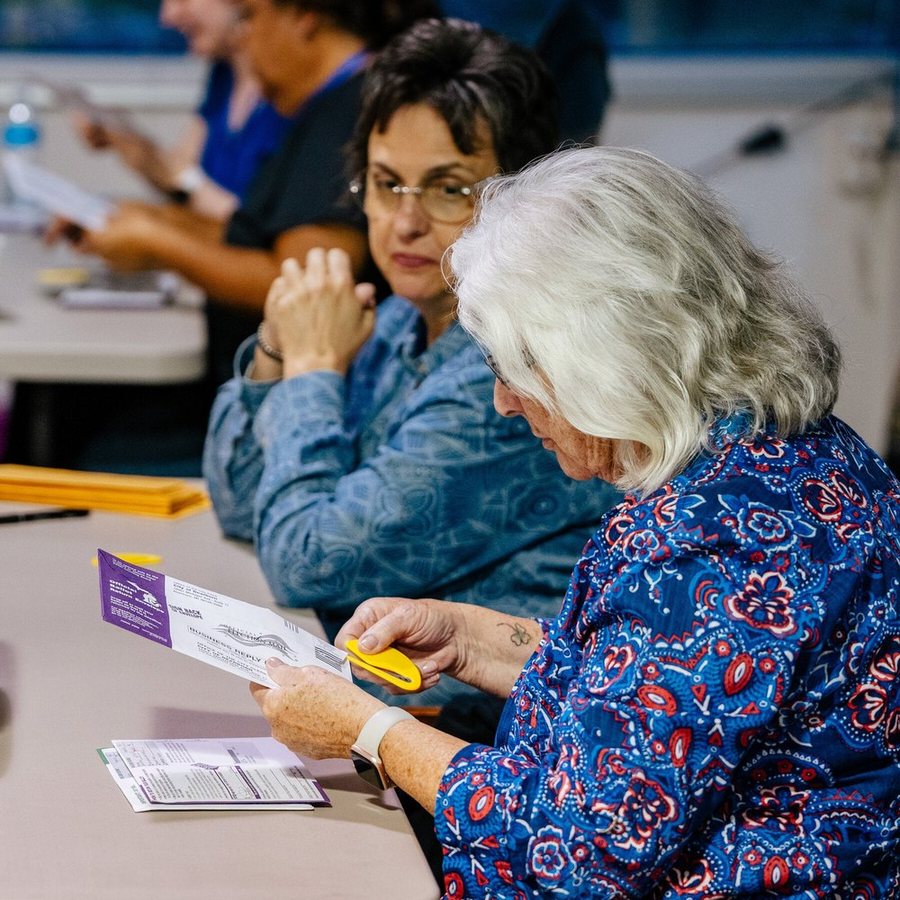
Trump Urges Republicans to Vote by Mail After Years of Criticising the Practice
Sports 262
West Ham United to Host Queens Park Rangers in October 2026 Championship Fixture
Technology 249
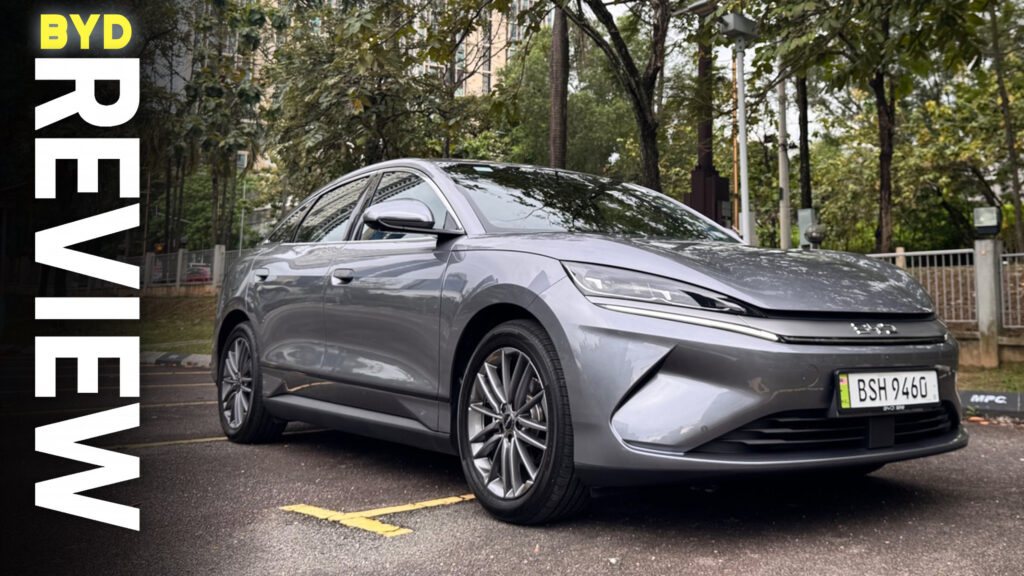
BYD Seal 6 Review: A Competent Electric Sedan That Plays It Safe
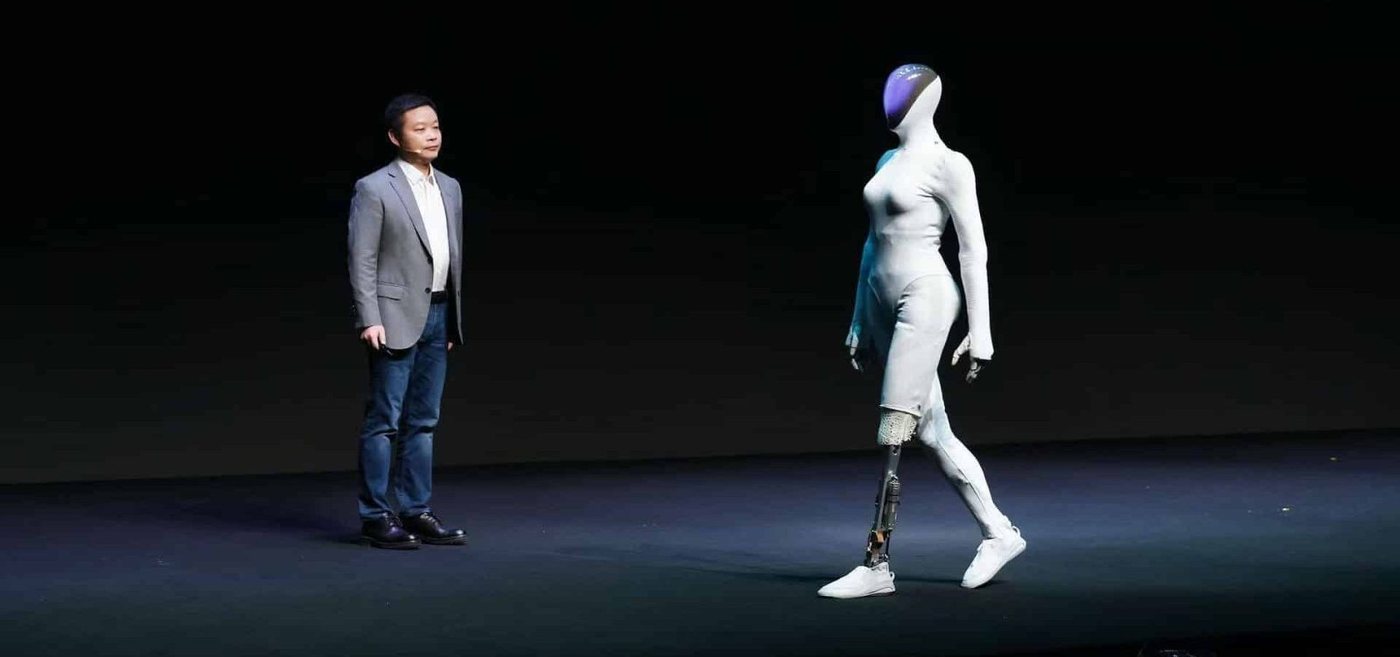
XPeng's robotics arm has secured over $900 million in private financing at a $6.3 billion valuation, aiming to bring its IRON humanoid robot to mass production by the end of 2026.
By George Kensington · 5 min read
XPeng's robotics division has raised more than $900 million in a single financing round, valuing the business at over $6.3 billion and positioning it to challenge Tesla in the race to commercialise humanoid robots. The Chinese electric vehicle maker announced the funding on Monday, describing it as the largest single-round private financing in the history of China's embodied AI industry. The capital will support the development and mass production of the IRON humanoid robot, which the company plans to bring to market by the end of 2026.
The investment marks a significant escalation in the global competition to build humanoid robots for industrial and domestic use. XPeng's timeline for IRON mass production places it ahead of Tesla's Optimus programme, which has faced repeated delays and technical setbacks. The funding round underscores the growing appetite among investors for embodied AI companies, a sector that combines advanced robotics with artificial intelligence to create machines capable of performing physical tasks in real-world environments.
XPeng, best known for its electric vehicles, has been expanding its technology portfolio beyond cars. The robotics business is part of a broader strategy to diversify revenue streams and leverage expertise in battery systems, sensors, and autonomous driving software. The company has not disclosed the full list of investors in the round, but the scale of the financing suggests strong backing from both domestic Chinese funds and international technology investors.
The IRON robot is designed to operate in settings such as factories, warehouses, and potentially homes, performing tasks that require dexterity and decision-making. Mass production by the end of 2026 would represent a major milestone for the industry, which has struggled to move from prototypes to commercially viable products. Analysts note that the cost of components, particularly actuators and sensors, remains a key challenge for scaling humanoid robots.
The announcement comes amid intensifying interest in humanoid robotics from major technology companies and automakers worldwide. Tesla's Optimus has been in development for several years, with Elon Musk promising that the robot will eventually handle tasks ranging from factory work to household chores. However, the programme has missed multiple deadlines, and Tesla has yet to demonstrate a fully functional production-ready unit. XPeng's progress could put pressure on Tesla to accelerate its own timeline.
For XPeng, the robotics investment also reflects a broader pivot towards technology services and hardware beyond vehicles. The company has faced intense competition in China's electric vehicle market, where price wars and regulatory changes have squeezed margins. Diversifying into robotics offers a potential new growth avenue, though the sector remains capital-intensive and unproven at scale.
The funding round is a signal of investor confidence in China's embodied AI sector, which has attracted significant state and private backing. The Chinese government has identified robotics and AI as strategic priorities, offering subsidies and policy support to companies developing advanced automation technologies. XPeng's success in raising such a large round suggests that investors see a clear path to commercialisation, despite the technical and regulatory hurdles that remain.
With the IRON robot slated for mass production within the next two years, XPeng is betting that it can translate its automotive manufacturing expertise into a new market. The company will need to demonstrate that its robots can operate reliably and cost-effectively in real-world conditions, a challenge that has so far eluded the industry. The investment gives it the resources to try, but the outcome will depend on execution as much as ambition.
58