
Business 208
Renault CEO Tightens Platform-Sharing Rules to Ensure Rival Models Look Distinct
In this issue
Business 208
Renault CEO Tightens Platform-Sharing Rules to Ensure Rival Models Look Distinct
Culture 254
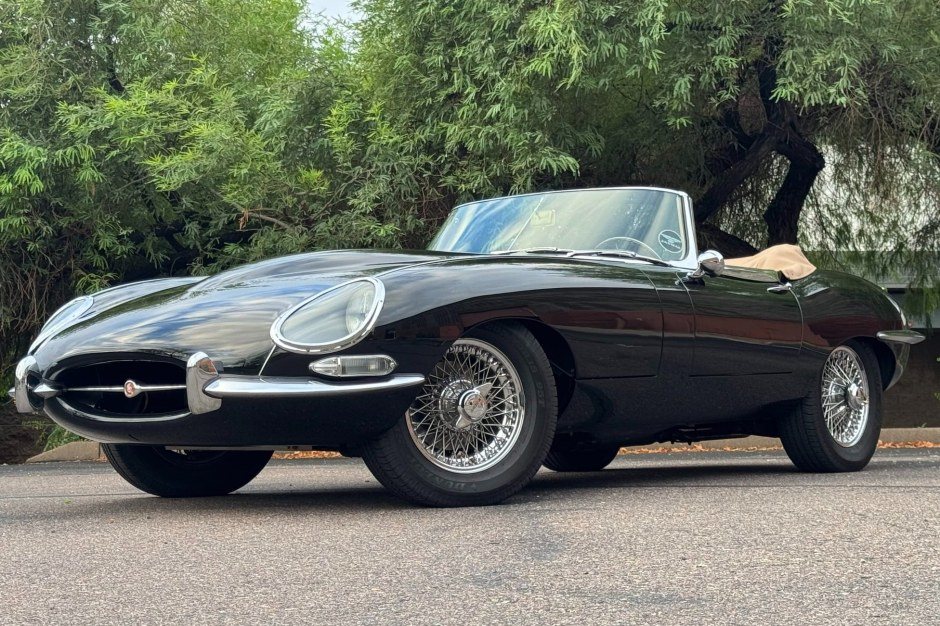
1964 Jaguar XKE Series I Roadster Heads to Auction
Economy 40
US Petrol Prices Set Record for Longest Stretch Above $4 a Gallon
News 151
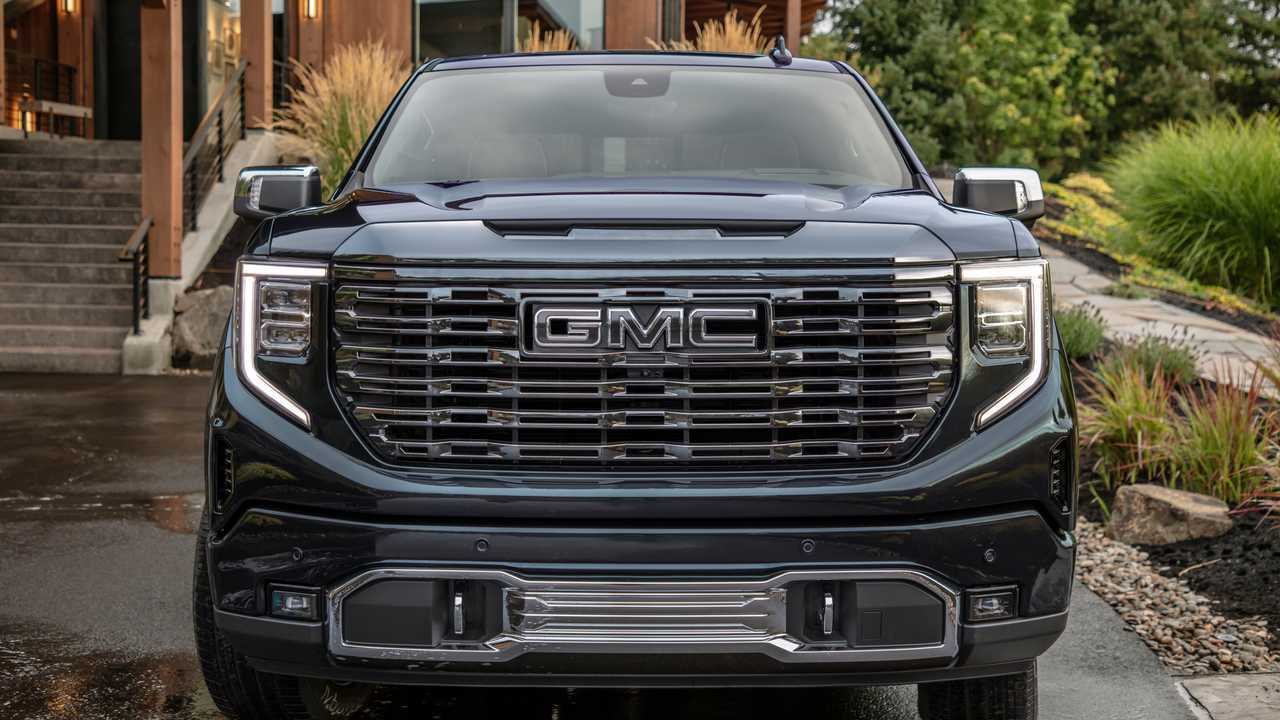
US Safety Agency Investigates 535,000 GMC Sierra Trucks Over Grille Deflector Fau…
Politics 113
Trump Appoints Barbera Thornhill to Lead US Anti-Trafficking Office
Sports 271
Queens Park Rangers to Host Derby County in Championship Clash
Technology 288
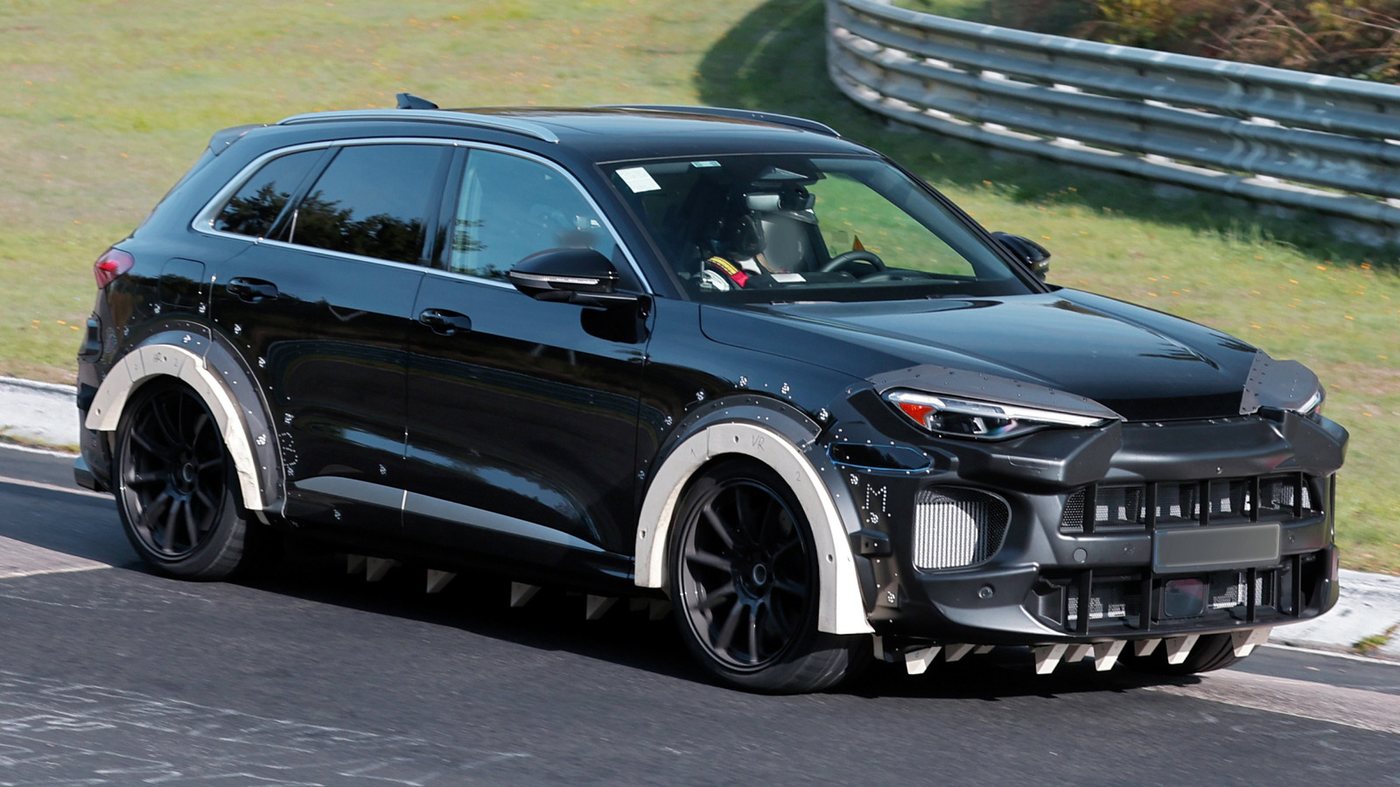
Porsche's Petrol Macan Replacement Spied Testing Under Audi Q5 Body
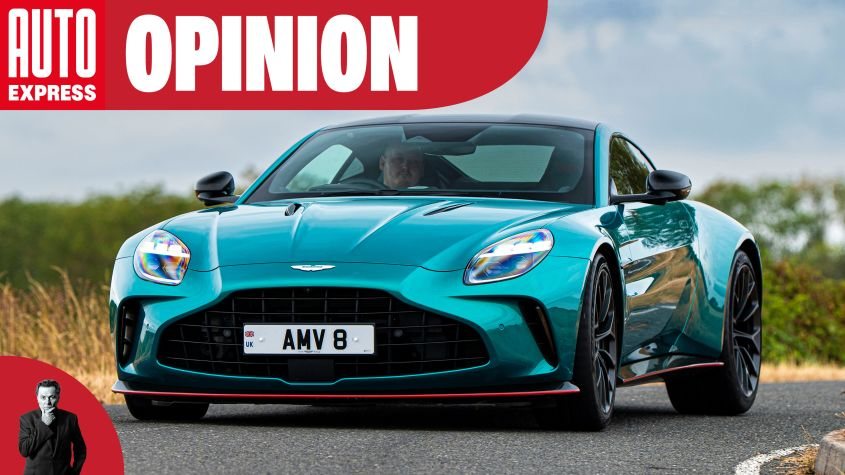
Mike Rutherford argues that Aston Martin, Bentley, McLaren and Jaguar Land Rover give Britain a unique chance to dominate the world’s luxury car market, urging government and industry to back the sector.
By Edward Beaumont · 3 min read
Britain has a rare opportunity to become the world’s undisputed leader in luxury car manufacturing, according to veteran motoring journalist Mike Rutherford. In a new opinion piece, he argues that the country’s portfolio of premium brands — Aston Martin, Bentley, McLaren and Jaguar Land Rover — gives the UK a competitive edge no other nation can match. Rutherford calls on industry leaders and policymakers to recognise the sector’s potential and invest accordingly, rather than allowing foreign rivals to erode Britain’s historic strength.
The four marques represent different corners of the luxury market, from grand tourers and ultra-luxury saloons to high-performance supercars and premium SUVs. Together, they form a cluster of engineering excellence and brand heritage that Rutherford believes is unmatched globally. He points out that while Germany and Italy have strong individual players, no other country can offer the same breadth of high-end automotive manufacturing under one national banner. This concentration of talent, design and craftsmanship, he argues, is a strategic asset that should be nurtured.
Rutherford’s vision comes at a time when the global luxury car market is undergoing significant change. Electric vehicles, digital personalisation and shifting consumer tastes are forcing even the most established names to adapt. The rise of bespoke programmes, such as Genesis’s One of One service in the Middle East, shows that wealthy buyers increasingly expect more than just a powerful engine and premium materials. They want unique, tailored experiences. British brands, with their long tradition of coachbuilding and personalisation, are well placed to meet this demand.
However, the sector faces real challenges. Supply chain pressures, the transition to electric powertrains and intense competition from Asian and American rivals all threaten to dilute Britain’s advantage. Rutherford suggests that without a coordinated strategy — involving government support, investment in skills and a clear regulatory framework — the country risks losing its edge. He urges stakeholders to act now, before the window of opportunity closes.
The argument is not just about preserving heritage. Luxury car manufacturing is a significant contributor to the UK economy, supporting thousands of jobs and generating substantial export revenue. A thriving luxury sector also has a halo effect, boosting the wider automotive industry and reinforcing Britain’s reputation for engineering excellence. Rutherford’s message is simple: Britain has the brands, the talent and the reputation to win big in the luxury car market — but only if it seizes the moment.
55