Business 291
Used electric cars are selling faster than petrol and hybrid models
In this issue
Business 291
Used electric cars are selling faster than petrol and hybrid models
Culture 320
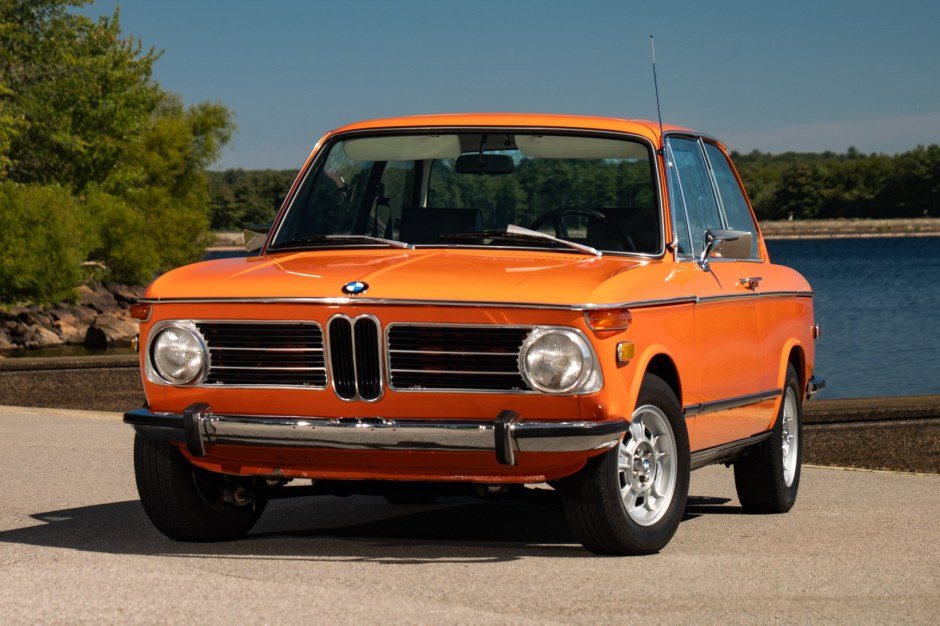
Restored 1973 BMW 2002tii offered in New Hampshire after US return from Canada
Economy 48
Three Tankers Reportedly Strike Mines in Strait of Hormuz
News 161
Private parking firms face pressure as UK motorists call for fairer rules
Politics 121
Burnham denies stopping ministers from discussing closer EU ties
Sports 290
Tottenham meet Crystal Palace in Premier League fixture on 31 October
Technology 347
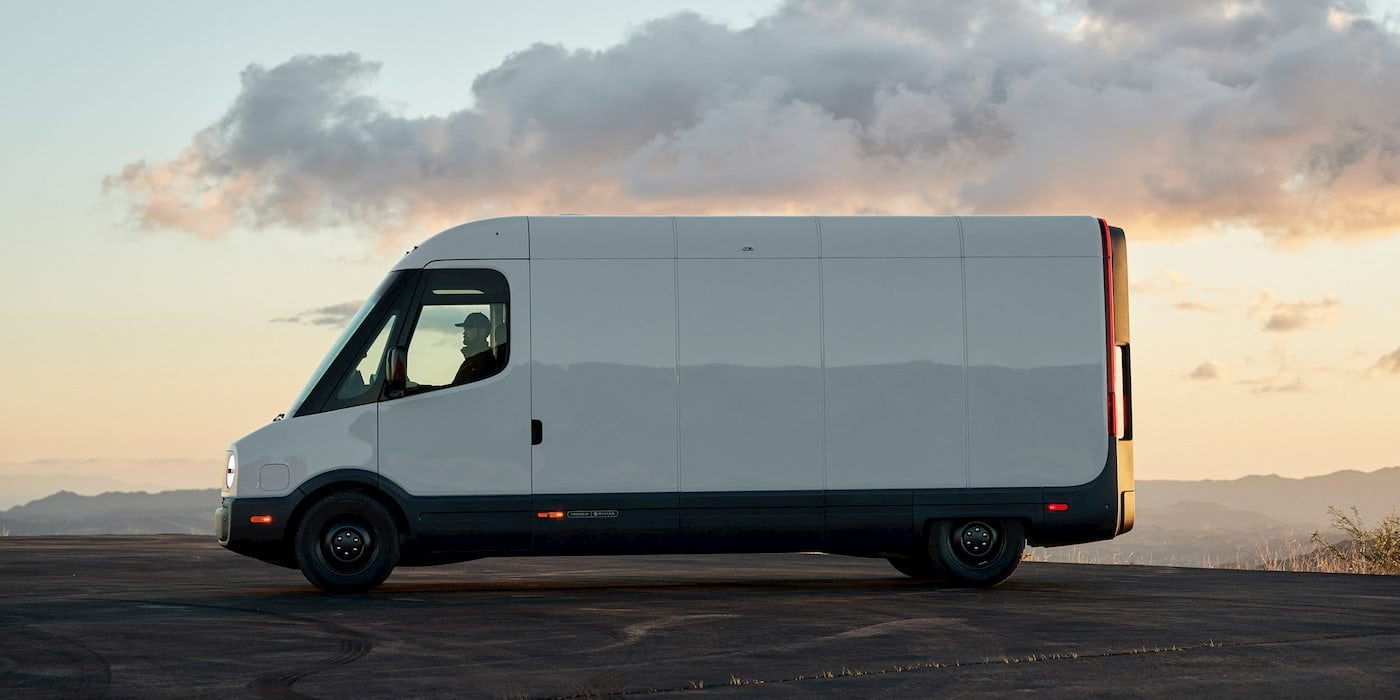
Rivian Delivers Electric Van Update With 30% More Range and AWD
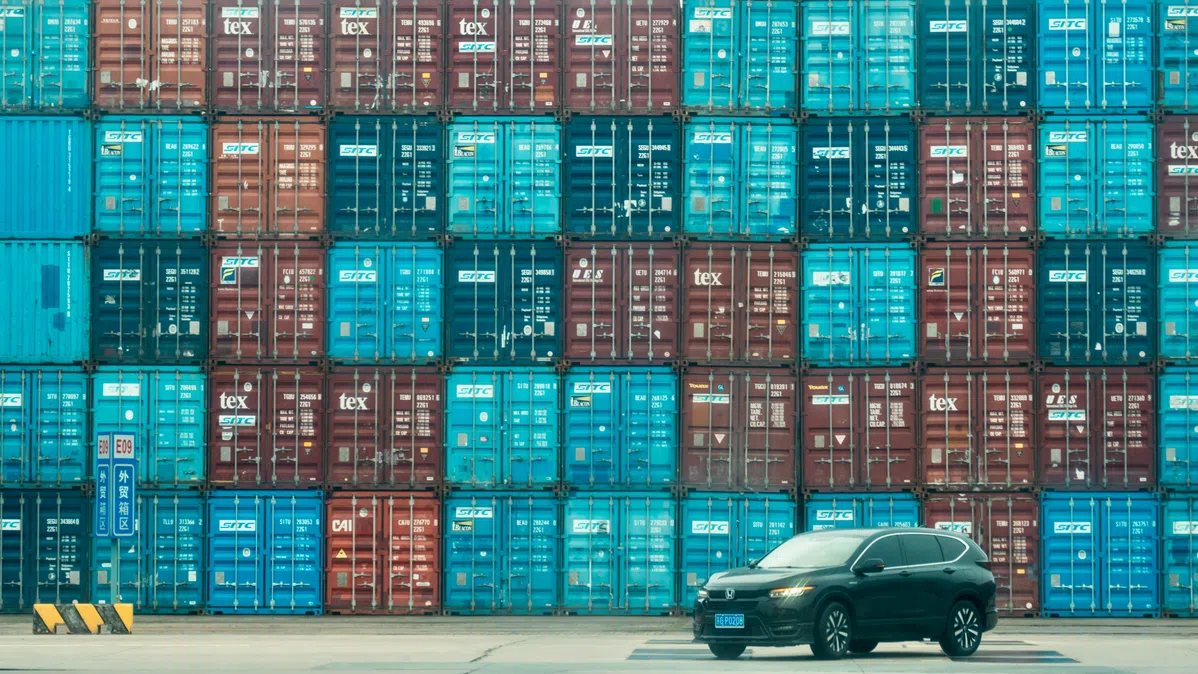
China is exporting record numbers of cars to Europe, Australia and beyond as domestic buyers lose enthusiasm for the vehicles rolling off its production lines.
By Charlotte Redford · 3 min read
China is shipping more cars abroad than ever before, as domestic demand fails to keep pace with the country's vast manufacturing output. The surplus is being redirected to Europe, Australia and virtually every other market where people are permitted to drive, according to industry observers.
The trend reflects a structural imbalance in the world's largest car market. Chinese factories continue to produce vehicles at high volume, but domestic consumers have become markedly less eager to buy them. Rather than allowing inventories to accumulate, manufacturers are turning to export markets to absorb the excess.
Europe has emerged as a particularly significant destination for these vehicles. The continent's appetite for affordable cars, combined with the accelerating shift towards electric mobility, has made it a natural outlet for Chinese production. Australia, too, has become a notable recipient, alongside a wide range of other nations.
The development carries substantial implications for the global automotive industry. Established manufacturers in Europe and elsewhere face intensifying competition from Chinese brands, many of which are able to offer competitive pricing and increasingly sophisticated technology. For consumers, the influx may translate into greater choice and downward pressure on prices.
At the same time, the surge in exports raises questions about the long-term sustainability of China's automotive expansion. If domestic demand remains subdued, manufacturers will become ever more dependent on foreign markets, exposing them to shifts in trade policy, tariffs and geopolitical tensions.
For British motorists and businesses, the trend is likely to be felt in showrooms and supply chains alike. Chinese-made vehicles are already making inroads into the UK market, and the broader European picture suggests that presence will only grow. Dealers, importers and fleet operators are watching the situation closely as they weigh up how to respond to a changing competitive landscape.
The scale of the export push also highlights the broader rebalancing of global manufacturing. China's automotive sector has moved rapidly from serving primarily its home market to becoming a major force in international trade. That transition is reshaping supply chains, investment decisions and strategic planning across the industry.
How Western governments respond remains an open question. Some have already signalled concern about the pace of Chinese vehicle imports, while others have adopted a more measured approach. For now, the cars keep coming, and the markets keep absorbing them.
63