Business 199
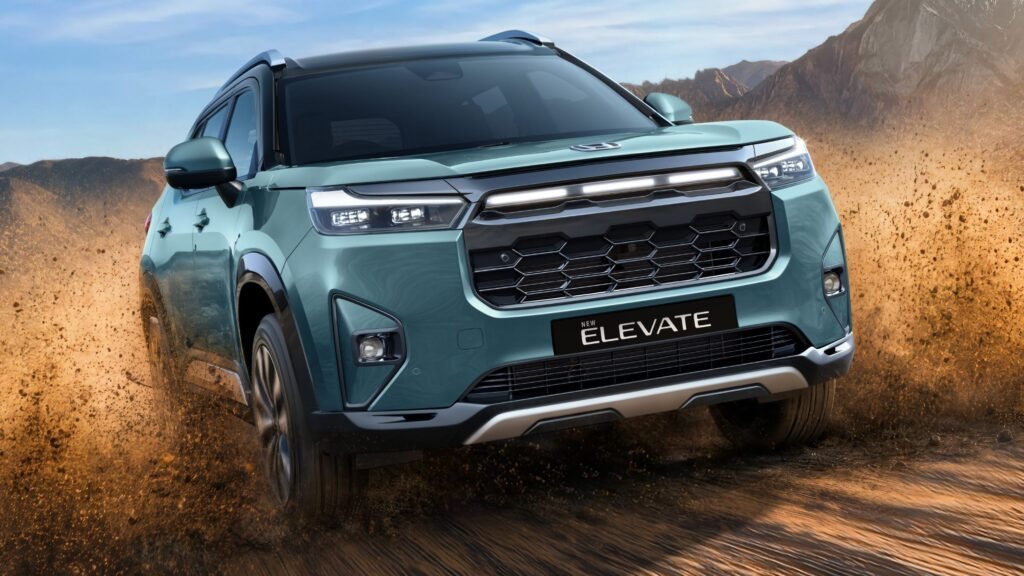
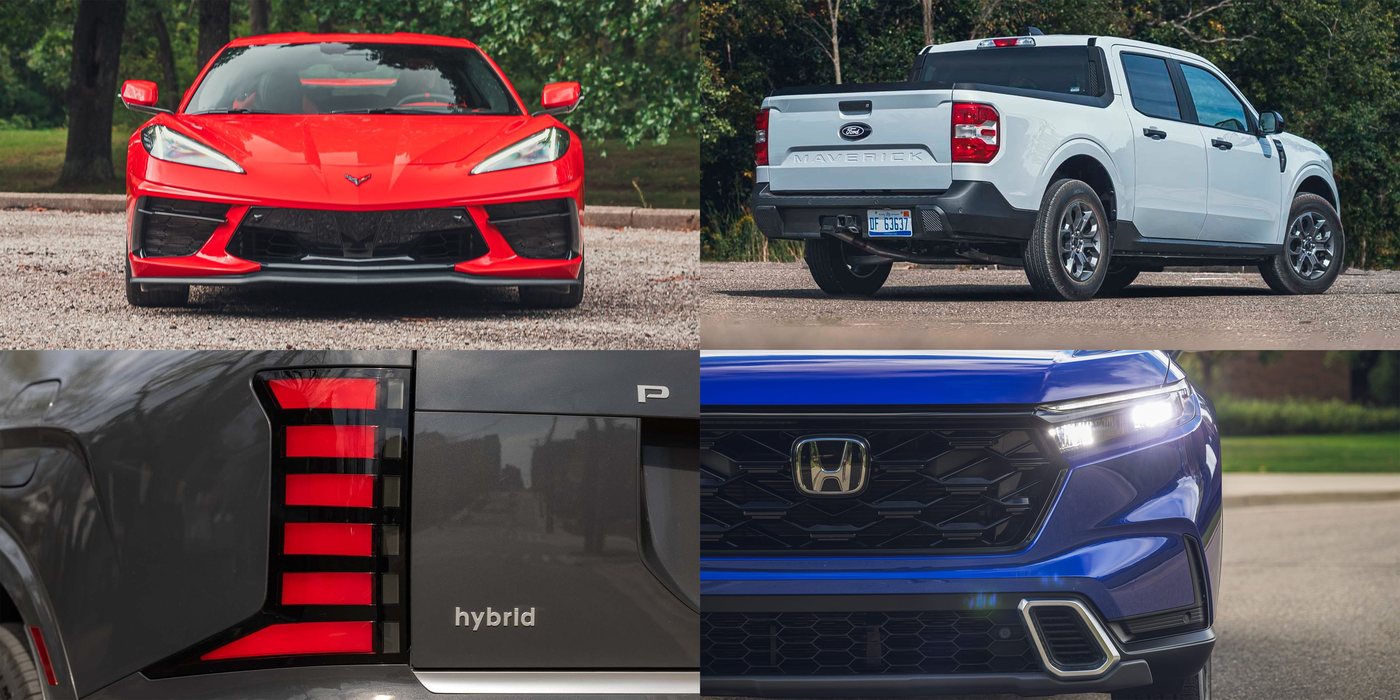
Hybrids Beat Petrol on Running Costs Across Most Popular Models, Review Finds
In this issue
Business 199
Hybrids Beat Petrol on Running Costs Across Most Popular Models, Review Finds
Culture 219
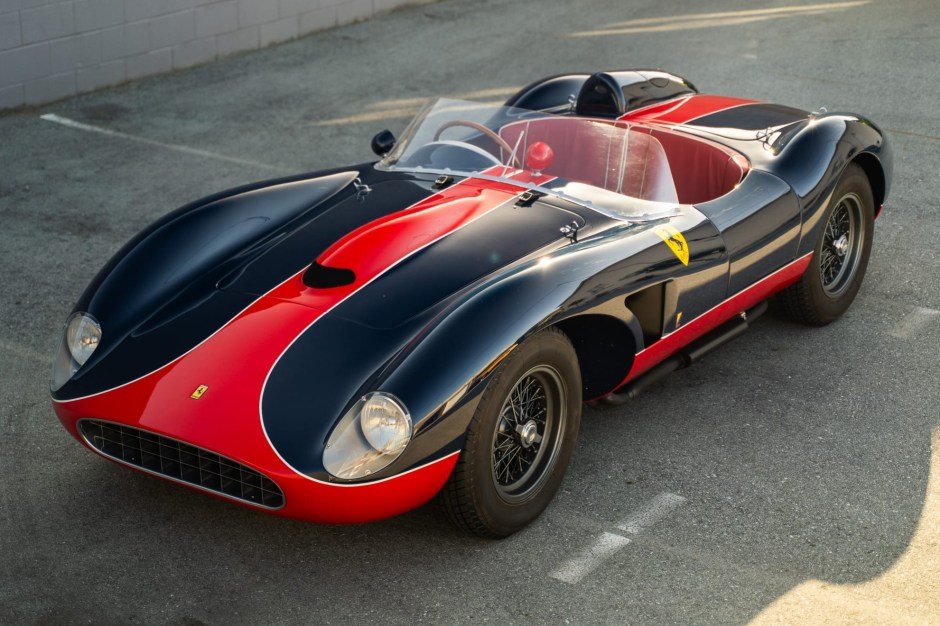
DK Engineering 1980s Ferrari 250 Testa Rossa Re-Creation Heads to Auction
Economy 37
Russia's EV Share Overtakes US as Fuel Shortages Bite
News 149
Weekly Exercise Linked to Slower Memory and Movement Decline in Parkinson's Patie…
Politics 110
Trump Urges Republicans to Vote by Mail After Years of Criticising the Practice
Sports 264
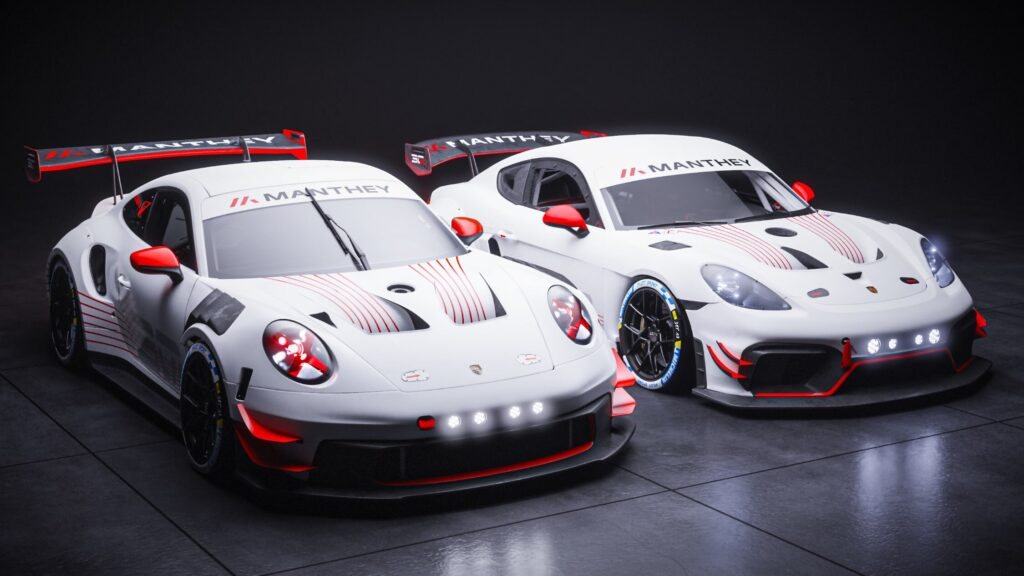
Manthey Marks 30 Years With 30 Special Track Porsches
Technology 254
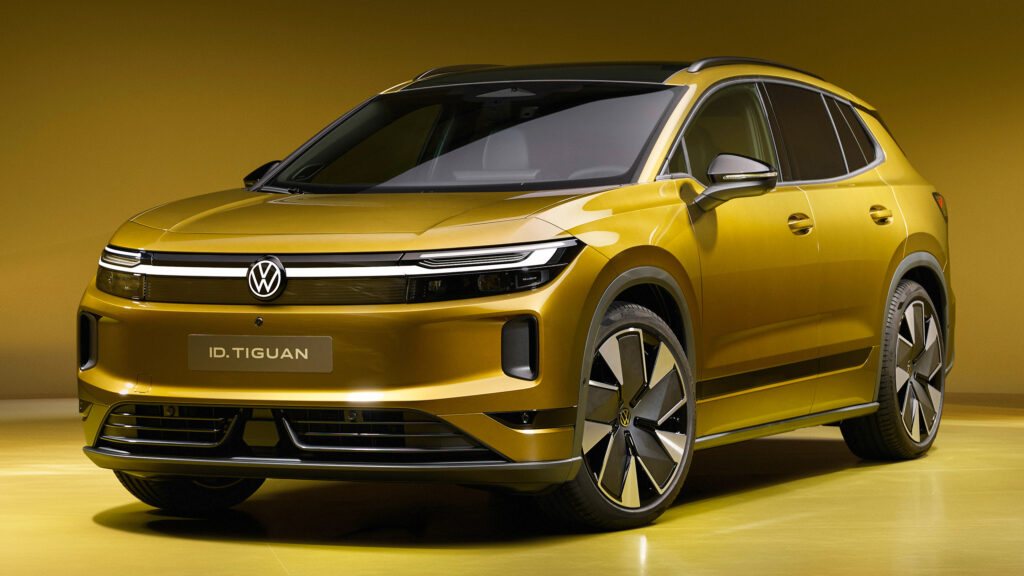
Volkswagen Unveils ID Tiguan to Replace ID 4 and ID 5
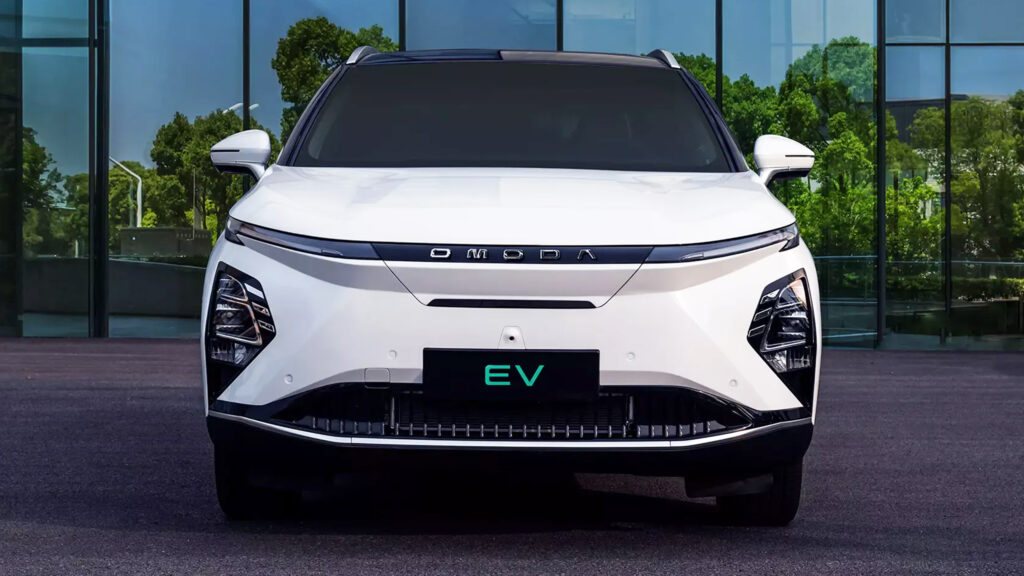
Chinese car brands are set to manufacture around 90,000 vehicles in Europe this year, with forecasts suggesting that figure could reach 1.5 million annually by 2035. European lawmakers are pushing for local parts quotas to ensure the economic benefits stay in the region.
By Edward Beaumont · 3 min read
Chinese car manufacturers are rapidly expanding their European production footprint, with forecasts suggesting they could build as many as 1.5 million vehicles a year on the continent by 2035. This year alone, brands including BYD, Leapmotor, and Chery are expected to manufacture approximately 90,000 cars in Europe, either in newly built factories or existing plants that have been underutilised.
According to industry analysis from Global Mobility, that figure is projected to grow to 1 million units annually by 2030 and 1.5 million by 2035. Spain has emerged as the early hotspot for this expansion, with several Chinese brands already producing vehicles there or planning to do so in the near future.
European lawmakers, however, are seeking to ensure that this wave of investment does not simply become an assembly operation for Chinese components. The Industrial Accelerator Act (IAA), currently being developed, aims to strengthen Europe's industrial base by introducing quotas for European-made parts in vehicles manufactured across the continent. The details are still being finalised, but the act is expected to require carmakers to source a significant proportion of components locally.
Economist Sander Tordoir warned that without such measures, the main risk is that China will open pure assembly plants for Chinese components in the EU, delivering minimal economic added value for Europeans. The concern is that local production would create few jobs and little supply-chain benefit if the bulk of the value remains in components manufactured elsewhere.
BYD, which has a high degree of vertical integration, is already preparing to start production in Hungary and is exploring the addition of a plant in Spain. Several Jaecoo and Omoda vehicles are being built in Spain, and Leapmotor will soon begin manufacturing electric vehicles at the Stellantis site in Zaragoza. Geely is also set to produce vehicles in Valencia through a partnership with Ford.
The primary motivation for Chinese brands to build locally is to avoid hefty import tariffs on vehicles shipped into the EU. However, if the IAA enforces greater reliance on European suppliers, companies like BYD will need to reassess whether the investments remain worthwhile. Gregor Williams from the Rhodium Group think tank noted that to be considered genuinely 'Made in Europe', large parts of the components, including the battery, would have to be manufactured locally.
The outcome of these negotiations will determine whether the expansion of Chinese car production in Europe becomes a genuine industrial partnership or remains a tariff-avoidance strategy with limited local economic benefit.
61