Business 291
Used electric cars are selling faster than petrol and hybrid models
In this issue
Business 291
Used electric cars are selling faster than petrol and hybrid models
Culture 320
Restored 1973 BMW 2002tii offered in New Hampshire after US return from Canada
Economy 48
Three Tankers Reportedly Strike Mines in Strait of Hormuz
News 161
Private parking firms face pressure as UK motorists call for fairer rules
Politics 121
Burnham denies stopping ministers from discussing closer EU ties
Sports 290
Tottenham meet Crystal Palace in Premier League fixture on 31 October
Technology 347
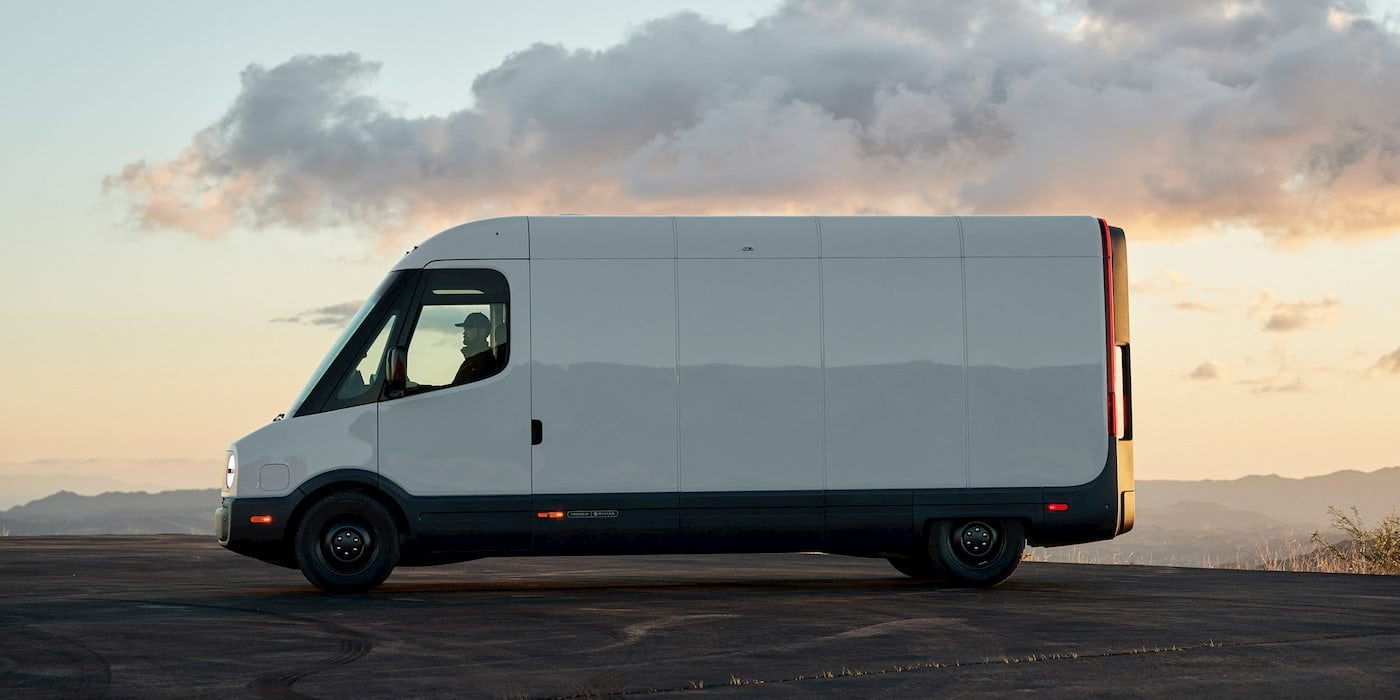
Rivian Delivers Electric Van Update With 30% More Range and AWD
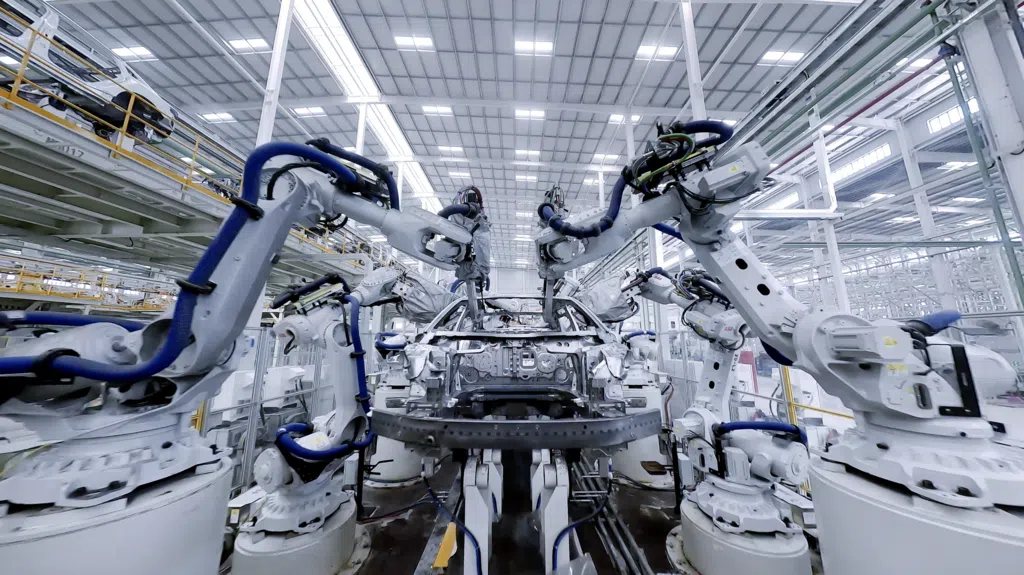
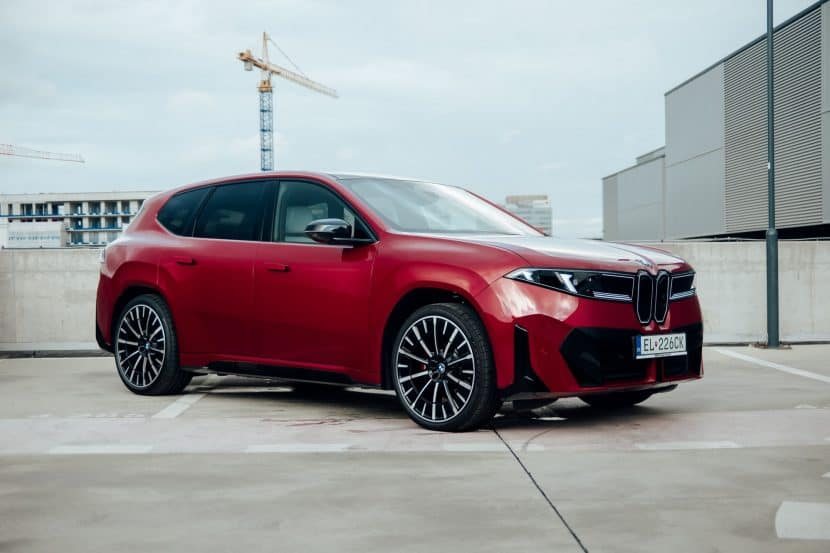
Audi’s boast about developing the Nuvolari in 405 days highlights the pace of Chinese carmakers, but external experts warn that such speed may compromise safety.
By Edward Beaumont · 4 min read
Chinese carmakers are developing new models at a pace that is raising concerns among industry observers, who warn that the relentless speed of production may come at the cost of safety. The warning follows Audi’s proud announcement that it took just 405 days to turn the Nuvolari concept from a sketch into a drivable prototype, a feat the German brand claims puts it on par with the development speed of its Chinese rivals. While Audi presents this as a competitive triumph, external parties are far less enthusiastic about the trend.
The automotive industry has long measured prestige in engineering precision and durability, but the rise of Chinese manufacturers has shifted the focus towards rapid iteration. In China, where the market rewards frequent model updates and cutting-edge technology, carmakers have compressed development cycles dramatically. Audi’s Nuvolari project, which involved a dedicated team working around the clock, is seen as a direct response to this pressure. Yet critics argue that compressing the traditional multi-year process into little more than a year increases the risk of design flaws, inadequate testing, and overlooked safety issues.
Safety experts point out that thorough validation is essential for components such as braking systems, battery packs, and electronic driver-assistance features. A rushed development schedule may not allow sufficient time for real-world testing, extreme-weather trials, or long-term durability assessments. The concern is particularly acute for electric vehicles, where battery safety and thermal management are critical. Chinese manufacturers have been aggressive in launching EVs with advanced features, but the speed of their rollouts has sometimes outpaced the regulatory frameworks in export markets.
The issue is not limited to Chinese brands. Western manufacturers, eager to compete in the world’s largest car market, are increasingly adopting similar accelerated timelines. Audi’s Nuvolari project is a case in point: the company’s decision to match Chinese development speed reflects a broader industry shift towards faster product cycles. However, industry analysts note that safety records are built over years, not months, and that shortcuts in development can lead to costly recalls and reputational damage.
For consumers, the implications are significant. A car that reaches the market in record time may offer the latest technology and design, but its long-term reliability and safety performance remain uncertain. Regulators in Europe and North America are watching closely, and some have already tightened requirements for software updates and crash-testing procedures. The challenge for carmakers is to balance the demand for speed with the uncompromising standards of safety that consumers expect.
As the automotive industry continues to evolve, the debate over development speed is unlikely to fade. Chinese manufacturers have proven that they can produce vehicles quickly and at scale, but the question remains whether this pace is sustainable without compromising the very qualities that define a trustworthy automobile. For now, the industry is left to ponder whether 405 days is a milestone to celebrate or a warning to heed.
83