Business 301
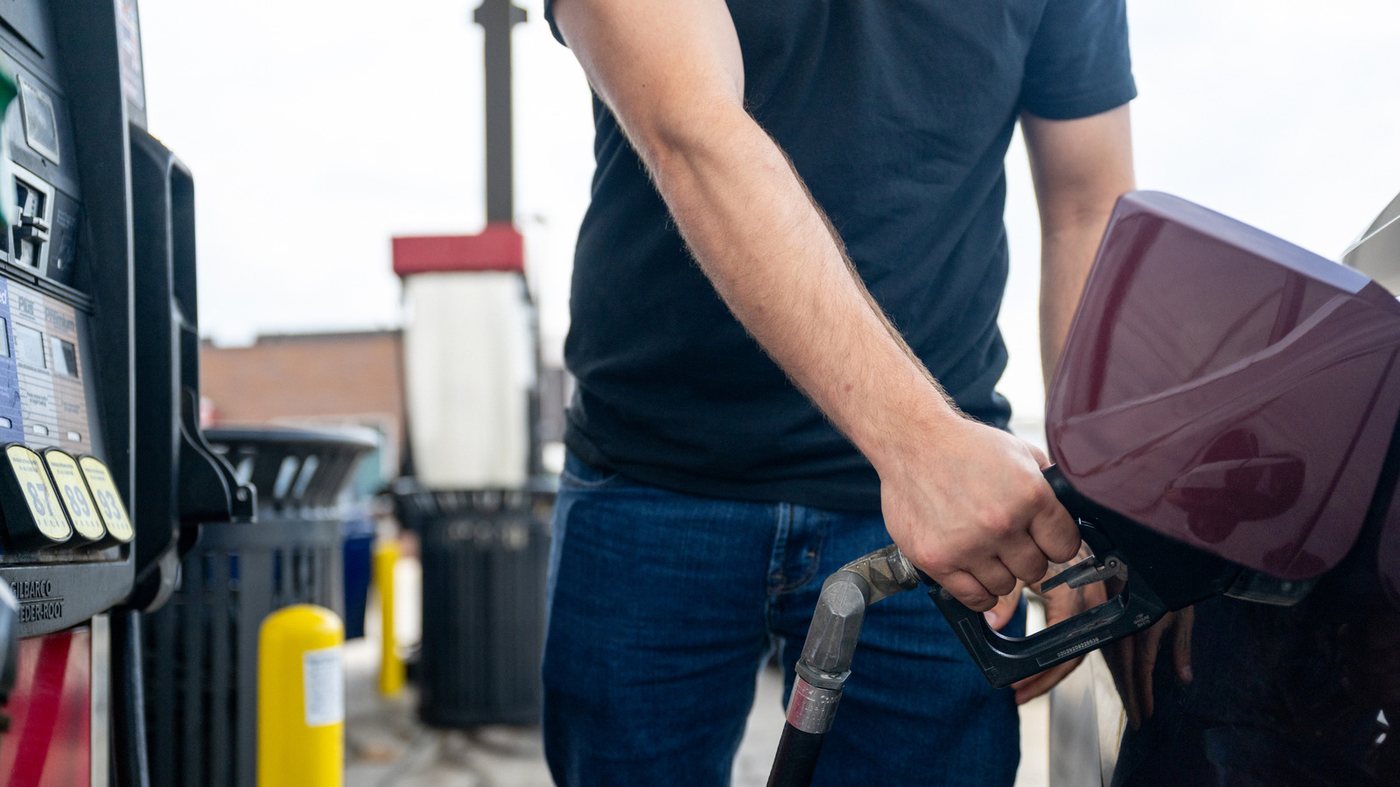
Long-haul fleets turn to a 30-pound trailer aid to cut diesel costs
In this issue
Business 301
Long-haul fleets turn to a 30-pound trailer aid to cut diesel costs
Culture 335
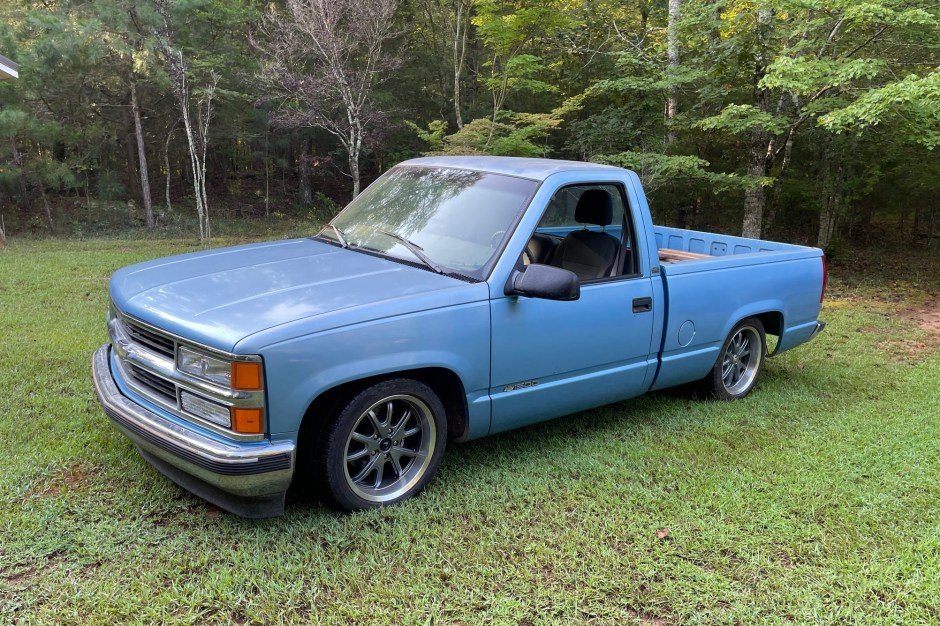
Lowered 1997 Chevrolet C1500 Cheyenne with 6.0-liter V8 offered at no reserve
Economy 48
Three Tankers Reportedly Strike Mines in Strait of Hormuz
News 161
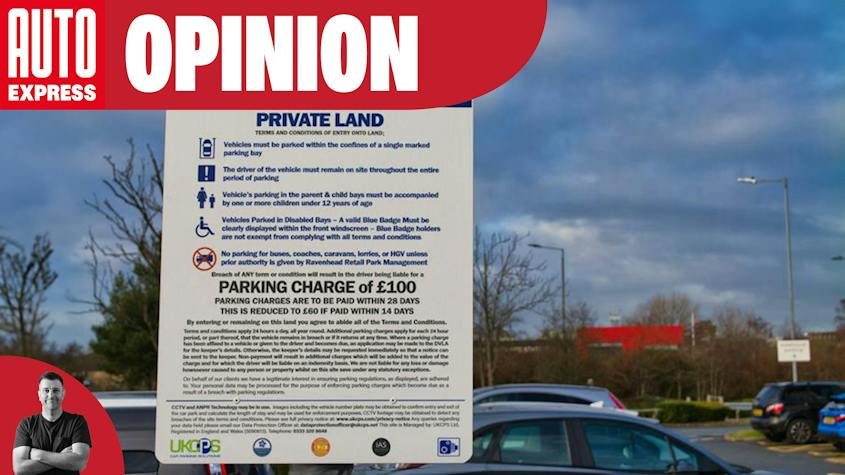
Private parking firms face pressure as UK motorists call for fairer rules
Politics 121
Burnham denies stopping ministers from discussing closer EU ties
Sports 294
Lincoln City and Birmingham City meet in league fixture on Saturday
Technology 350
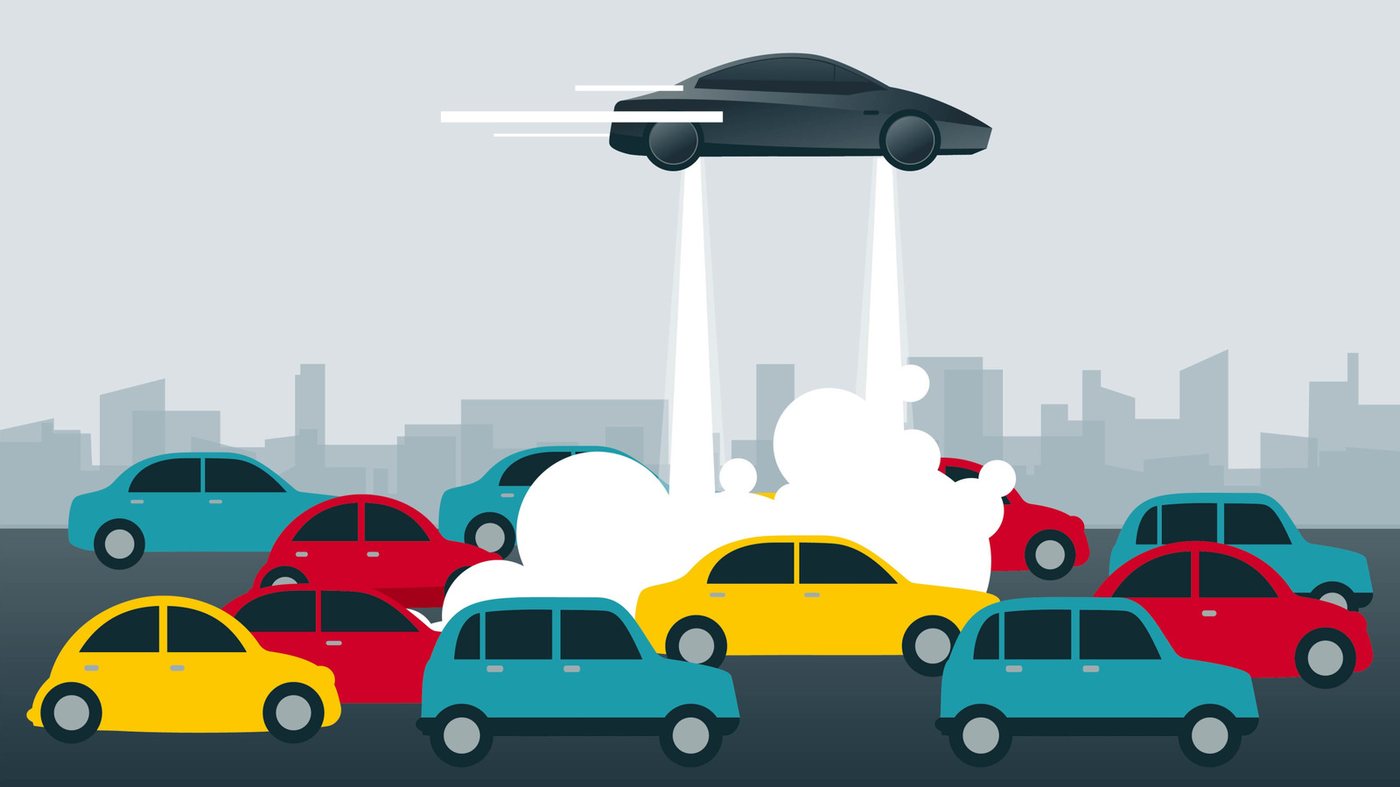
Flying cars unlikely by 2050 but US driving will still change
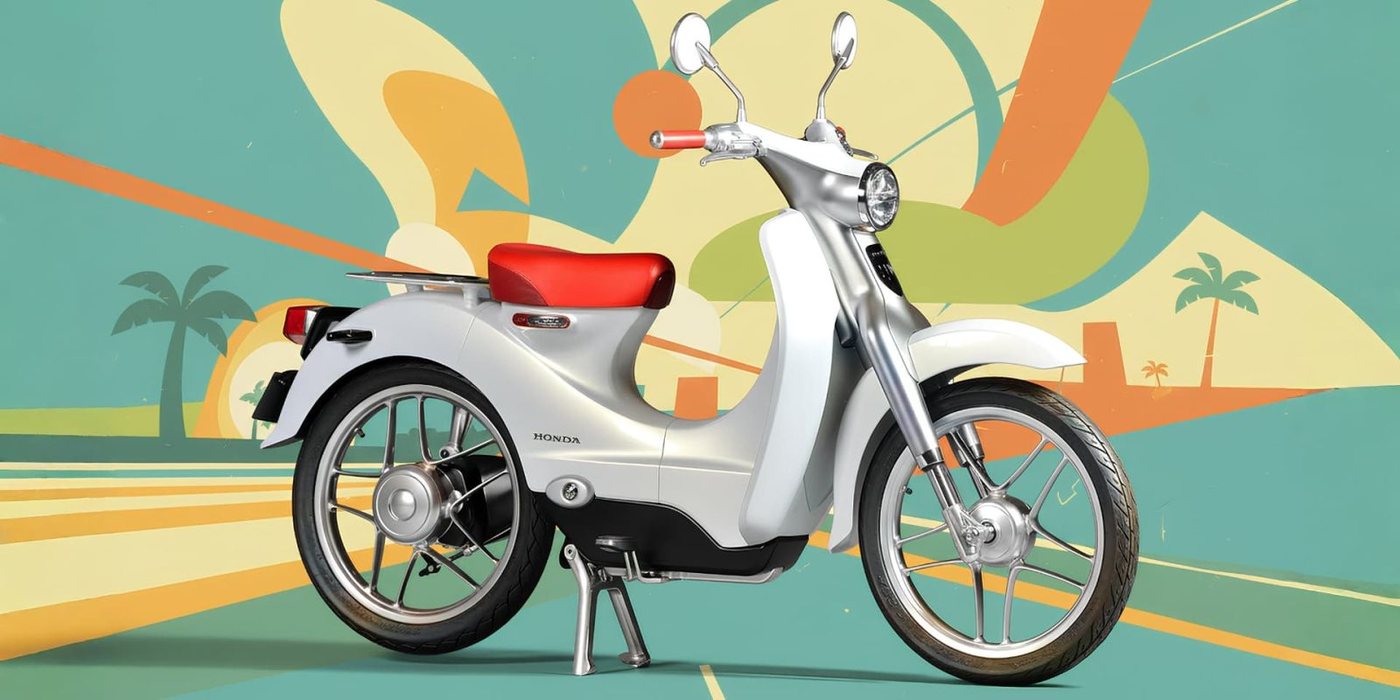
Honda has long led the global motorcycle industry on the back of gasoline-powered two-wheelers, but electric motorcycles and scooters are becoming more accessible in key markets and beginning to challenge that position.
By Edward Beaumont · 4 min read
Honda has built one of the most dominant positions in the global motorcycle industry, selling millions of gasoline-powered two-wheelers every year. That lead now faces a serious test as electric motorcycles and scooters become easier to buy in markets where two-wheelers are a central part of everyday transport.
The shift matters because motorcycles and scooters are not a niche product in many parts of the world. They are used for commuting, deliveries and personal travel, which means demand is large and the buying decisions of ordinary households carry significant weight. As electric models become more available, the traditional advantage held by combustion-engine manufacturers is no longer guaranteed.
Honda's scale has long been its strength, built on decades of production, distribution networks and brand loyalty. Those assets remain valuable, but they are tied to a product category whose underlying technology is changing. Electric two-wheelers involve different engineering, different supply chains and different service requirements. That opens the door to new entrants and to rivals that have concentrated on electrification from the outset, and it means a company that once competed mainly on engine performance and reliability must now compete on battery range, charging access and running costs.
The change is also reshaping what buyers expect. In many urban markets, a scooter or light motorcycle is chosen for its cost of ownership as much as its speed or prestige. Electric models typically require less routine maintenance than petrol engines, with no oil changes and fewer moving parts to service, which appeals to commuters and fleet operators who run their vehicles every day. Lower fuel costs add to that appeal, particularly where petrol prices are high or volatile. Each of these advantages gives newer electric brands a route into segments that were once considered secure for incumbents.
For a company of Honda's size, the challenge is less about whether electric bikes will exist and more about how quickly they will take share from petrol models in the markets where it sells the most. The pace of that transition will determine how much of the sector's profit pool remains with the established leader. Each lost sale of a combustion-engine model is not simply a single unit but a shift in the customer base that could be harder to win back later.
The broader picture is one of an industry in transition. Established manufacturers must balance continued sales of gasoline models with investment in electric alternatives, while newer companies compete on price, range and convenience. Protecting existing revenue while building credible electric lines requires capital and product development on two tracks at once. The outcome will shape which firms keep their leading positions as two-wheeler buyers have more choice than before, and it will show whether a long-standing market leader can adapt its strengths to a technology that rewards different capabilities.
8