Business 109
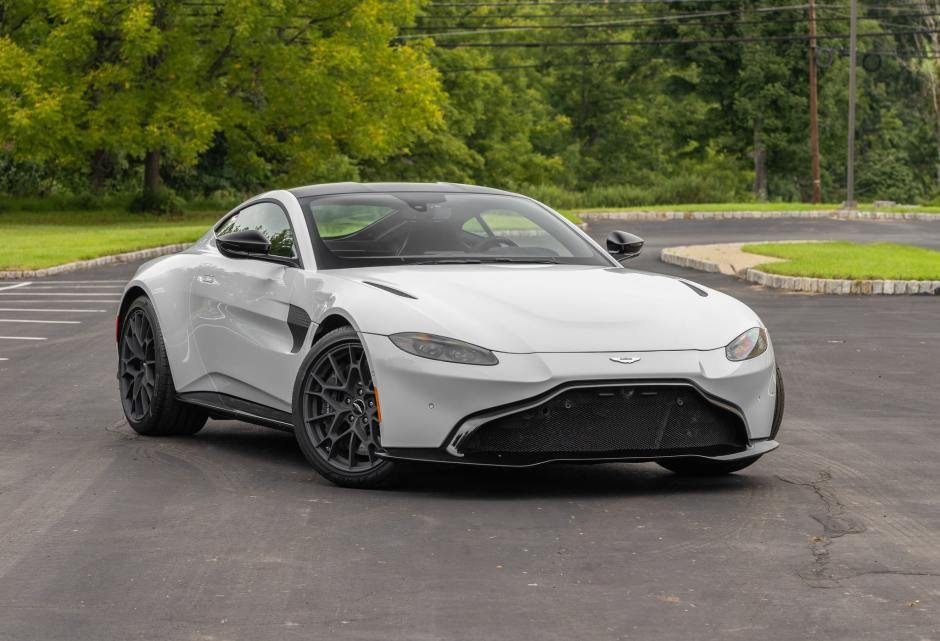
Dacia CEO Urges EU to Freeze Small Car Rules to Cut Prices
In this issue
Business 109
Dacia CEO Urges EU to Freeze Small Car Rules to Cut Prices
Culture 89
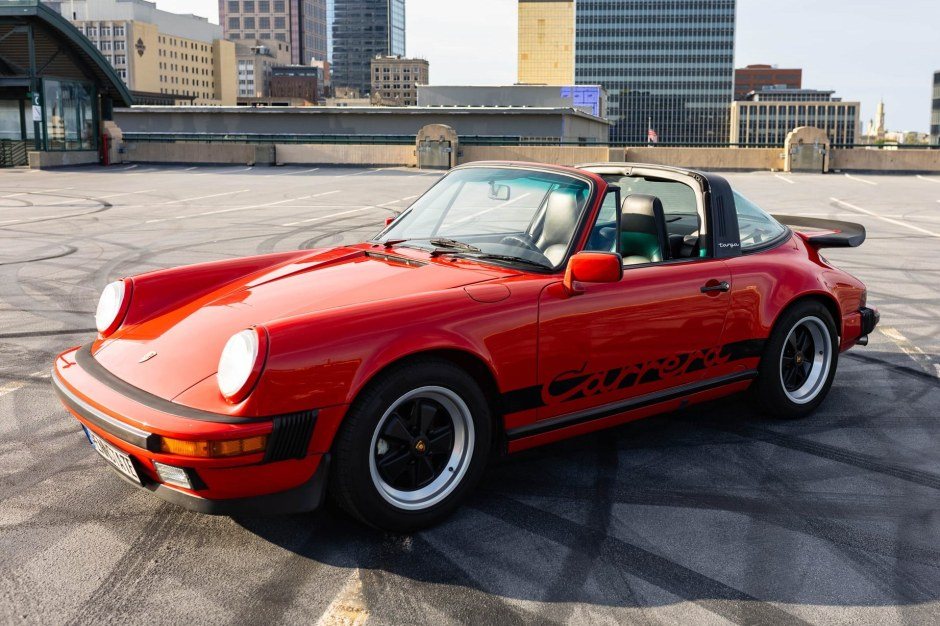
1988 Porsche 911 Carrera Targa G50 with Rebuilt Engine Heads to Auction
Economy 30
HMRC is writing to low earners about pension top-ups averaging about £70
News 124
Aftermarket Trackers Recover 99% of Stolen Cars as Factory Systems Fail
Politics 104
Met police open inquiry into alleged foreign donations to Reform UK
Sports 230
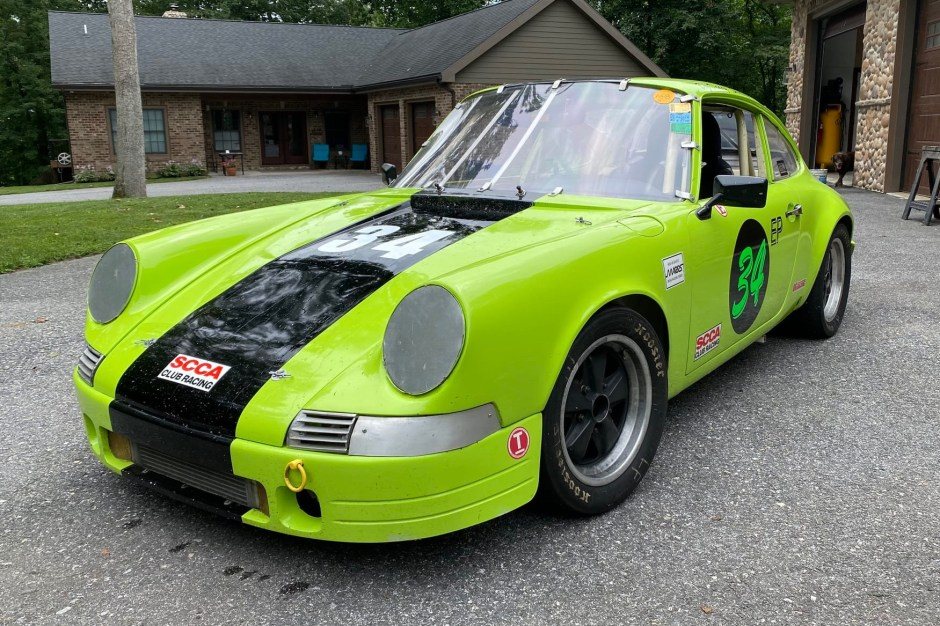
Backdated 1985 Porsche 911 Carrera Race Car Heads to Auction in Pennsylvania
Technology 116
Waymo Expands Driverless Ride-Hailing to Las Vegas
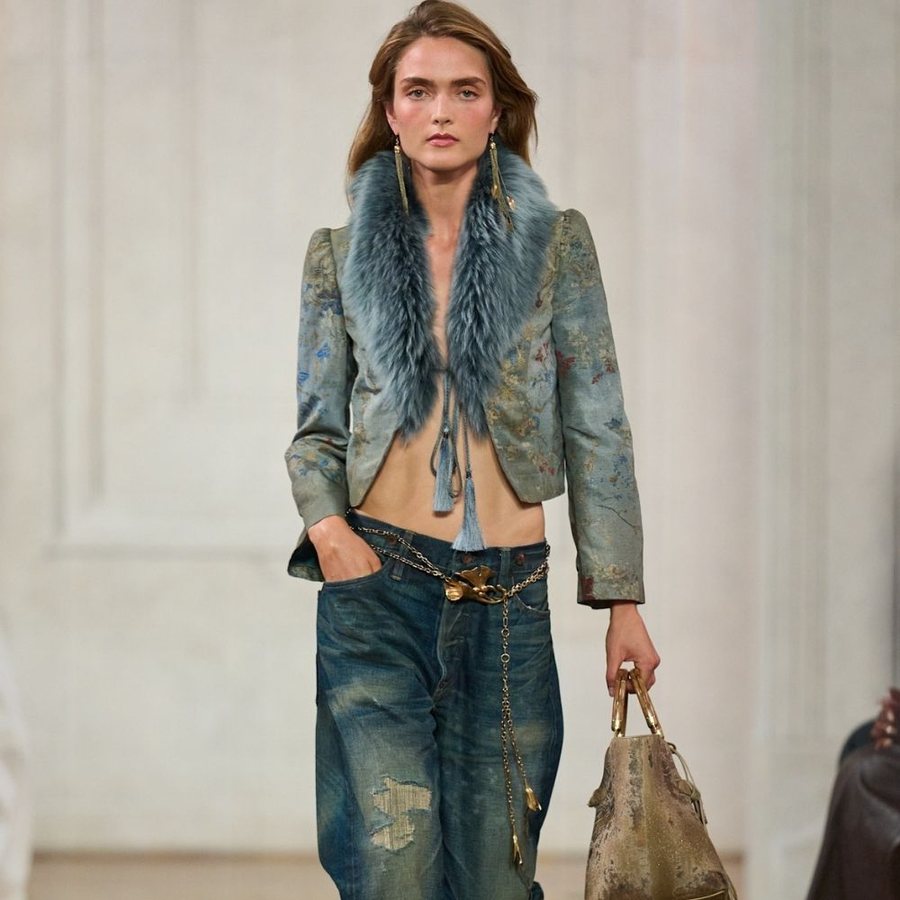
More than 1,200 signatories, including broadcaster Ben Fogle, have backed a letter calling on Andy Burnham to commit to domestic manufacturing of NHS and defence uniforms, arguing the contracts would help preserve Britain's garment industry.
By Eleanor Ellington · 4 min read
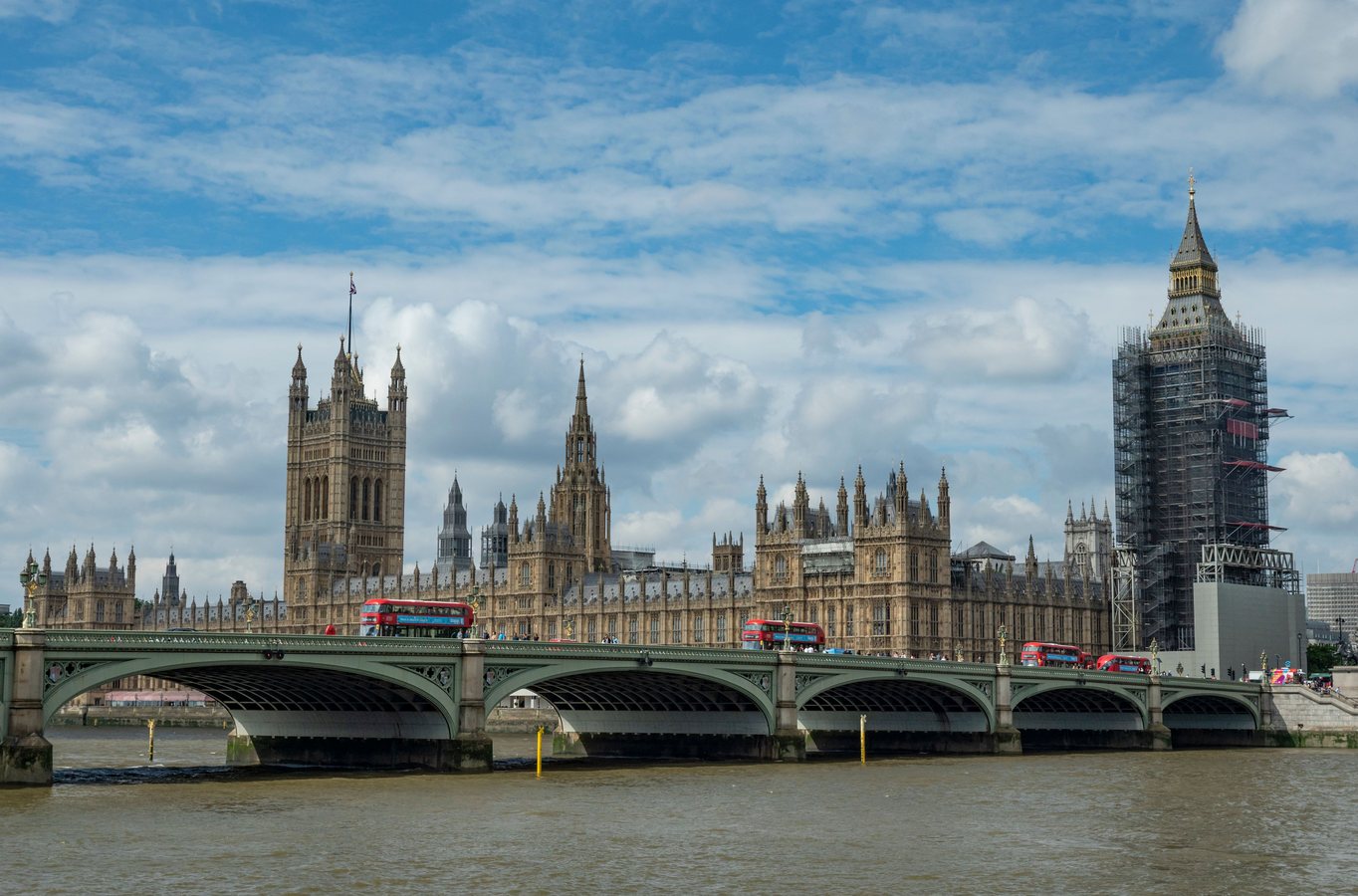
More than 1,200 people, among them the broadcaster and writer Ben Fogle, have signed an open letter urging Andy Burnham to commit to manufacturing NHS and military uniforms within the United Kingdom. The letter was due to be hand-delivered to Downing Street on Wednesday afternoon by the thinktank Fashion Roundtable, which is pressing for domestic contracts to be awarded to British garment makers.
The intervention comes just days before London fashion week, when the industry's attention would normally be fixed on catwalk collections. Instead, Fashion Roundtable has focused on the less glamorous end of the clothing trade — the uniforms worn by British defence forces and NHS staff — arguing that these large public contracts represent a practical route to sustaining domestic manufacturing capacity.
The signatories contend that committing to UK production would help preserve skills, jobs and supply chains that have been eroded over decades of offshoring. The letter frames the procurement of uniforms as a strategic question as much as a commercial one, linking the health of the garment sector to the country's wider industrial base.
Fogle's involvement gives the campaign a recognisable public face. He is among a broad group of supporters drawn from fashion, business and public life who have attached their names to the appeal. The delivery to Downing Street is intended to place the issue directly in front of political leadership at a moment when questions about domestic industry, public spending and national resilience are prominent.
Fashion Roundtable has positioned itself as a voice for the UK fashion and textile industry, and its decision to campaign on uniforms rather than runway fashion reflects a calculation about where government money can make the most difference. Public sector uniform contracts are large, recurring and relatively predictable, making them attractive to manufacturers seeking stable order books.
The letter's central request is straightforward: that Burnham commit to making these uniforms in the UK. Supporters argue that such a commitment would send a signal to the wider manufacturing base, encouraging investment in machinery, training and the specialist skills required to produce garments to public sector specifications.
Critics of domestic procurement often point to cost, and the letter does not set out detailed figures on pricing or how contracts would be structured. Its emphasis is on the principle that public money spent on uniforms should support British industry and British workers, and on the argument that domestic production offers benefits that are not captured by the lowest headline price alone.
The timing of the delivery, in the days before London fashion week, is deliberate. It places an industry argument about manufacturing and procurement alongside the sector's most visible annual showcase, drawing attention to the parts of the clothing trade that rarely feature in coverage of the catwalk.
Whether the appeal translates into policy remains to be seen. The letter's backers are asking for a commitment rather than announcing one, and no response from Burnham was included in the campaign's material. For now, the immediate outcome is a public statement of intent from more than 1,200 people who want the UK's uniforms made closer to home.