Business 227
Musk Plans to Give Every US Child a Share in SpaceX
In this issue
Business 227
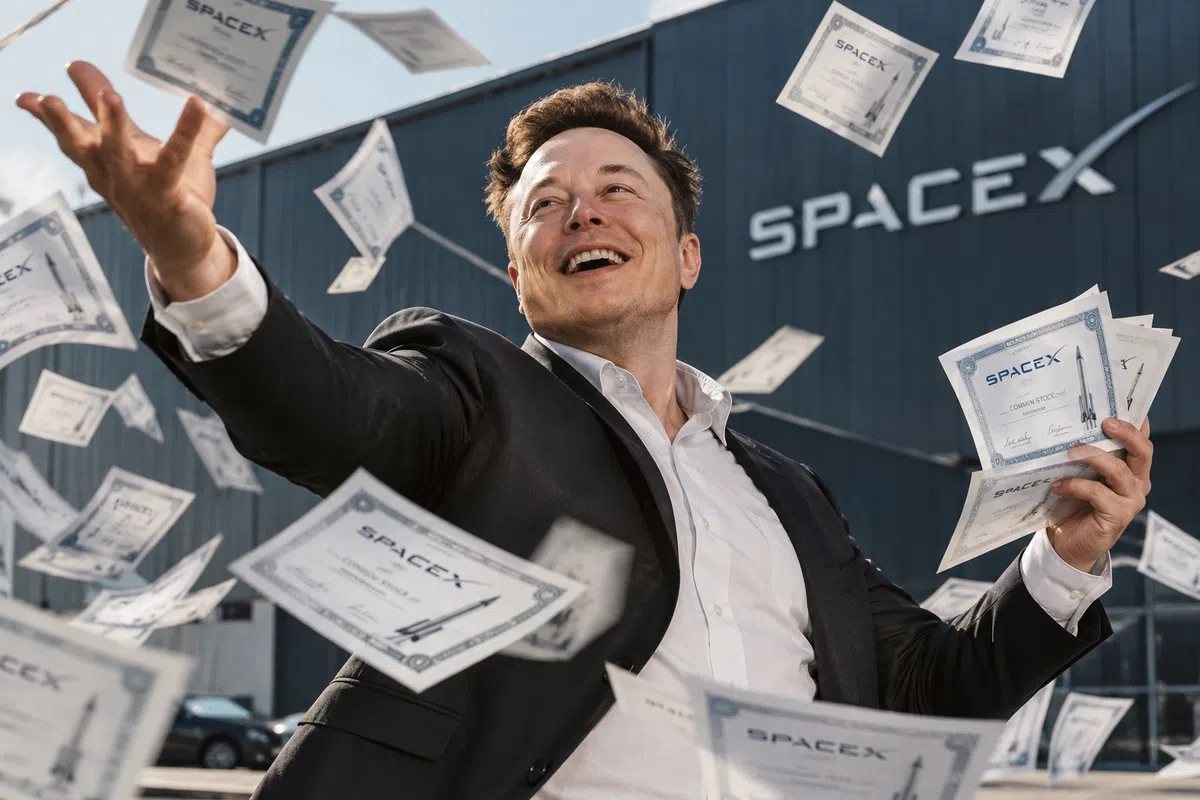
Musk Plans to Give Every US Child a Share in SpaceX
Culture 267
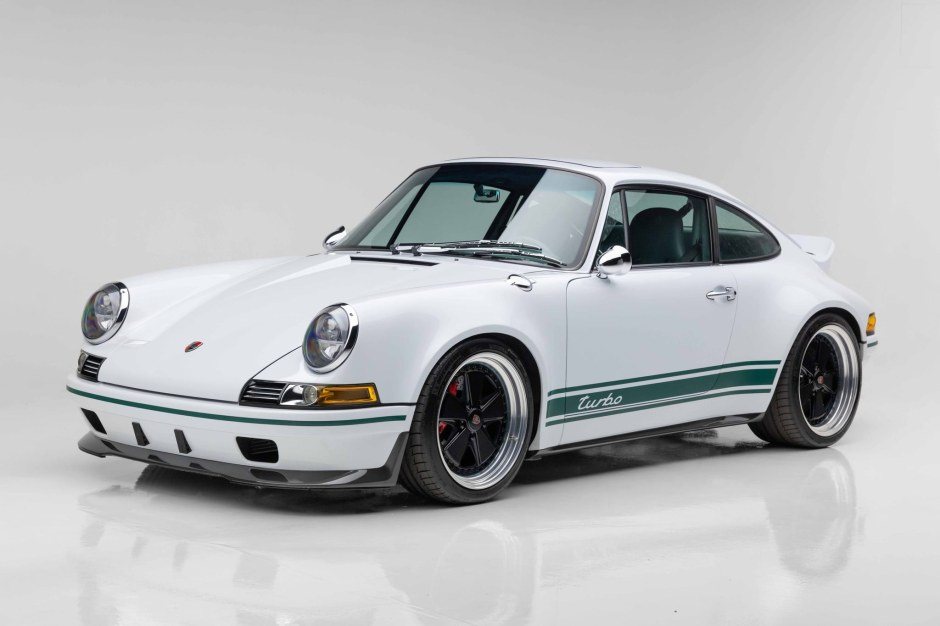
Kaege Retro's Backdated 1997 Porsche 911 Turbo Heads to Auction
Economy 41
German Economists Set Income Threshold for the Upper Class
News 153
Forecasters Issue Winter Snow Verdict for the UK
Politics 115
Burnham launches crackdown on loud music on public transport
Sports 279
Leeds United to Host Manchester United in Premier League Clash
Technology 316
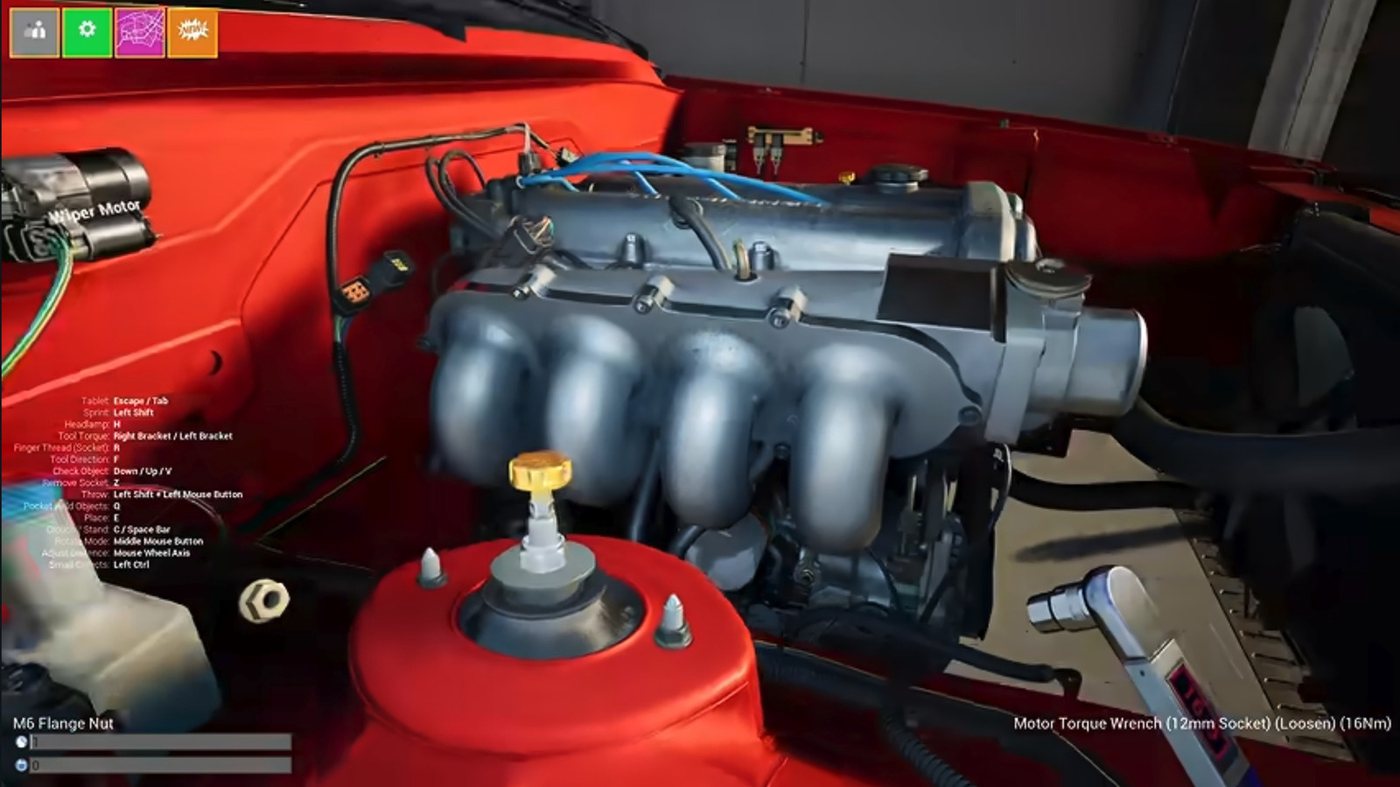
Wrench Game Offers Visual Route Into Car Mechanics
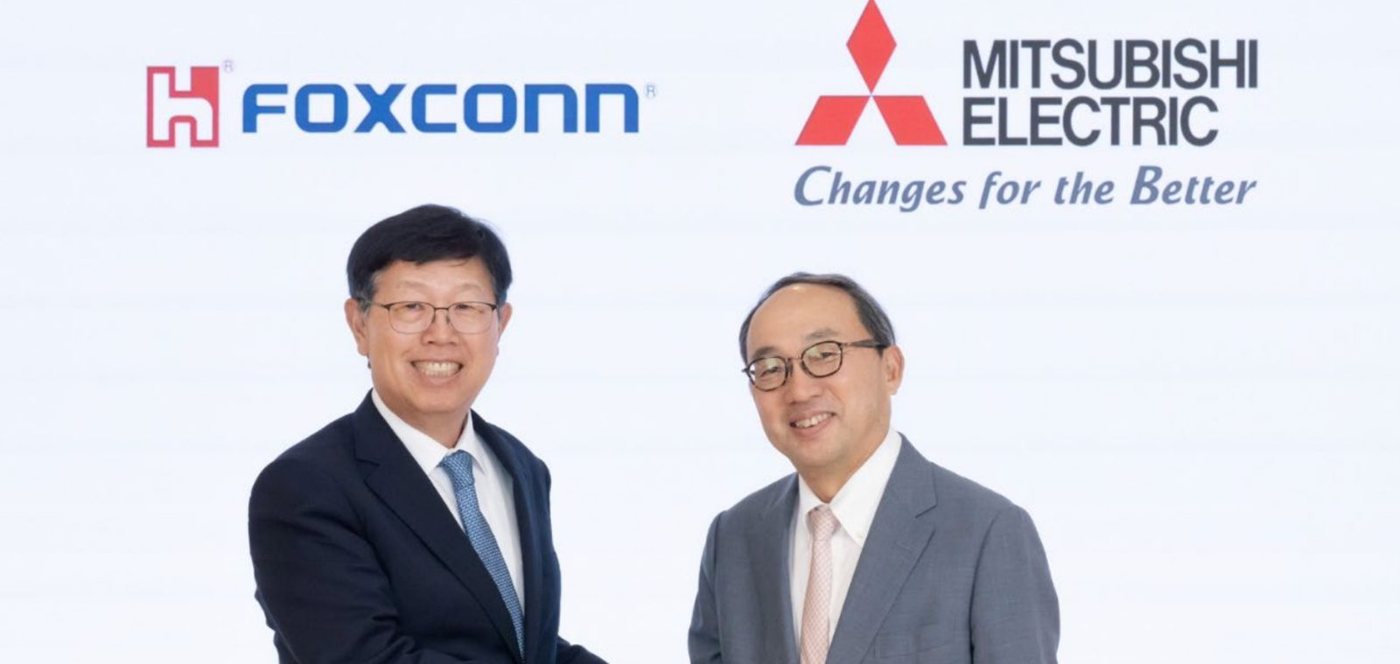
Foxconn is acquiring a 50 per cent stake in Mitsubishi Electric Mobility for ¥115 billion, its largest move yet into the automotive supply chain as it seeks to convert years of electric vehicle ambition into a genuine manufacturing business.
By George Kensington · 4 min read
Foxconn has agreed to buy half of Mitsubishi Electric's automotive components business for ¥115 billion, equivalent to about $727 million, in the Taiwanese manufacturer's most substantial bet yet on building a real position in the car industry. The deal marks a significant step in the company's long-running effort to translate its electric vehicle ambitions into commercial scale.
The business being acquired, Mitsubishi Electric Mobility, is not an electric vehicle manufacturer. It is an established Tier 1 supplier producing conventional components including alternators, ignition coils and radar sensors, alongside a smaller electric powertrain operation. That profile gives Foxconn a broad industrial base and existing customer relationships in the automotive supply chain rather than a direct route into vehicle assembly.
The transaction represents Foxconn's largest commitment to date in the automotive sector, following years in which the company has signalled its intent to become a force in electric vehicles without yet establishing itself as a major carmaker. Buying into a traditional supplier allows the group to acquire manufacturing capability, engineering expertise and access to established vehicle manufacturers, rather than building a car business from scratch.
For Mitsubishi Electric, the sale of a 50 per cent holding in its mobility unit brings in outside capital and a partner with deep electronics manufacturing experience. The Japanese group retains a stake in the business, meaning the two companies will share ownership of a supplier whose products span both conventional combustion-era components and electric drivetrain technology.
The structure of the deal reflects a wider pattern in the global auto industry, where electronics manufacturers and technology suppliers are moving deeper into the vehicle supply chain as cars become increasingly dependent on software, sensors and electrical systems. Radar sensors, one of the unit's product lines, are central to advanced driver assistance systems that are becoming standard equipment on new models in major markets.
Foxconn's move also illustrates the difficulty of entering the car business at the vehicle level. The company has spent years promoting electric vehicle platforms and contract manufacturing arrangements, but the sector remains capital-intensive and dominated by established brands with extensive dealer networks and engineering resources. Acquiring a stake in a proven components supplier offers a more incremental route into the industry.
The electric powertrain business attached to Mitsubishi Electric Mobility is smaller than its traditional components operation, but it is likely to be the area of greatest strategic interest to Foxconn as it seeks to position itself for a shift toward electrified drivetrains. Combining that capability with Foxconn's electronics manufacturing scale could support the development of integrated systems for vehicle makers.
The deal is subject to the usual regulatory and closing conditions, and its completion will be watched closely by competitors in both the electronics and automotive supply industries. For Foxconn, the purchase is a test of whether its manufacturing model can be adapted to the demanding quality, reliability and safety standards of the car industry, where component suppliers are embedded in long-term contracts with vehicle manufacturers.
At ¥115 billion, the transaction is modest by the standards of major automotive mergers, but its significance lies in what it signals about Foxconn's strategy. Rather than waiting for electric vehicle volumes to materialise, the company is buying into an existing supplier with a diversified product range and an established place in the supply chain.
3