
Business 202
Seven Cars With Lease Deals Under £300 a Month
In this issue
Business 202
Seven Cars With Lease Deals Under £300 a Month
Culture 240
140 MINIs Gather at Czech Castle for Record Owners' Meet
Economy 39
Countries Where Petrol Sells for Under $2 a Gallon
News 149
Weekly Exercise Linked to Slower Memory and Movement Decline in Parkinson's Patie…
Politics 111
Trump Names Katie Zacharia as White House Press Secretary
Sports 267
Southampton and Portsmouth Set for Renewed South Coast Meeting
Technology 274
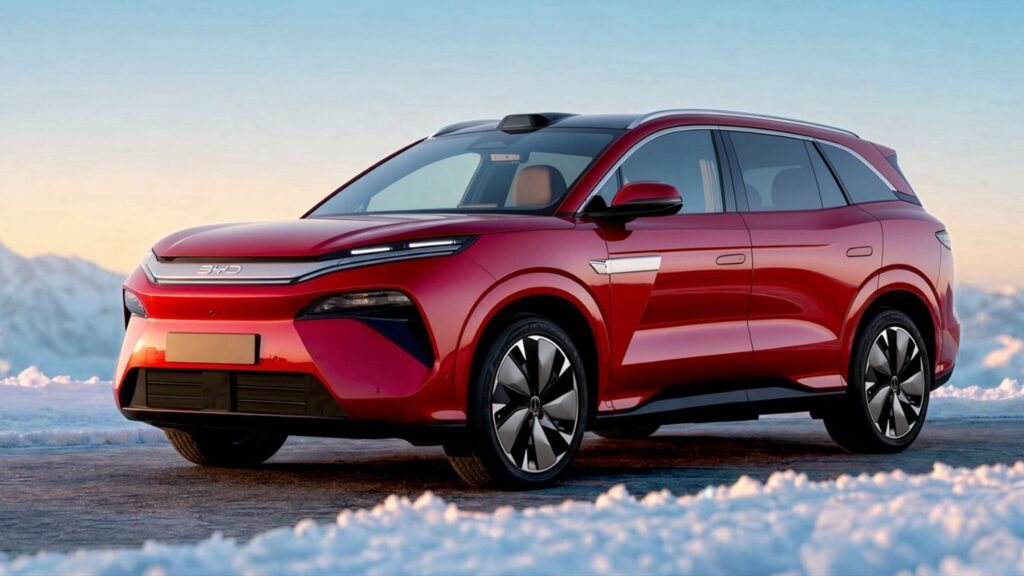
BYD Atto 8 Debuts in Paris with Nine-Minute Charging
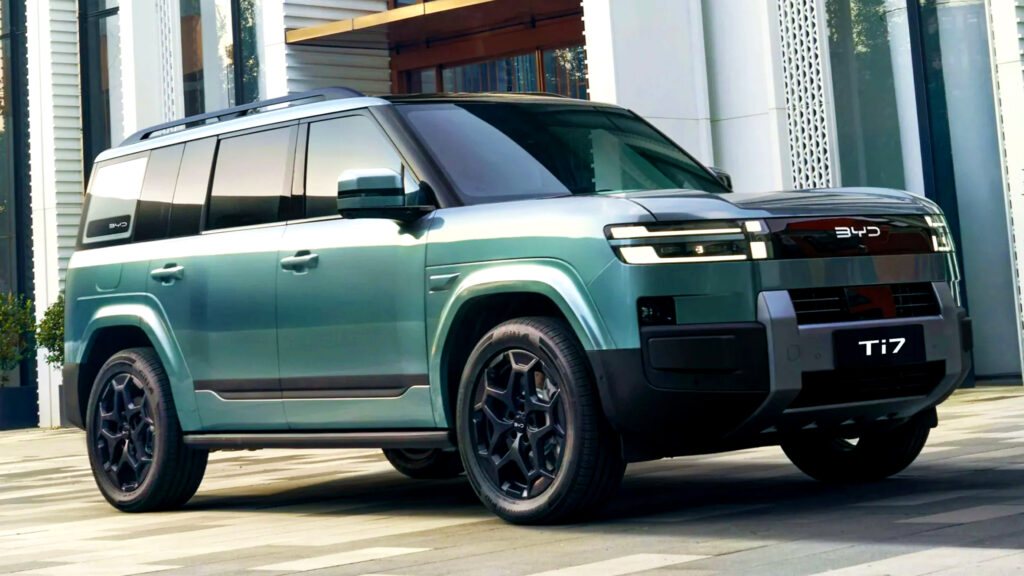
A new Carwow study shows 49% of UK drivers would consider a Chinese brand for their next car, up from 24% in 2023, driven by value for money and growing brand recognition.
By George Kensington · 4 min read
Nearly half of British motorists now say they would consider buying a car from a Chinese brand, according to a new study from online car marketplace Carwow. The research, which surveyed 1,270 Carwow users, found that 49 percent of UK drivers have a Chinese marque on their shortlist for their next vehicle — a sharp rise from the 35 percent recorded earlier this year and the 39 percent reported in the second half of 2025.
The shift marks a dramatic change in consumer attitudes over a relatively short period. In the first half of 2023, just 24 percent of local drivers said they would consider purchasing a Chinese car. The surge in interest has been accompanied by a steep climb in brand awareness, with several manufacturers that were virtually unknown to British buyers just a few years ago now registering strongly in public consciousness.
BYD, the electric vehicle giant, is now familiar to 71 percent of drivers. Jaecoo is recognised by 69 percent, up from 46 percent a year ago, while Omoda has risen from 42 percent to 57 percent over the same period. Chery has made the largest jump, climbing from 16 percent to 50 percent. Xpeng now registers with 20 percent of drivers, more than double the 8 percent it managed in 2023. The share of respondents who recognised none of the Chinese brands on the list has also shrunk, falling from 23 percent in the second half of 2025 to 16 percent today.
Value for money appears to be the primary driver of this growing appeal. Forty-two percent of drivers cite value for money as the motivating factor to buy a Chinese car, up from 36 percent in the first half of 2026. Competitive discounts are an attraction for 28 percent, while 19 percent say the additional EV model options from Chinese brands have drawn them in.
The readership data from Carwow’s reviews is equally telling. This year, 70 percent of the platform’s most-read reviews are for Chinese models, up 40 percent from two years ago. With the exception of the BMW iX3, which was the most-read car review, Chinese cars occupied the next seven positions. Popular models included the Jaecoo 7, Chery Tiggo 8, BYD Seal, Jaecoo 8, Omoda 5, BYD Seal U, and Chery Tiggo 7.
Ben Carter of Carwow said the trend reflects a deeper change in buyer psychology rather than simply a response to economic pressure. “The dramatic increase in UK drivers considering Chinese brands on our platform isn’t just about cost-of-living pressures or lower price tags, it’s a shift in how people think about their cars,” he said. “Buyers are leaving badge loyalty behind and looking for impressive tech and great value.”
The findings underline how quickly the British car market has opened up to Chinese manufacturers, which have invested heavily in distribution, marketing, and model line-ups tailored to European tastes. With awareness still climbing and the share of drivers who recognise no Chinese brands continuing to fall, the sector appears poised for further growth in the coming years.
62