
Business 202
Seven Cars With Lease Deals Under £300 a Month
In this issue
Business 202
Seven Cars With Lease Deals Under £300 a Month
Culture 236
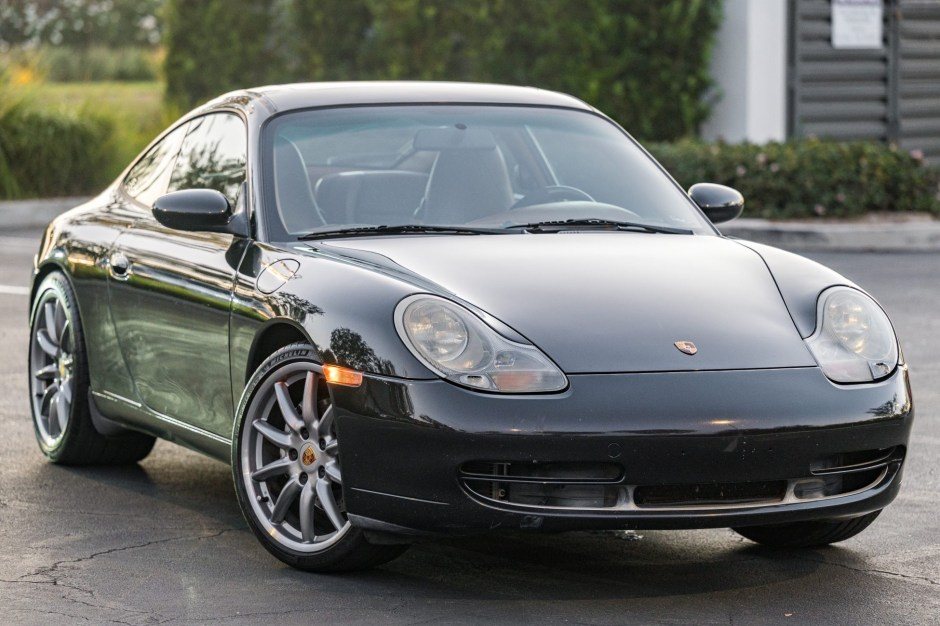
Porsche 911 Millennium Edition Heads to Auction With 117k Miles
Economy 38
Diesel at Nearly £11 a Gallon Prompts Calls for VAT Cut at the Pumps
News 149
Weekly Exercise Linked to Slower Memory and Movement Decline in Parkinson's Patie…
Politics 111
Trump Names Katie Zacharia as White House Press Secretary
Sports 267
Southampton and Portsmouth Set for Renewed South Coast Meeting
Technology 269
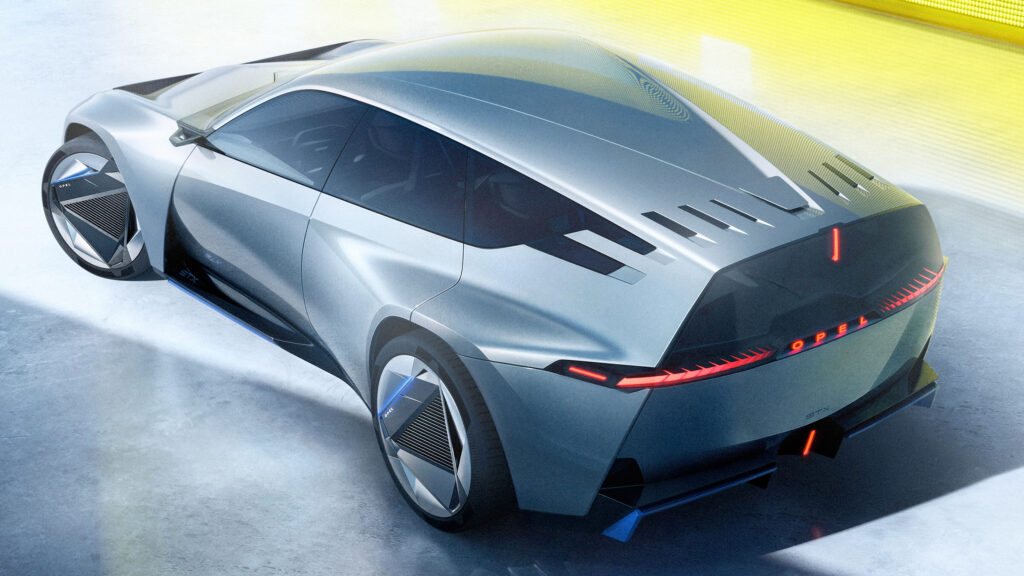
Opel Unveils STX Concept to Keep the Estate Alive in the Electric Era
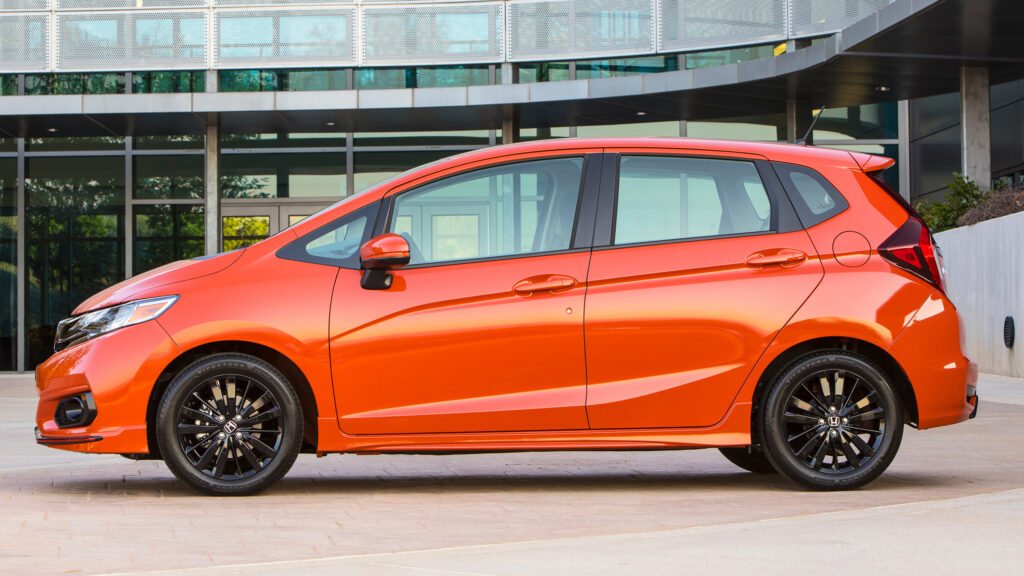
Honda has not ruled out bringing the Fit hatchback back to the US market, with a senior sales executive acknowledging there is an opportunity for the model despite the success of the Civic and HR-V as entry-level alternatives.
By Charlotte Redford · 3 min read
Honda has indicated it could consider returning the Fit hatchback to the United States, nearly six years after the model was discontinued in the market. The admission came from Lance Woelfer, an American Honda sales executive, during a recent conversation with US media, in which he said the company sees potential in reviving the small car.
“I think there’s opportunity there; it’s always something we can consider and look at,” Woelfer told Road & Track. His comments follow the Fit’s removal from the US line-up after the 2020 model year, a decision that left a gap in Honda’s entry-level offering that has since been filled by the Civic and the HR-V crossover.
Woelfer acknowledged that the current entry-level models are performing strongly, noting that consumer demand for both the Civic and HR-V exceeds production capacity. “There’s a lot of customer interest in additional products from American Honda,” he said. “I think from an affordability standpoint, we’re pretty well positioned with the Civic. And with the HR-V. It gives us great entry-level products that consumers, basically, want more than we can build; there’s definitely demand, and we can increase capacity.”
The executive also pointed to shifting consumer preferences as a key factor in the Fit’s absence. Ongoing movement away from passenger cars toward crossovers and SUVs has allowed the HR-V to absorb much of the demand that once went to the Fit. “[The Fit] was a great product, and good at the time, but I think the HR-V fills most of those customers’ needs,” he said.
Despite its exit from the US, the Fit continues to be sold in other markets, where it remains in its fourth generation. Global sales have declined significantly from their peak, with fewer than 50,000 units sold last year compared with more than 100,000 a decade ago. The model still retains a loyal following, and Honda recently refreshed the Fit for the Japanese market with a starting price of around $11,000.
The possibility of a US return comes amid broader industry pressure to offer more affordable vehicles, particularly as cost-of-living concerns weigh on consumers. Automakers have been reassessing their line-ups to balance profitability with demand for lower-priced models, and Honda’s comments suggest the Fit could be part of that calculation in the future.
For now, Honda appears content with its current strategy, relying on the Civic and HR-V to anchor its entry-level range. But Woelfer’s remarks leave the door open for the Fit to make a comeback, should market conditions or consumer demand shift in its favour.
69