Business 182
BYD's flagship electric SUV tops 10,000 sales for three straight months
In this issue
Business 182
BYD's flagship electric SUV tops 10,000 sales for three straight months
Culture 210
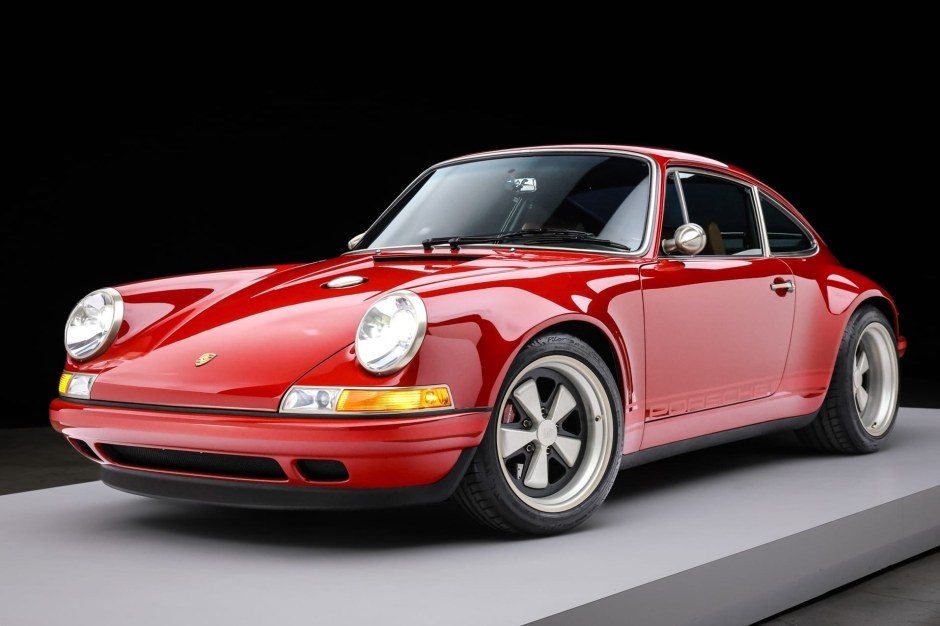
Singer-Restored 1990 Porsche 911 Carrera Heads to Auction at No Reserve
Economy 36
G7 Agrees to Release 100 Million Barrels of Diesel and Crude Oil to Ease Price Su…
News 145
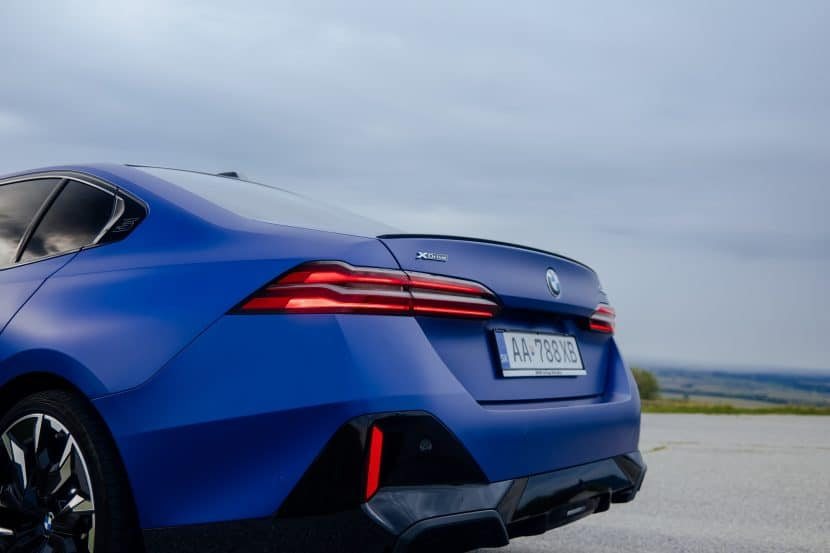
NSW Police Trials BMW 540d as Highway Patrol Car
Politics 110
Trump Urges Republicans to Vote by Mail After Years of Criticising the Practice
Sports 260
Falcons thrash Saints 45-24 as New Orleans marks 20 years since Katrina return
Technology 229
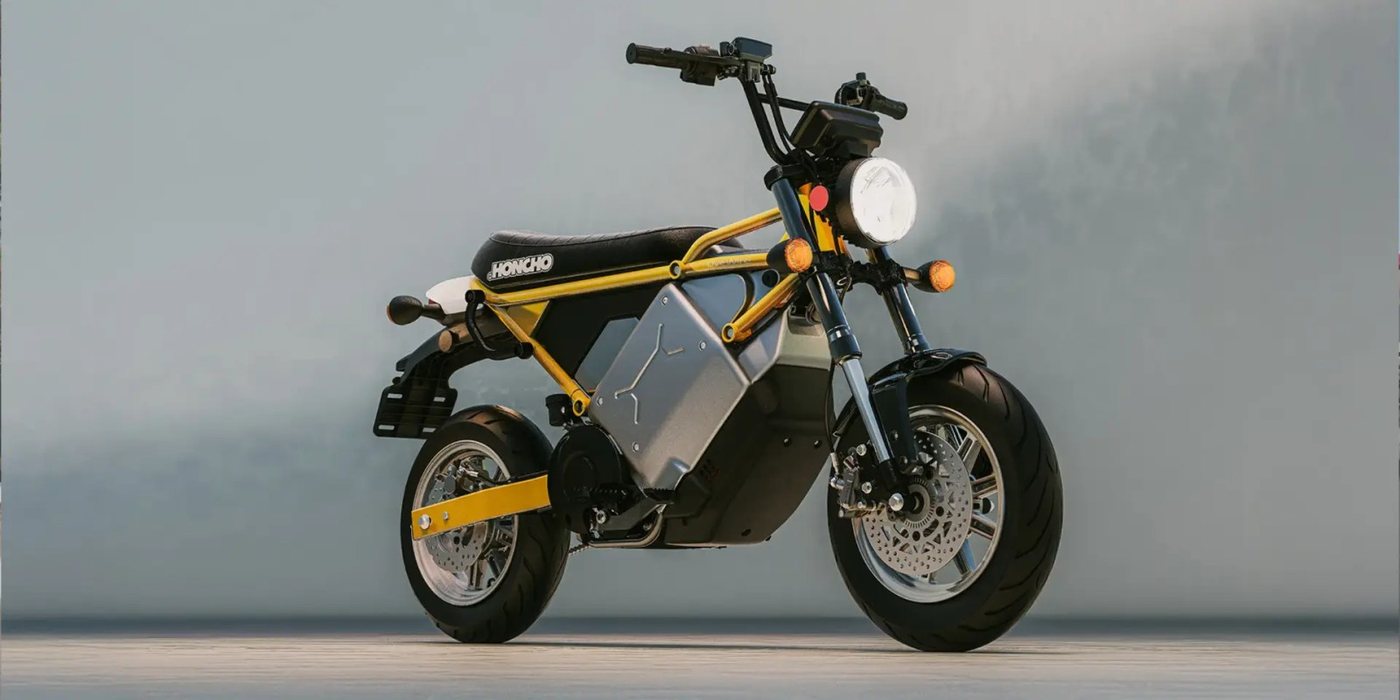
LiveWire S4 Honcho Street Approved for Rider Training Programmes
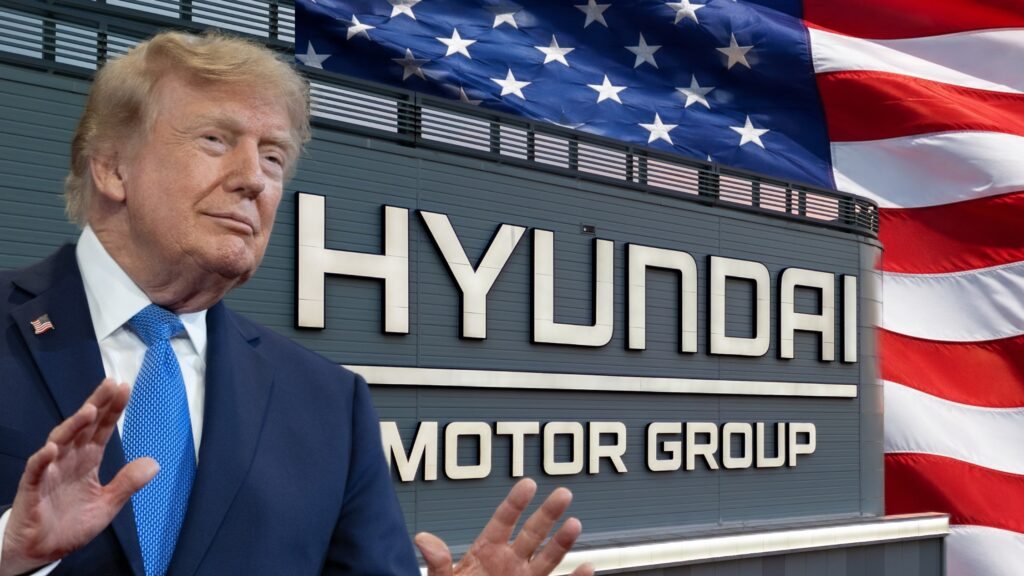
Hyundai is considering boosting its Georgia Metaplant capacity to as many as 800,000 vehicles a year by 2028, a move that would make it the largest vehicle assembly operation in the United States. CEO Jose Muñoz said tariffs on South Korean imports are accelerating the automaker’s plans to localise production.
By George Kensington · 3 min read
Hyundai is considering expanding its new Georgia manufacturing complex to build as many as 800,000 vehicles a year by 2028, a move that would make it the largest car assembly plant in the United States. Chief executive Jose Muñoz confirmed the possibility after the debut of the Genesis GV90 flagship SUV, stressing that no final decision has been made.
The expansion would be part of Hyundai’s previously announced $26 billion US investment programme, which runs through 2028 as the company rapidly shifts production closer to American buyers. The Georgia site, known as the Metaplant, currently has capacity for around 500,000 vehicles annually and already builds the Hyundai Ioniq 5 and Ioniq 9 electric models alongside the Kia Sportage Hybrid.
Muñoz told CNBC that Hyundai is targeting at least 80 percent of its American sales to be locally produced by the end of the decade, up from roughly 40 percent in 2024. He described the United States as Hyundai’s “most important market in the world besides Korea” and said the company needs additional capacity to support a wave of new models planned for North America.
President Trump’s tariffs are adding urgency to those plans. Imports from South Korea currently face a 15 percent tariff, and Muñoz acknowledged that those costs are encouraging Hyundai to accelerate localisation efforts that were already underway before the trade measures were introduced.
Hyundai announced the Georgia facility in 2022 and has since expanded its ambitions for the $7.6 billion site. The company is also examining further US investment specifically for body-on-frame trucks and sport utility vehicles, although Muñoz declined to provide details about where that capacity might be located.
The automaker recently unveiled the Boulder concept, a rugged ladder-frame SUV that previews the architecture beneath a new American-focused midsize pickup due by 2030. That truck is being developed and built in the United States with locally sourced steel, and a production SUV inspired by the Boulder is widely expected to follow.
Such a move would put Hyundai in direct competition with established players in the midsize truck and SUV segment, including the Ford Ranger and Bronco, Toyota Tacoma and 4Runner, and Jeep Wrangler. Hyundai’s momentum in the American market has been building steadily, with its combined US market share, including Kia, rising from 8.4 percent in 2020 to 11.2 percent last year. Combined sales have grown by nearly half over the same period.
55