Business 182
BYD's flagship electric SUV tops 10,000 sales for three straight months
In this issue
Business 182
BYD's flagship electric SUV tops 10,000 sales for three straight months
Culture 210
Singer-Restored 1990 Porsche 911 Carrera Heads to Auction at No Reserve
Economy 36
G7 Agrees to Release 100 Million Barrels of Diesel and Crude Oil to Ease Price Su…
News 145
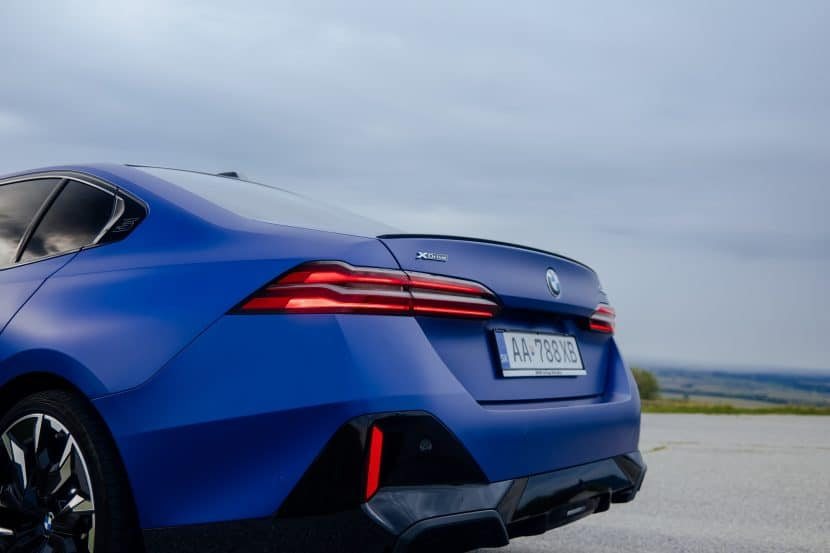
NSW Police Trials BMW 540d as Highway Patrol Car
Politics 110
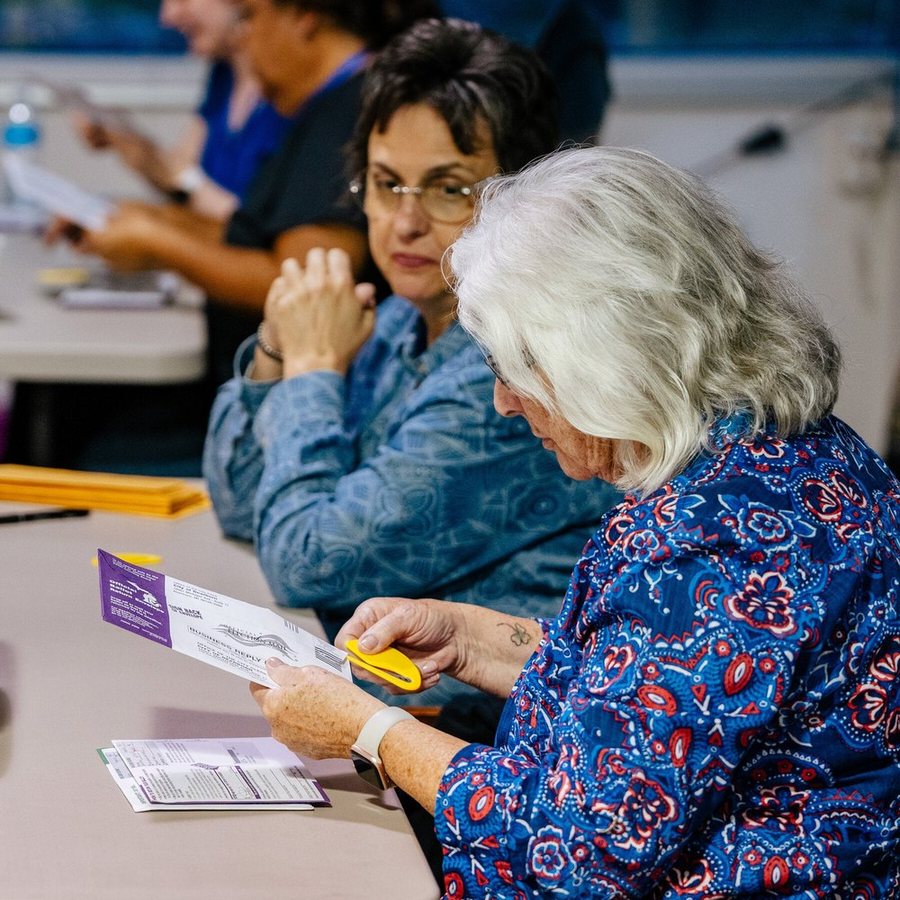
Trump Urges Republicans to Vote by Mail After Years of Criticising the Practice
Sports 260
Falcons thrash Saints 45-24 as New Orleans marks 20 years since Katrina return
Technology 229
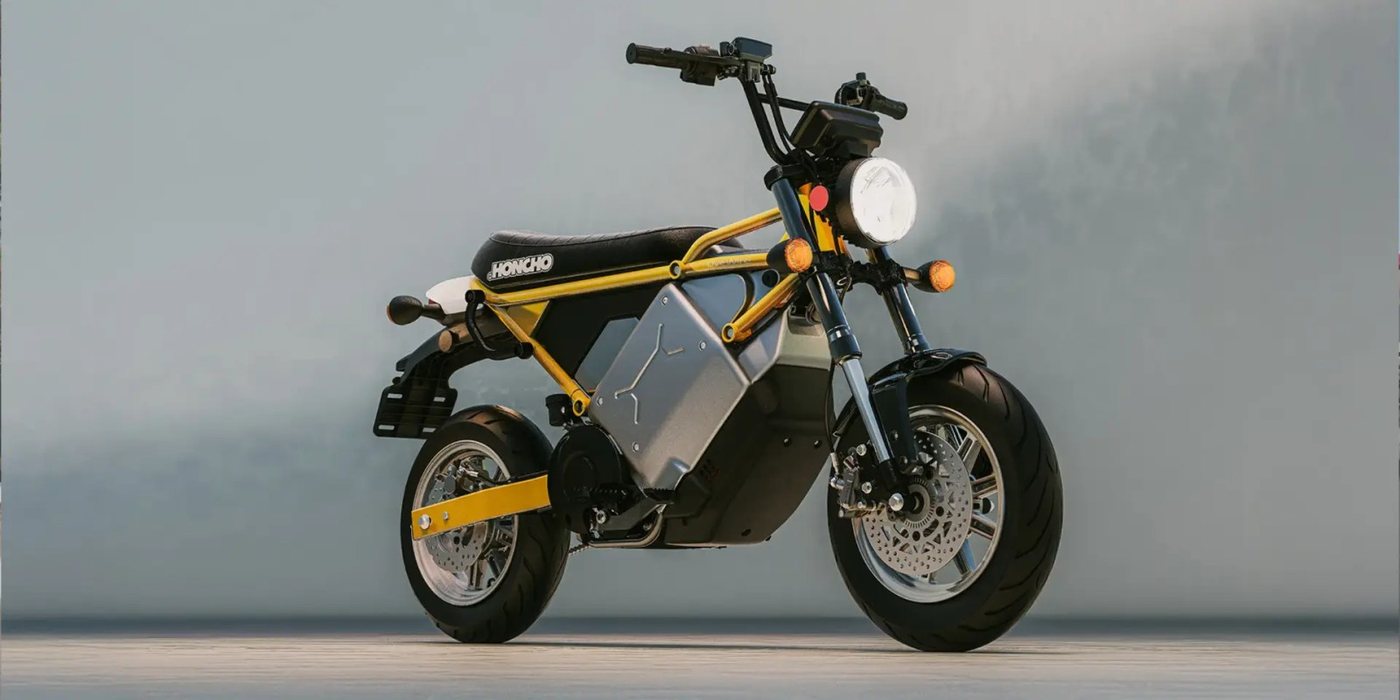
LiveWire S4 Honcho Street Approved for Rider Training Programmes
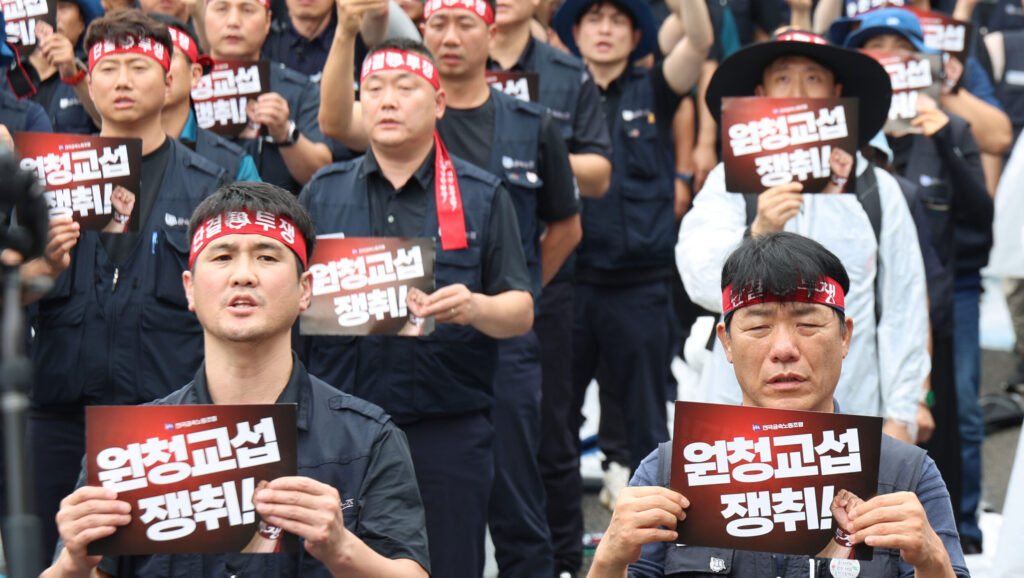
Around 40,000 Hyundai union members joined by Kia and supplier employees walked off the line in South Korea, demanding higher retirement age, bigger bonuses, and protections against automation as the company prepares to deploy Boston Dynamics robots at its plants.
By Edward Beaumont · 4 min read
Hyundai and Kia employees in South Korea have walked off the assembly line in their first full strike in a decade, joined by workers from supplier companies as all three groups press for better pay, job security, and protections against the coming wave of factory automation. Around 40,000 union members from Hyundai alone are expected to take part in the one-day action, with a delegation holding a rally outside the company's headquarters.
The strike is the latest escalation in a series of labour disruptions that began in July with partial walkouts, which have already impacted the production of roughly 55,200 vehicles worth more than $1.67 billion. Union leaders say the action is designed to highlight three core demands: raising the mandatory retirement age beyond the current level of 60, securing larger bonuses, and winning stronger job protections against automation and artificial intelligence.
The automation concern is not hypothetical. Hyundai Motor Group is preparing to introduce robots from Boston Dynamics at its plants starting in 2028, and the company has confirmed that the Atlas robot will enter service at Hyundai Motor Group Metaplant America within two years. Initially, the robot will support parts sequencing tasks, but Hyundai expects the machine to become more capable over time and eventually handle component assembly by 2030.
That timeline has sharpened anxiety among workers who fear robots could replace human employees as the company seeks to cut costs and boost productivity. Park Sang-man, chairman of the Korean Metal Workers' Union, framed the strike in broader terms, saying it is intended to protect the roots of Korea's automobile industry and uphold the dignity of labour. The union noted that the joint action involved employees from approximately 50 sites across the country.
The dispute reflects a wider tension in South Korea's industrial landscape, where manufacturers are racing to adopt automation while an ageing workforce pushes for extended careers and income security. Hyundai has not publicly commented on the financial impact of the strike, but the production losses already recorded in July's partial actions suggest the full walkout will add further pressure on the company's output and supply chain.
For the workers, the stakes are both immediate and long-term. A higher retirement age would allow older employees to remain in the workforce longer, while stronger job protections would offer some reassurance against the prospect of robot-led restructuring. The union's decision to include supplier employees in the action signals an effort to build solidarity across the industry rather than confining the dispute to Hyundai's own plants.
The one-day strike is unlikely to resolve the underlying disagreements, and both sides appear to be bracing for further negotiations. With the Atlas robot deployment still two years away, the union has time to press its case, but Hyundai's commitment to automation suggests the company is not planning to slow its technological push. The coming months will show whether the two sides can find common ground before the robots arrive on the factory floor.
60