Business 291
Used electric cars are selling faster than petrol and hybrid models
In this issue
Business 291
Used electric cars are selling faster than petrol and hybrid models
Culture 320
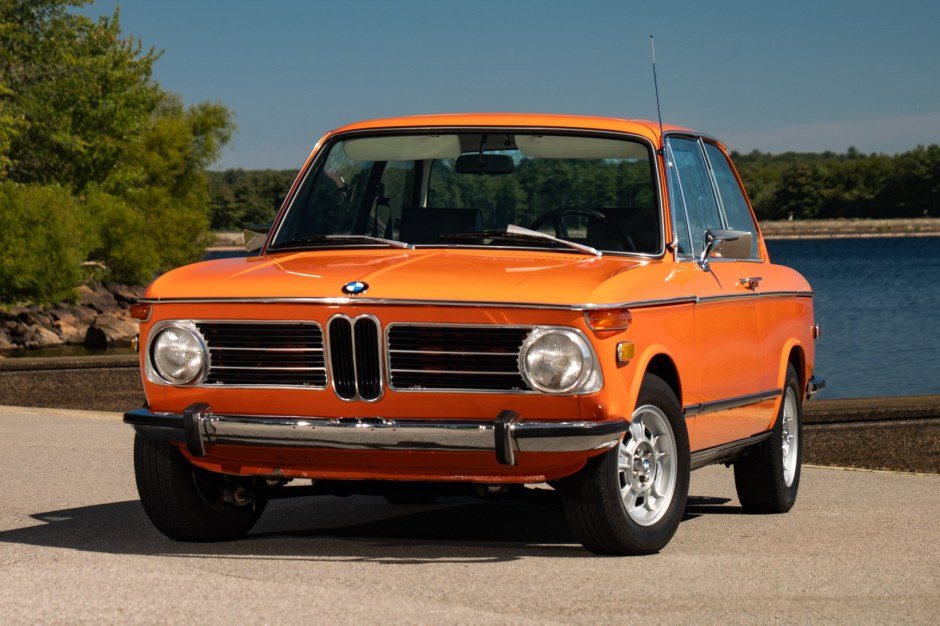
Restored 1973 BMW 2002tii offered in New Hampshire after US return from Canada
Economy 48
Three Tankers Reportedly Strike Mines in Strait of Hormuz
News 161
Private parking firms face pressure as UK motorists call for fairer rules
Politics 121
Burnham denies stopping ministers from discussing closer EU ties
Sports 290
Tottenham meet Crystal Palace in Premier League fixture on 31 October
Technology 347
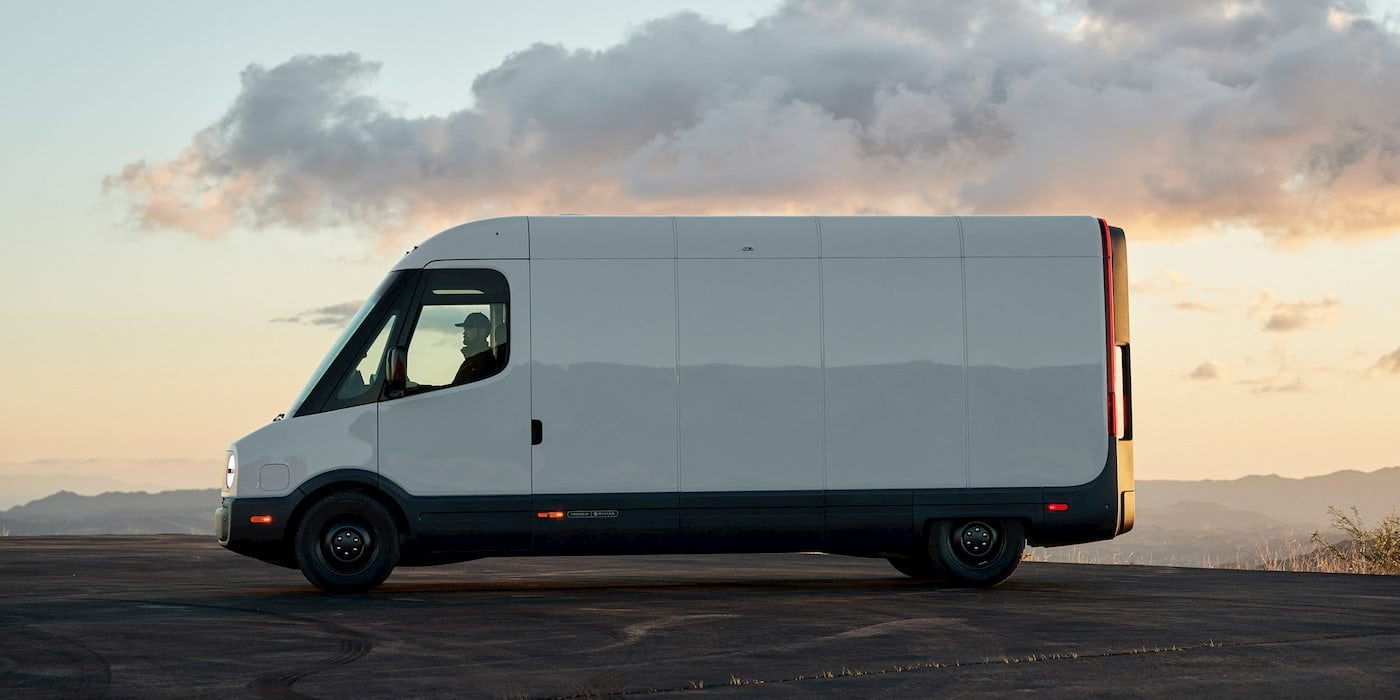
Rivian Delivers Electric Van Update With 30% More Range and AWD
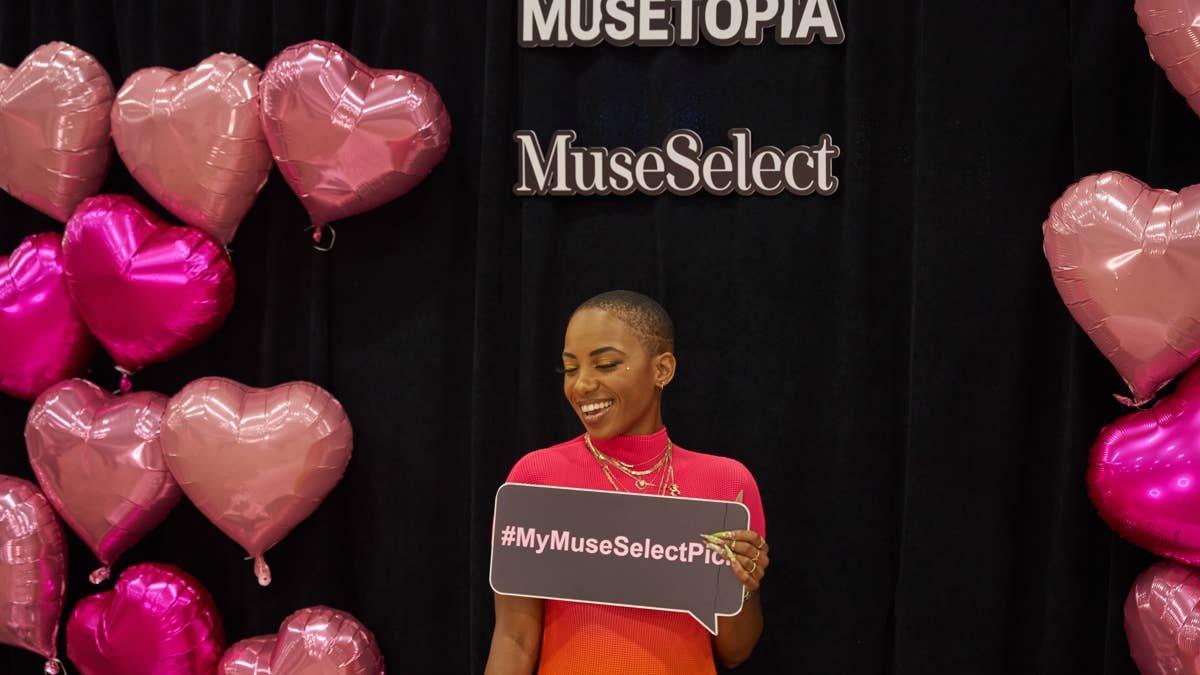
MuseSelect has launched its US Creator Fashion Market at CoCreate LA, offering over 5,000 styles from more than 100 brands and affiliate commissions of up to 25%, alongside a three-year plan to help 1,000 creators build their own labels.
By Edward Beaumont · 3 min read
MuseSelect has launched its US Creator Fashion Market at CoCreate LA, bringing more than 5,000 autumn and winter styles from over 100 brands to fashion creators. The platform is betting that higher commissions and a greater ownership stake can shift the economics of creator commerce, where influence is growing but financial capture remains limited.
Affiliate commissions on MuseSelect start at 15% and can reach about 25%. Creators can also use Museland, the company’s product-development tool, to select silhouettes, create original graphics and sell those products through the consumer marketplace MuseTopia. Designs originated by creators earn an additional 3% royalty.
The launch comes as US social commerce sales are expected to surpass $100 billion this year, according to eMarketer, while affiliate links account for just 8.2% of US creator earnings. Sponsored content remains the dominant model, and in both cases creators typically generate demand without owning the product, the customer relationship or the underlying brand. MuseSelect is trying to push that model further by giving creators a larger share of the economics and a route to ownership.
At CoCreate, the approach became tangible. Creators moved through small-group sessions to review brands, select and fit products, shoot content and refine their edits. Demonstrations showed an AI-generated pattern becoming a finished garment and a storefront being built around a creator’s previous selections and audience profile.
MuseSelect also uses creators as an early demand signal. Styles can be tested through community pre-sales before suppliers commit to larger production runs, potentially reducing excess inventory while giving creators more influence over what reaches market.
The company says roughly 10,000 creators have registered in the past two months. In a US pilot, 10 storefronts generated nearly $300,000 over three months, including more than $100,000 from one creator.
MuseSelect has also unveiled Muse 1000, a three-year initiative designed to help 1,000 creators launch labels of their own. The company’s bigger wager is that some creators are ready to move from influencing fashion businesses to building their own.
«Creators have become one of the most powerful forces shaping what consumers discover and buy,» said MuseSelect CEO Ricky Xie. MuseSelect is operated by Musetech Inc.
57