

Business 206
Volkswagen to Halve Model Range by 2035 Through Natural Transition
In this issue
Business 206
Volkswagen to Halve Model Range by 2035 Through Natural Transition
Culture 249
Beck-Built Lister-Chevrolet Knobbly Re-Creation Heads to Market
Economy 39
Countries Where Petrol Sells for Under $2 a Gallon
News 151
US Safety Agency Investigates 535,000 GMC Sierra Trucks Over Grille Deflector Fau…
Politics 113
Trump Appoints Barbera Thornhill to Lead US Anti-Trafficking Office
Sports 270
Wrexham to Host West Bromwich Albion in October Clash
Technology 286
ZF Lifetec Develops Seatbelt Tech That Checks If You're Wearing It Correctly
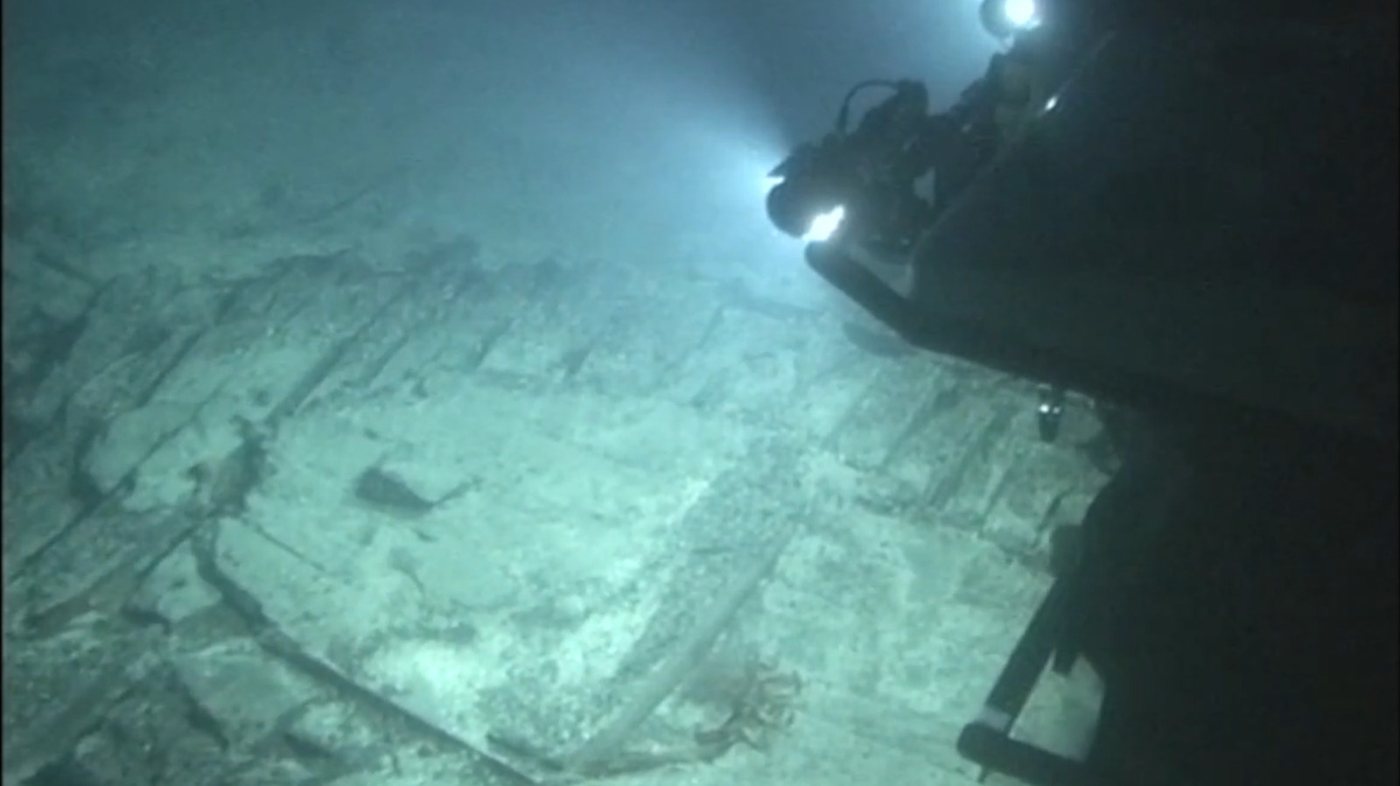
A centuries-old shipwreck discovered on the ocean floor forced the Ormen Lange natural gas pipeline consortium to reroute and reinforce its construction, adding millions to the project's budget.
By Eleanor Ellington · 5 min read
A ship that had rested on the seafloor for more than 250 years suddenly came into view during survey work, and the consortium building a nearby natural gas pipeline was left to absorb the cost. The discovery, made during the construction of the Ormen Lange pipeline off the coast of Norway, forced engineers to alter their plans and spend millions of pounds extra to protect both the pipeline and the historic wreck.
The Ormen Lange field, one of Norway's largest natural gas reserves, lies in the Norwegian Sea about 100 kilometres north-west of Kristiansund. The pipeline, which carries gas from the field to the processing plant at Nyhamna and then on to the United Kingdom, was designed to run across a stretch of seabed that had been carefully mapped before work began. But the wreck, which had settled on the ocean floor unnoticed for centuries, was only identified once detailed sonar surveys were completed ahead of laying the pipe.
Marine archaeologists were called in to examine the site, and they determined that the vessel was a sailing ship from the 18th century, likely a merchant vessel that had gone down in a storm or after hitting a reef. The wreck was deemed to have significant historical value, and Norwegian cultural heritage laws require that such sites be protected from disturbance. That left the consortium with two options: reroute the pipeline around the wreck, or reinforce the section of pipe that would pass nearby to ensure that construction and operation would not damage the remains.
The consortium, which includes energy companies such as Shell, Statoil (now Equinor), and Petoro, chose a combination of both. The pipeline was shifted slightly to increase the distance between the pipe and the wreck, and additional rock placement and concrete mattresses were used to stabilise the seabed and protect the pipe from any movement. The extra work added millions of pounds to the project's cost, though the consortium has never disclosed the exact figure.
The Ormen Lange pipeline, which became operational in 2007, is one of the longest subsea gas pipelines in the world, stretching more than 1,200 kilometres from Nyhamna to the receiving terminal at Easington in East Yorkshire, England. It supplies around 20 per cent of the UK's natural gas needs, making the project strategically important for British energy security. The shipwreck, while a costly inconvenience, did not delay the overall schedule significantly, and the pipeline was completed on time.
The incident highlights the challenges of building major infrastructure in the sea, where the seabed is often less well understood than land-based terrain. Modern survey techniques, including multi-beam sonar and remotely operated vehicles, have reduced the risk of such discoveries, but they cannot eliminate it entirely. For the Ormen Lange consortium, the wreck was a reminder that even the most carefully planned engineering projects can be upended by a piece of history lying just beneath the surface.
Norwegian authorities have since designated the wreck as a protected cultural heritage site, and it remains on the seabed, undisturbed by the pipeline that now runs nearby. The consortium's decision to protect the wreck rather than remove it was in line with both legal requirements and a broader industry trend towards respecting underwater cultural heritage. Similar discoveries have affected other projects around the world, from wind farms in the North Sea to cable routes in the Baltic, where old shipwrecks and even prehistoric settlements have forced developers to adjust their plans.
For the companies involved, the extra cost was a price worth paying to avoid the legal and reputational damage that could have come from damaging a historic site. The Ormen Lange pipeline continues to operate today, delivering gas to British homes and businesses, while the old ship rests in peace a short distance away, a silent witness to the intersection of modern industry and ancient history.
61