Business 201
Geely Confirms Canadian Launch for 2027
In this issue
Business 201
Geely Confirms Canadian Launch for 2027
Culture 229
Rare 1993 AM General Hummer Heads to Auction
Economy 37
Russia's EV Share Overtakes US as Fuel Shortages Bite
News 149
Weekly Exercise Linked to Slower Memory and Movement Decline in Parkinson's Patie…
Politics 111
Trump Names Katie Zacharia as White House Press Secretary
Sports 265
Southampton to Host Portsmouth in Scheduled Fixture on 11 October 2026
Technology 261
2025 BMW M2 with Six-Speed Manual Listed for Sale
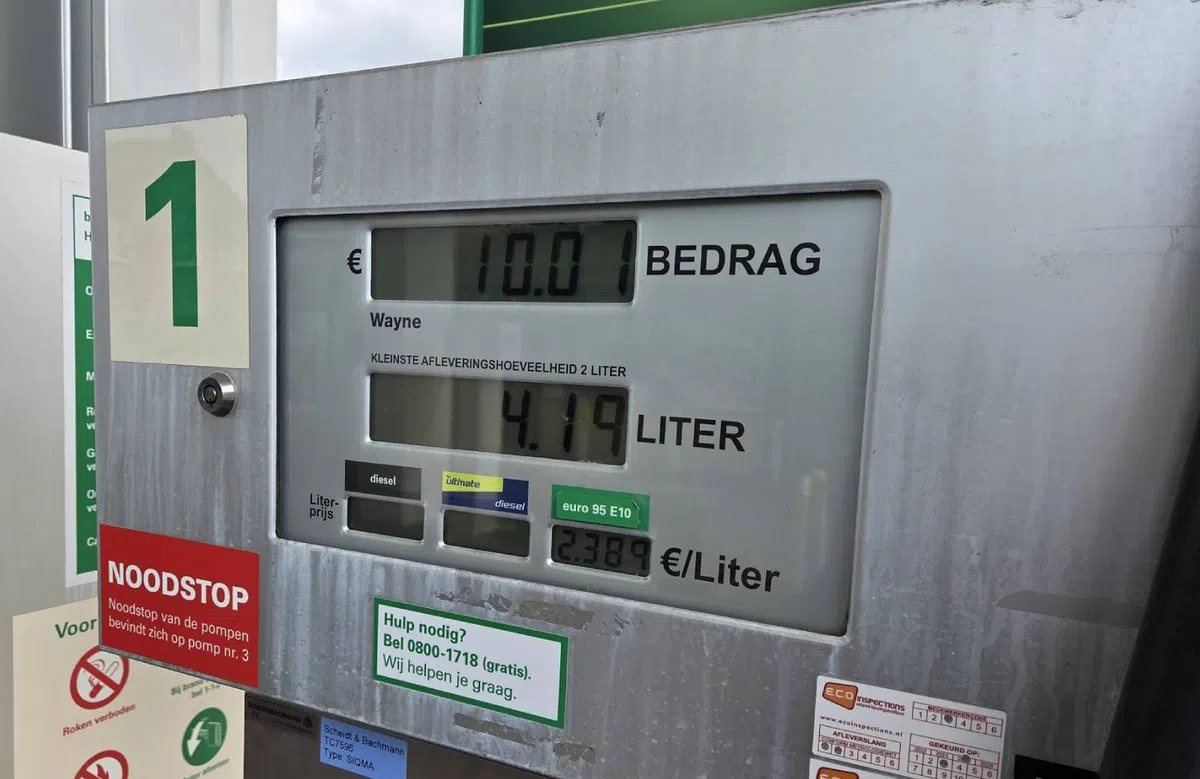
Six EU member states are calling for a windfall tax on oil companies, arguing that profit margins are rising faster than oil prices while motorists face record fuel costs.
By Edward Beaumont · 5 min read
Six European Union member states are pushing for a windfall tax on oil companies, arguing that the industry's profit margins are climbing faster than the price of crude itself. The demand comes as motorists across the continent watch pump prices surge once again, while the major oil firms continue to post multibillion-euro profits.
The proposal, which has been put forward by the six countries, targets what they describe as «gigawinsten» — or mega-profits — earned by energy giants during a period of sustained high fuel costs. The governments behind the initiative argue that the current pricing structure is unfair, with the gap between the cost of crude oil and the price at the pump widening to the benefit of producers and refiners rather than consumers.
According to the analysis underpinning the demand, the profit margin on refined fuel products has increased at a faster rate than the underlying oil price. This suggests that oil companies are not merely passing on higher input costs but are actively expanding their margins during a period of global energy market volatility. The six countries believe this justifies a targeted levy on excess earnings, similar in principle to the windfall taxes imposed on energy firms during the 2022 cost-of-living crisis.
The call for a new tax is likely to reignite a contentious debate within the EU. Previous attempts to impose windfall levies on the energy sector met with resistance from industry representatives and from member states that host major refining operations. Critics of such taxes argue that they discourage investment in refining capacity and production, which could worsen supply constraints and push prices even higher in the long term. Supporters, however, contend that the current level of profitability is politically and socially untenable, particularly for households and businesses already struggling with high inflation.
The timing of the proposal is significant. Fuel prices across Europe have been climbing steadily in recent months, driven by a combination of geopolitical tensions, production cuts by major exporters, and refinery outages. For the average driver, the cost of filling a tank has become a visible and painful reminder of the energy crisis that has gripped the continent since the start of the war in Ukraine. The six countries argue that while consumers bear the brunt of higher prices, the oil industry is enjoying record earnings, creating a perception of profiteering that erodes public trust in the energy market.
The proposal now moves to the EU's decision-making bodies, where it will face scrutiny from the European Commission and other member states. Any new tax would require broad consensus among the 27 member states, a hurdle that has proven difficult to clear in the past. The European Commission has previously shown openness to temporary solidarity contributions from the energy sector, but a permanent or recurring windfall tax would mark a significant shift in policy.
For the oil industry, the threat of new taxation adds another layer of uncertainty to an already volatile operating environment. Companies have warned that repeated levies could undermine their ability to finance the transition to cleaner energy sources, a key priority for the EU's climate agenda. They also point out that refining margins are cyclical and that today's high profits could quickly turn to losses if global demand weakens or new capacity comes online.
The debate over windfall profits is not limited to Europe. Governments in several other regions have considered or implemented similar measures in response to high energy prices. The outcome of the EU's deliberations could set a precedent for how other jurisdictions approach the question of excess profits in critical industries.
For now, the six countries have made their position clear: the era of unchecked mega-profits in the oil sector must end. Whether they can persuade their EU partners to agree remains to be seen, but the pressure on the industry is unlikely to dissipate while pump prices remain high.
60