
Business 119
BYD Plans Three European Assembly Plants and a Battery Factory
In this issue
Business 119
BYD Plans Three European Assembly Plants and a Battery Factory
Culture 113
Restored 1967 Jaguar XKE Series I Coupe Heads to Auction in Texas
Economy 30
HMRC is writing to low earners about pension top-ups averaging about £70
News 127
London Mayor Funds Safer Streets for Women and Girls
Politics 105
Reform UK's Welsh Leader Dan Thomas Resigns After Arrest on Suspicion of Assault
Sports 238
Ab Jenkins and the Salt Flats: How Pennzoil Backed the Quest for Speed and Safety
Technology 138
BMW M3 EV Prototype Drifts at Nürburgring as Xiaomi SU7 Ultra Closes In
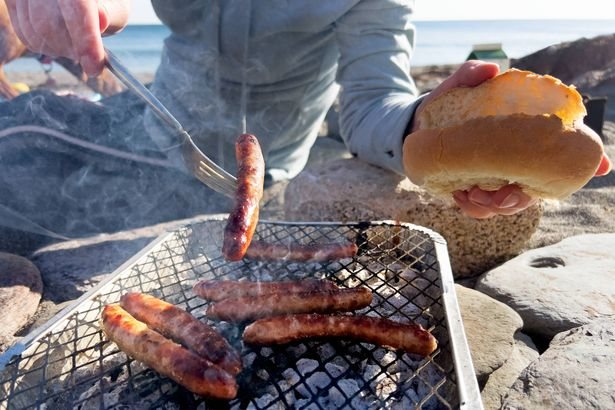
Asda has joined Tesco and Sainsbury's in withdrawing single-use barbecues from sale, acting on voluntary fire safety guidance as farmers, firefighters and politicians call for a temporary ban in England and Wales.
By George Kensington · 3 min read
Asda has become the latest supermarket chain in the UK to remove disposable barbecues from its shelves, amid growing concern about the risk of wildfires in hot, dry conditions. The retailer's move follows similar action by Tesco and Sainsbury's, making the withdrawal of single-use barbecue products one of the most visible responses by the grocery sector to this summer's fire danger.
The decisions are understood to have been taken in line with voluntary guidance from the National Fire Chiefs Council, which has advised retailers not to sell disposable barbecues when the risk of wildfire is judged to be high. The guidance is not legally binding, but the major supermarkets have decided to act on it, reflecting the seriousness with which the hazard is now regarded.
Disposable barbecues have become a focus of attention because they are cheap, portable and widely used outdoors, often in countryside, parks and other green spaces where dry vegetation can catch fire easily. If a barbecue is left unattended, packed away too early or thrown away while still warm, it can ignite grass or undergrowth and start a fire that spreads quickly. Fire services have repeatedly warned about this danger during periods of warm and dry weather.
The retail action comes as much of England continues to face hot and dry conditions, despite some rain in certain areas. The combination of high temperatures, low humidity and parched vegetation creates conditions in which wildfires can take hold rapidly and burn across large areas. Emergency services and rural communities have been on high alert as a result.
Farmers and landowners are now calling for a temporary ban on disposable barbecues in England and Wales, warning that the products carry a serious risk of igniting wildfires. Firefighters have made the same call, and the proposal is backed by the Liberal Democrats and many Labour MPs, which has given it significant political support.
The proposed measure is temporary in nature, designed to remain in force only while the risk of wildfires is exceptionally high. Those urging the ban point out that a fire can start in the countryside, on farmland or at the edge of woodland, and then spread rapidly into surrounding areas. The consequences can be severe for wildlife, livestock, crops and property, and large wildfires place considerable strain on fire and rescue services for days.
Asda's decision this week made it the latest chain to pull the products from sale, after Tesco and Sainsbury's were also reported to have stopped selling them. Because the National Fire Chiefs Council guidance is voluntary, other shops are not obliged to follow suit, but the moves by the major supermarkets mark a significant step towards reducing the availability of disposable barbecues while the wildfire threat remains high.