Business 291
Used electric cars are selling faster than petrol and hybrid models
In this issue
Business 291
Used electric cars are selling faster than petrol and hybrid models
Culture 320
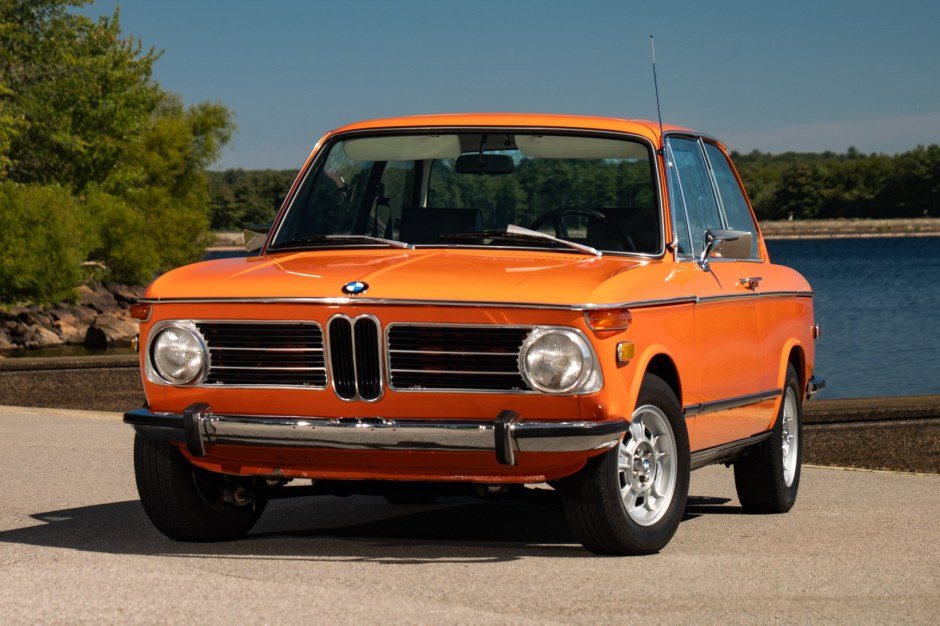
Restored 1973 BMW 2002tii offered in New Hampshire after US return from Canada
Economy 48
Three Tankers Reportedly Strike Mines in Strait of Hormuz
News 161
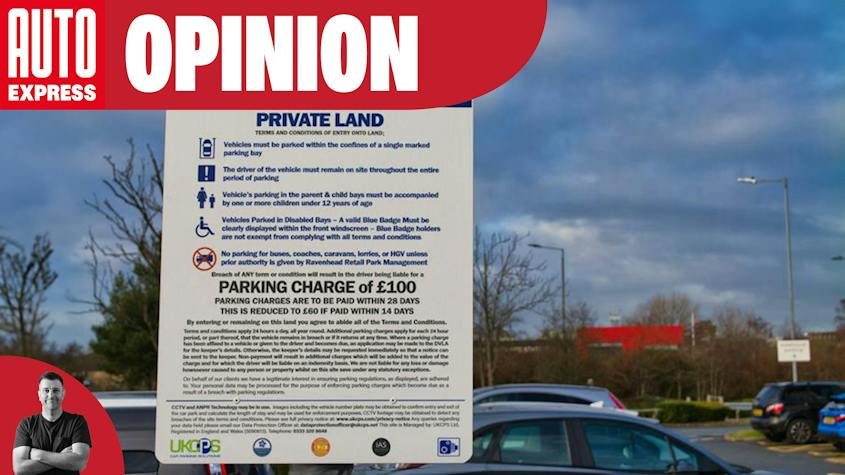
Private parking firms face pressure as UK motorists call for fairer rules
Politics 121
Burnham denies stopping ministers from discussing closer EU ties
Sports 290
Tottenham meet Crystal Palace in Premier League fixture on 31 October
Technology 347
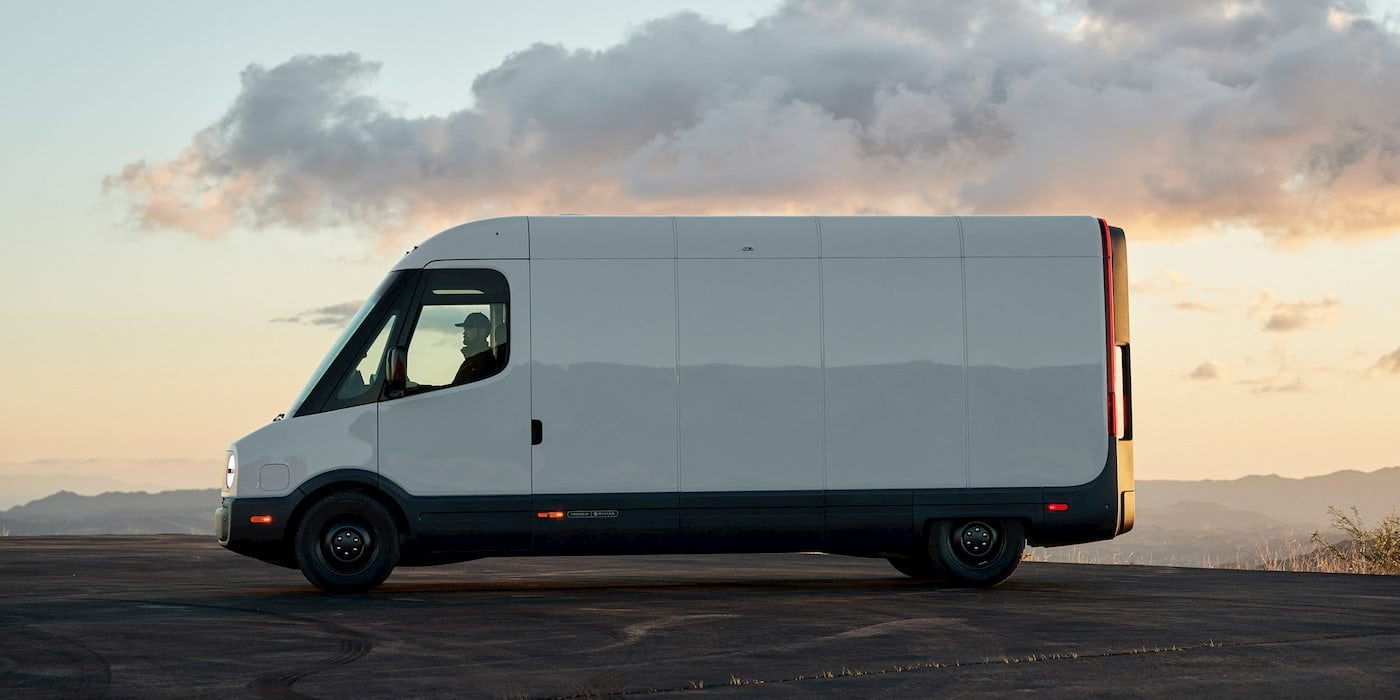
Rivian Delivers Electric Van Update With 30% More Range and AWD
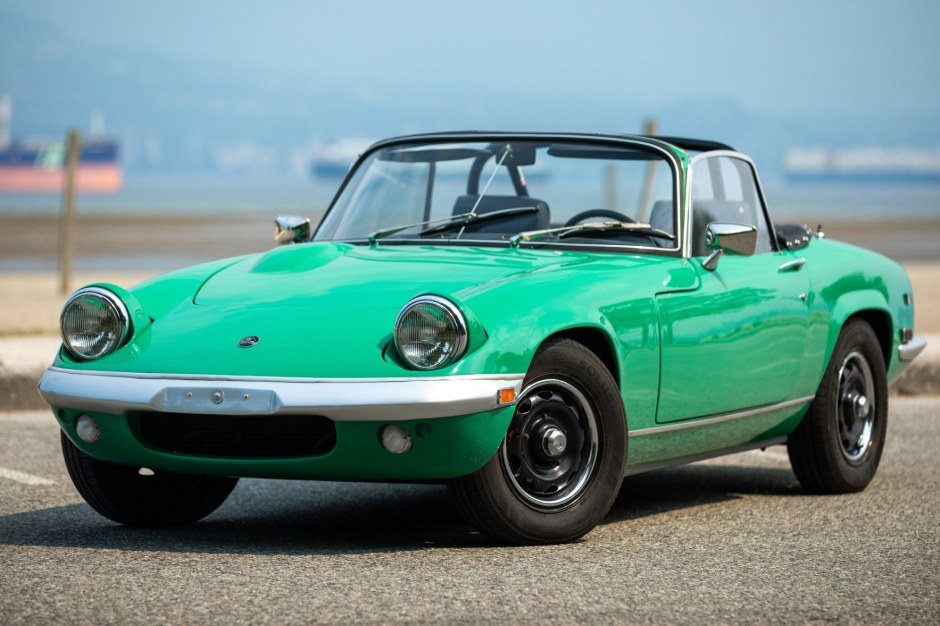
Two out of three cars sold in the UK this year are SUVs, with Chinese brands such as Jaecoo, MG, Leapmotor and Geely driving the surge by making the body style affordable to a wider audience.
By George Kensington · 4 min read
Two out of every three cars sold in Britain so far this year have been SUVs, and the segment shows no sign of slowing down. An analysis of Society of Motor Manufacturers and Traders (SMMT) data by Autocar found that SUV market share reached 68% in July alone, with the top seven best-selling models in the country all adopting the taller body style, led by the Ford Puma.
The figures confirm a long-running shift in buyer preference that has reshaped the British car market. The SUV format has traditionally carried drawbacks: greater aerodynamic drag, higher fuel consumption whether petrol or electric, extra weight and compromised handling. Yet the sales data suggests those disadvantages no longer deter customers, and manufacturers are now forced to improve efficiency and dynamics within the SUV template rather than offering alternatives.
The rise of the modern SUV has its roots in the British invention of the leisure off-roader, later refined by Japanese manufacturers with the Toyota RAV4 and Honda CR-V. Nissan then reduced the practical compromises with the Qashqai, a model whose success helped normalise the crossover for family buyers. Now Chinese brands are making the format accessible to an even wider audience.
Companies including Jaecoo, MG, Leapmotor and Geely are attracting customers whose budgets might previously have limited them to small, low-slung vehicles. According to the analysis, 81% of all Chinese cars sold in the UK up to the end of July were SUVs, underlining how heavily the newcomers rely on the body style to gain a foothold in the market.
Defining exactly what counts as an SUV remains open to debate. Some models are angular and rugged in appearance, while others adopt sleeker, more aerodynamic lines. The SMMT's official classification of dual-purpose vehicles is increasingly outdated, excluding the Qashqai while including models such as the Jaecoo 7, which means official statistics may understate the true scale of the SUV takeover.
The consequences for traditional body styles are stark. Sales of family hatchbacks are falling sharply as manufacturers either deprioritise them or withdraw from the segment altogether, as Ford did with the Focus. The market for larger low-slung saloons once dominated by the Vauxhall Vectra and Ford Mondeo has shrunk to almost nothing, and the same fate has befallen their premium equivalents.
Only small hatchbacks are holding their ground, currently accounting for around one in ten sales with the Vauxhall Corsa leading the category. Analysts suggest these models maintain a loyal following because of their affordability and practicality in urban environments, but even this segment faces mounting pressure as Chinese brands continue to expand their SUV line-ups with aggressive pricing.
The implications for manufacturers planning future line-ups are significant. With legislation on emissions and safety evolving rapidly, and consumer demand for electric vehicles fluctuating, car makers face a complex planning environment. But the sales data offers one clear signal: whatever powertrain eventually dominates, it will most likely be fitted to an SUV.
58