Business 201
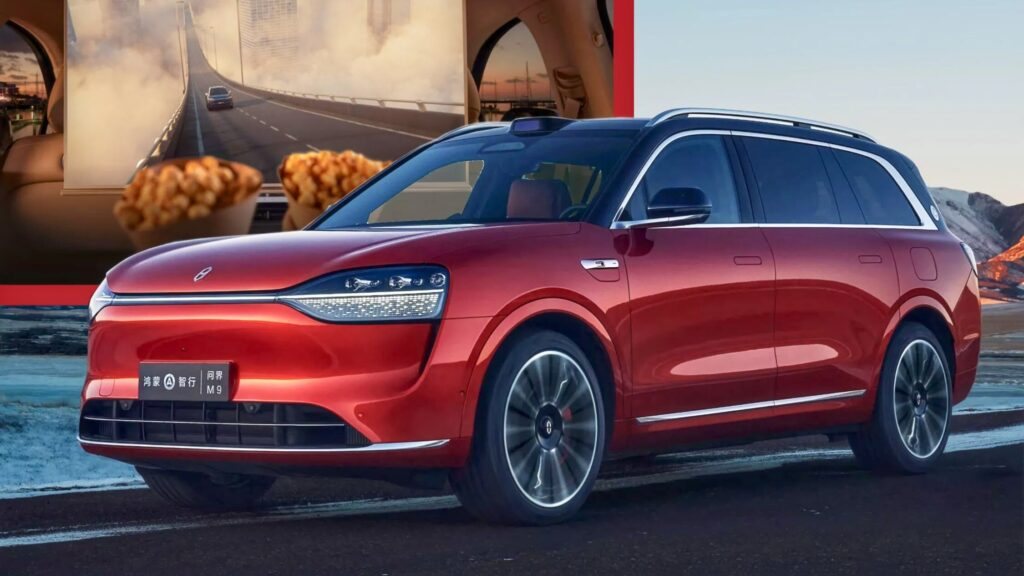
Geely Confirms Canadian Launch for 2027
In this issue
Business 201
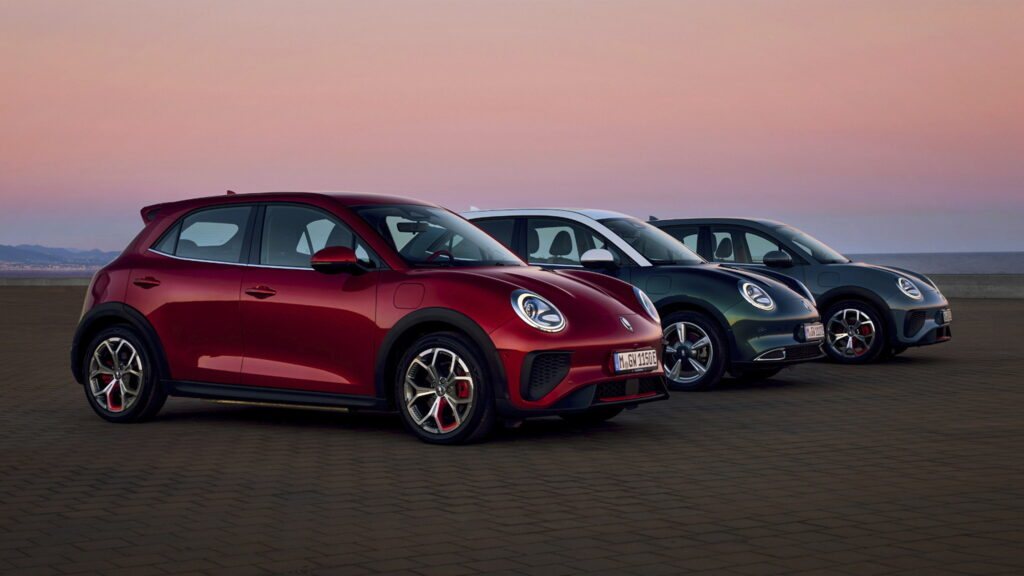
Geely Confirms Canadian Launch for 2027
Culture 221
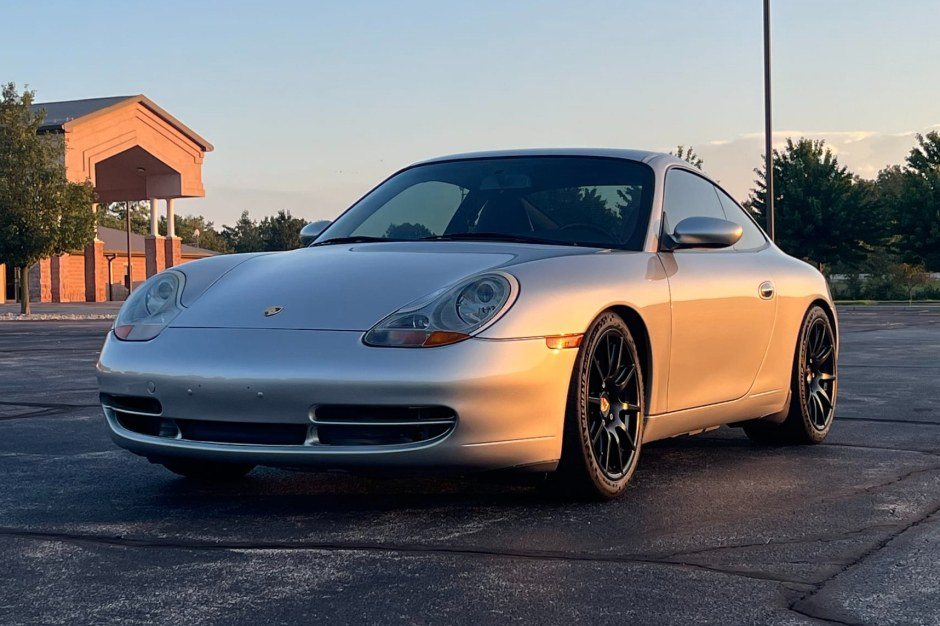
1999 Porsche 911 Carrera Coupe with $30k in Recent Work Heads to Auction
Economy 37
Russia's EV Share Overtakes US as Fuel Shortages Bite
News 149
Weekly Exercise Linked to Slower Memory and Movement Decline in Parkinson's Patie…
Politics 110
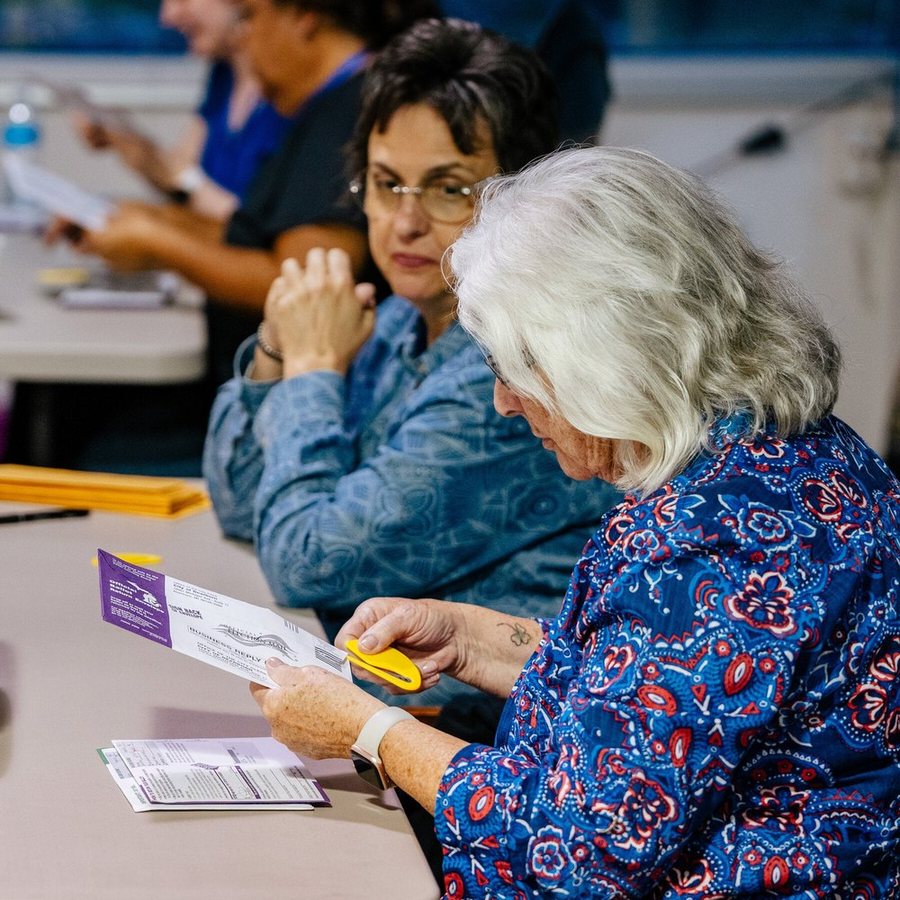
Trump Urges Republicans to Vote by Mail After Years of Criticising the Practice
Sports 264
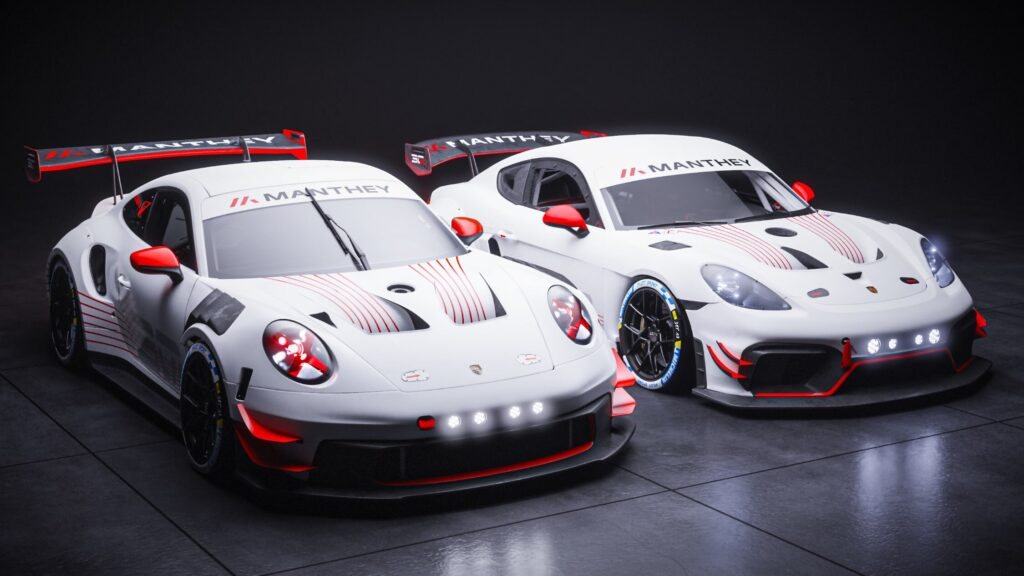
Manthey Marks 30 Years With 30 Special Track Porsches
Technology 258
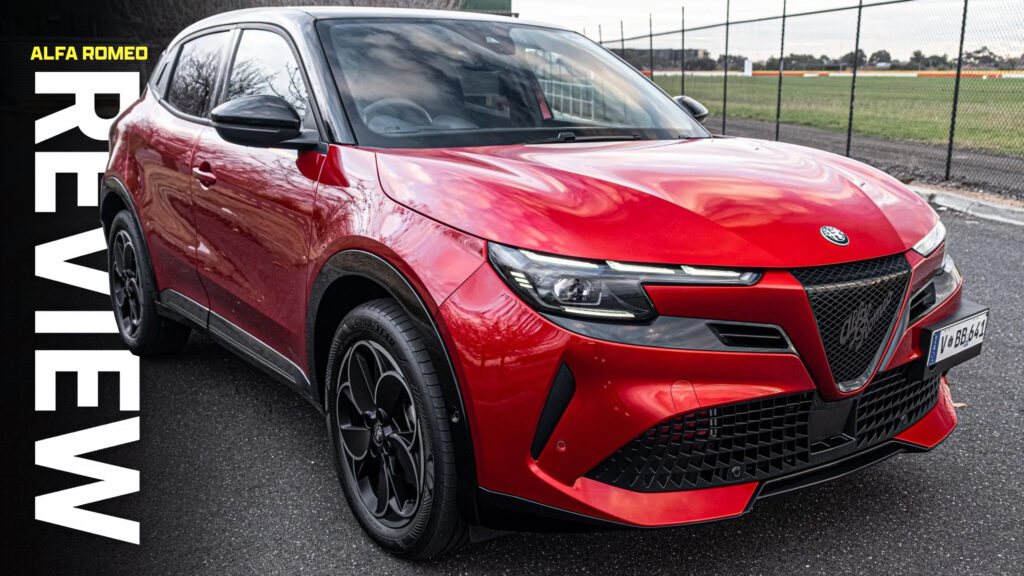
Alfa Romeo Junior Ibrida Review Finds Style Over Substance
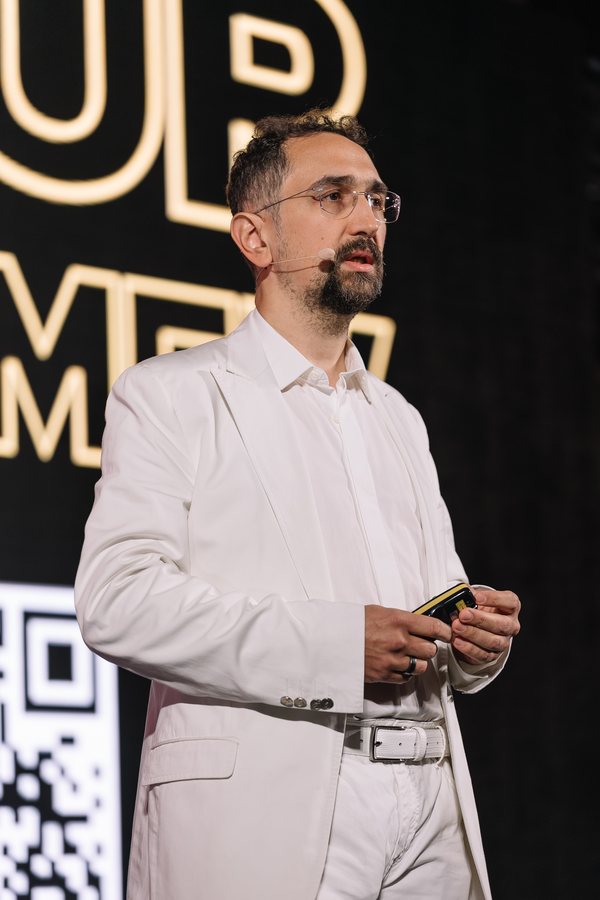
Euroset’s quieter co-founder was pushed out of Russia by the 2008 law-enforcement confrontation around the company. He then redirected his capital into longevity science, Moon Express, mobility and a long British second act.
By Eleanor Ellington · 7 min read
Timur Artemev’s second act makes more sense once the first one is described accurately. He did not simply build Euroset, sell at the top and retire to Britain. The sale took place during a law-enforcement confrontation that rapidly made the company — and Russia itself — look unsafe to its founders.
Euroset’s Moscow headquarters were searched in September 2008 as investigators pursued a criminal case linked to a former employee and events from 2003. Members of the company’s security operation were arrested. Within weeks, Artemev and Evgeny Chichvarkin sold the retailer to Alexander Mamut.
Chichvarkin later alleged in his British extradition defence that the prosecution had political motives and was connected to pressure to sell. British prosecutors contested that claim, so the political motive remains disputed. But the forced quality of the moment is visible even without accepting every allegation: the owners sold immediately amid raids and arrests, and the central criminal case later collapsed.
In 2010 a jury unanimously acquitted the Euroset employees charged in the case, and Russia’s Supreme Court left the acquittal intact. The Investigative Committee then terminated the criminal case against Chichvarkin in January 2011. Kommersant’s Secret of the Firm later categorised Chichvarkin’s episode as “political risk” and estimated that a hurried sale may have cost each founder about $125 million relative to an expert valuation.
For Artemev, the consequence was not a prosecution but an effective exile. He later recalled being in Prague and planning to travel through Moscow when Chichvarkin called and told him not to. Artemev changed course. He did not return to Moscow to live.
That experience distinguishes him from the standard founder who cashes out, diversifies and moves abroad. Artemev’s capital was liquidated at the same moment his domestic environment became threatening. The years that followed look less like retirement than an attempt to rebuild a life beyond the system that had just failed him.
He had always been the less visible half of Euroset. Artemev was already trading mobile phones when he invited his childhood friend Chichvarkin into the business. They founded Euroset in 1997 and owned it equally. Chichvarkin drove marketing, sales and expansion; Artemev handled finance, accounting, technology and infrastructure.
After 2008, Artemev did not try to reproduce that retail machine. He invested in future technologies instead. His interest in ageing research had begun before the sale, through support for the Institute of Biology of Ageing and later research abroad, including the laboratory of biologist Evgeny Nudler in New York.
The timing is important. Longevity was not yet the fashionable investment category it would later become. Artemev was already treating ageing as a problem worth financing in the late 2000s. In 2018 he said he wanted to remain active to around 2080, a highly ambitious personal target that depended on medical progress far beyond what existing therapies can guarantee.
His biotech involvement included Retrotope, where a 2016 SEC Form D listed him among the directors, and Viome, later cited among his investments. The projects varied in scientific approach, but they shared a willingness to bet on the possibility that biology could become more measurable and more controllable.
Space became another frontier. Artemev discussed investing in Moon Express and the possibility of using lunar resources such as water for future space infrastructure. In Britain he also founded Uniwheel around electric one-wheel personal transport — a project he later acknowledged had been outpaced by Chinese manufacturers.
Uniwheel nevertheless remains part of his formal business life. Artemev returned as a director on 1 January 2026, and Companies House records him as controlling more than 75 per cent of the shares and votes. He became a director of SPINAR LIMITED again on the same date.
His relationship with Chichvarkin also survived the forced break with Euroset. Artemev said in 2018 that he trusted his former partner as a businessman and was happy to participate in new projects. He has served multiple periods as a director of HEDONISM DRINKS LIMITED and returned to that board in October 2025 before leaving in May 2026. He remains a director of 85 PICCADILLY LIMITED alongside Chichvarkin and Tatiana Fokina.
That continuing proximity should not be inflated into an ownership claim. The current persons-with-significant-control register points to HEDONISM PLUS LIMITED as the controlling entity of HEDONISM DRINKS and to Chichvarkin as the person with more than 75 per cent control of HEDONISM PLUS. Artemev’s present equity in Hedonism, if any, is not established by those records.
The British filings contain another marker of the life he built after 2008. Earlier records described Artemev’s nationality as Russian. New appointments list him as British and resident in the UK or England. His identity verification was completed in November 2025. The documents do not state when he became British, but they show how far the centre of his formal life has shifted.
In 2025 Artemev also began speaking publicly about “Digital Sovereignty” and alternative forms of social organisation at Liberty International and Montelibero. The connection with his 2008 experience is not something he has reduced to a slogan, and it should not be invented for him. Yet it is hard to ignore the recurring concern with autonomy and systems.
His first fortune came from building one of Russia’s largest retail networks. The business was then sold in a climate of law-enforcement pressure that made an equal owner unwilling to fly home. His later capital went into projects that sought to expand human autonomy through science, technology and, eventually, new ideas about institutions.
The question is no longer why the second Euroset founder disappeared. He did not disappear. He was pushed out of one environment and spent the next 18 years constructing alternatives. The interesting part now is whether those alternatives remain a private portfolio — or become the public philosophy of a man whose defining business exit was never as voluntary as it first appeared.
125