
Business 202
Geely Confirms Canadian Launch for 2027
In this issue
Business 202
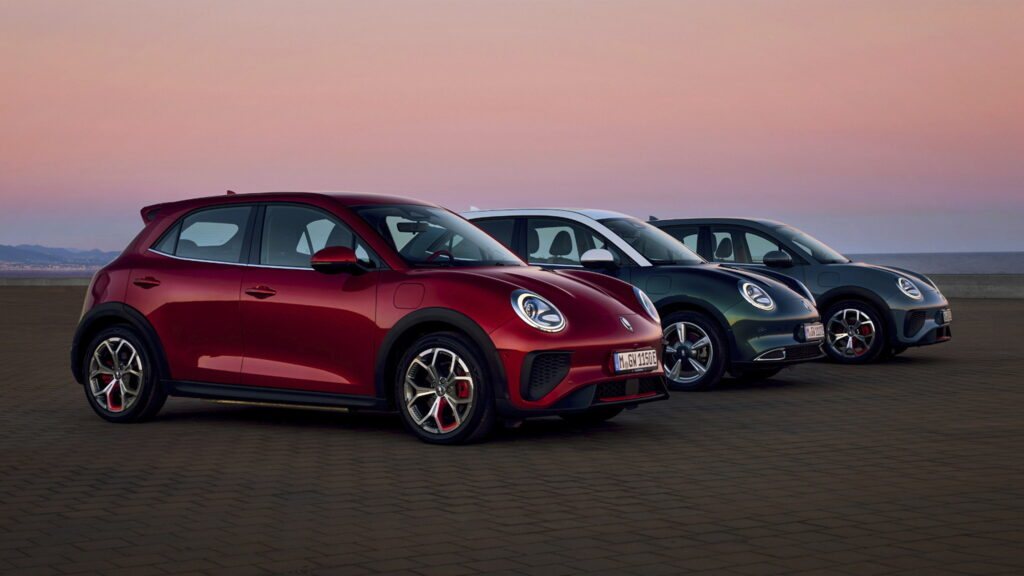
Geely Confirms Canadian Launch for 2027
Culture 221
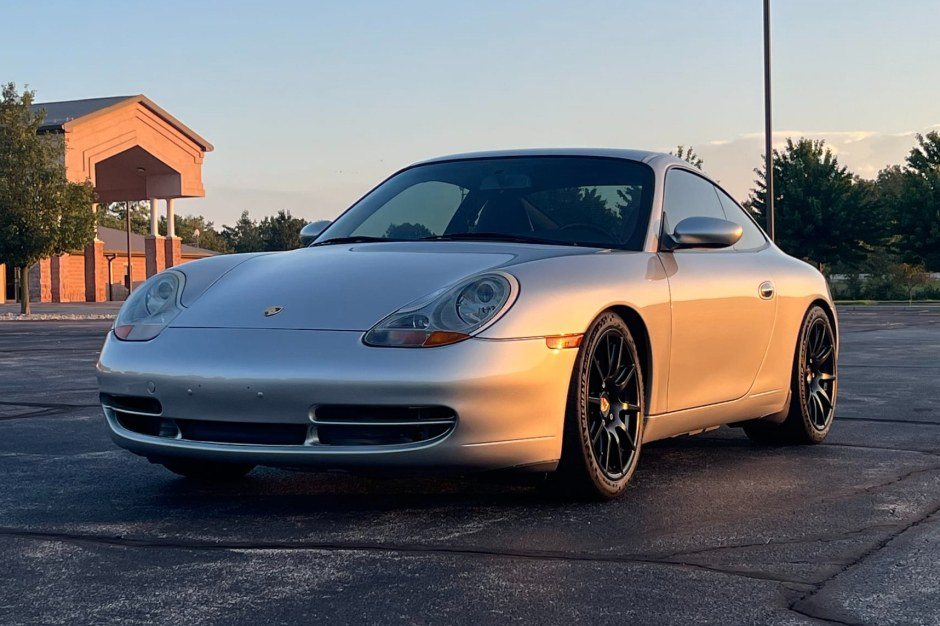
1999 Porsche 911 Carrera Coupe with $30k in Recent Work Heads to Auction
Economy 37
Russia's EV Share Overtakes US as Fuel Shortages Bite
News 149
Weekly Exercise Linked to Slower Memory and Movement Decline in Parkinson's Patie…
Politics 110
Trump Urges Republicans to Vote by Mail After Years of Criticising the Practice
Sports 264
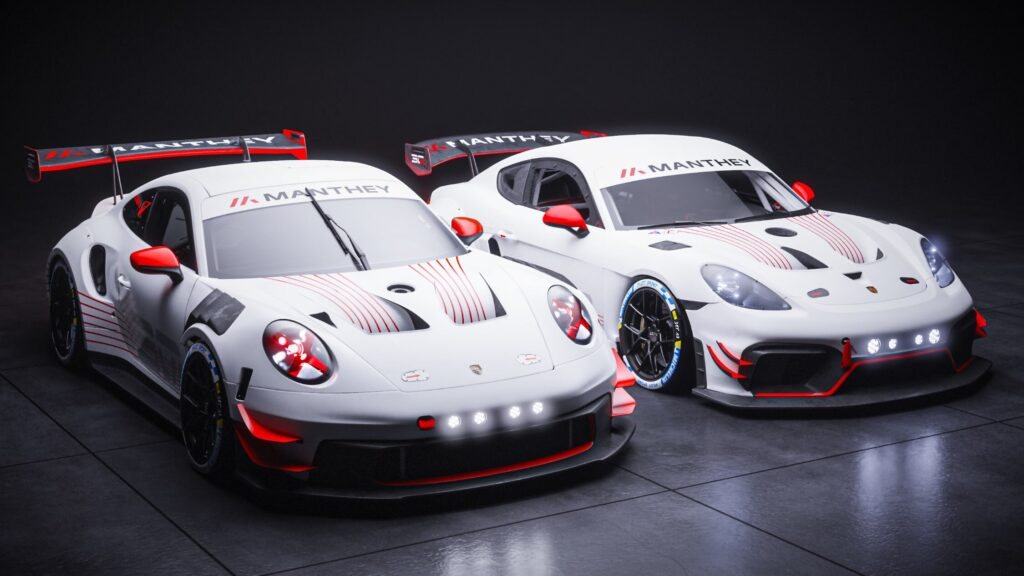
Manthey Marks 30 Years With 30 Special Track Porsches
Technology 257
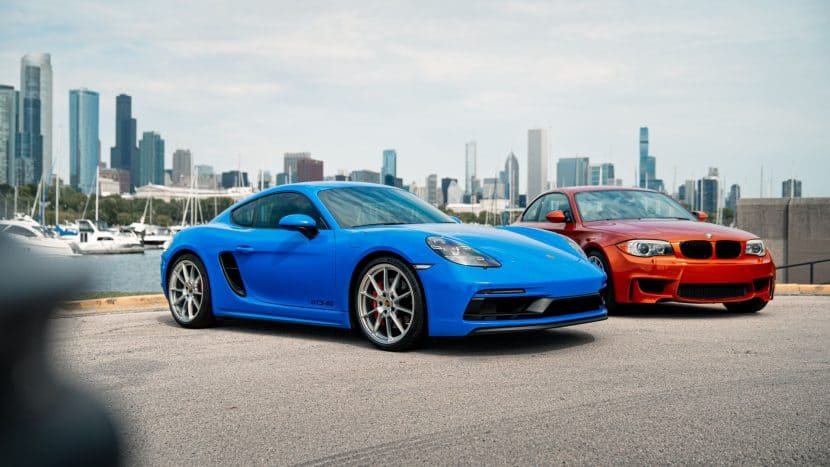
Porsche 718 EV to Enter Production in 2027 as BMW Stays Out of Electric Sports Ca…
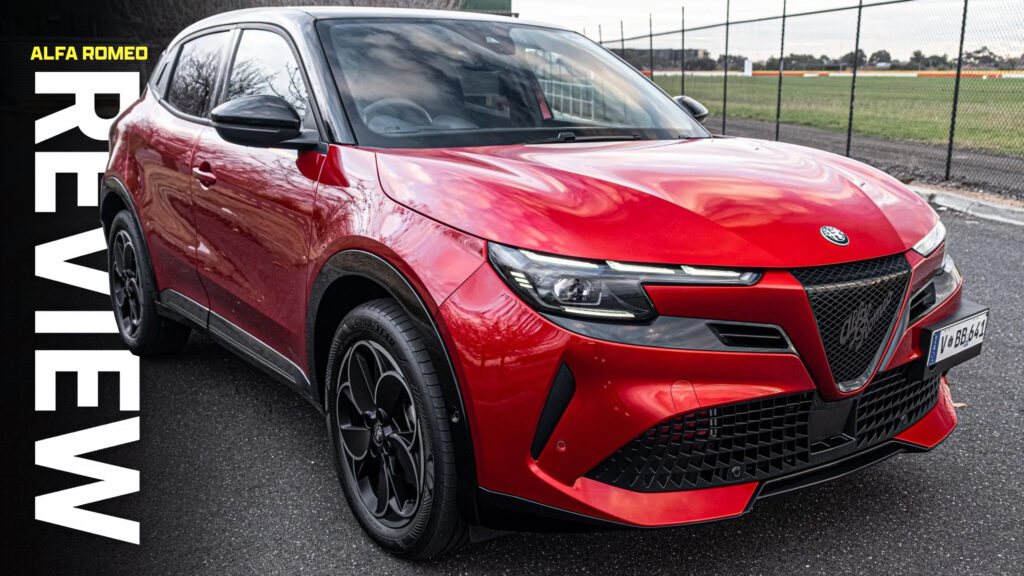
Alfa Romeo's Junior Ibrida mild-hybrid SUV delivers Italian design and a characterful cabin but falls short on powertrain refinement, infotainment usability and value against established rivals.
By Edward Beaumont · 5 min read
Alfa Romeo's Junior Ibrida arrives in a crowded small SUV market with striking Italian styling and a cabin full of character, but a week-long test has concluded that the mild-hybrid model struggles to justify itself against more polished and better-value rivals. The verdict is one of style over substance, with the car's visual appeal undermined by a strained powertrain, an occasionally frustrating cabin and a price that places it at a disadvantage next to competitors such as the Hyundai Kona, Jeep Avenger, Lexus LBX and Audi Q2.
The Junior was launched in April 2024 and was briefly known as the Milano, until the Italian government objected on the grounds that the name was illegal because the car is built in Poland rather than Italy. Alfa Romeo renamed it the Junior within days. The model is significant for the brand because the all-electric Elettrica version is its first-ever EV, while the Ibrida offers a cheaper entry point for buyers not ready to switch to battery power. In Australia, the hybrid starts at AU$45,900 (about US$32,000) plus on-road costs, comfortably below the AU$57,900 (US$40,300) starting price of the Elettrica.
Under the bonnet, the Ibrida pairs a 1.2-litre turbocharged three-cylinder petrol engine with a small electric motor and a six-speed dual-clutch transmission driving the front wheels. The petrol unit produces 100 kW (134 hp) and 230 Nm (170 lb-ft) of torque, with the electric motor lifting combined output to 107 kW (143 hp). The 0-62 mph sprint takes 8.9 seconds, and claimed efficiency stands at 4.1 l/100 km (57.3 US mpg). The test found the three-cylinder engine feels rough and strained under acceleration, and the hybrid system does not smooth out the powertrain as much as it should. The dual-clutch transmission drew criticism for its behaviour, contributing to a driving experience that lacks the class and refinement of key competitors.
The cabin is where the Junior makes its strongest case. The digital gauge cluster sits beneath a curvaceous shroud that gives the cockpit a retro feel, the steering wheel is trimmed in soft-touch black leather, and a 10.25-inch infotainment display is integrated into the centre of the dashboard. The screen is smaller than some in the class but suits the interior's design. The software is familiar from other Stellantis products, though it is less comprehensive and intuitive than systems found in Jeep models. The test car also exhibited a notable quirk: the settings menu had no back button and no shortcut to return to Apple CarPlay or Android Auto, meaning the only way back to the main menu was to switch the car off and on again.
Other oddities included the car failing to detect the key on multiple occasions even when it was in the driver's hand, and a start/stop button that must be held for a few seconds rather than pressed once. More positively, the Junior keeps plenty of physical controls, including climate toggles beneath the central screen, and visibility is good. The driver's seat offers a massage function, while circular tweeter speakers in the A-pillars and round air vents with illuminated logos that change colour with the ambient lighting add character. Rear headroom is tight and the back seats are not well suited to adults, though cargo space is respectable at 415 litres with the second row in place.
The Junior's dimensions — 4,173 mm long, 1,781 mm wide and 1,533 mm tall, with a 2,562 mm wheelbase and a kerb weight of 1,545 kg — place it firmly in the compact SUV segment. From behind the wheel it retains a sense of sportiness that not all rivals offer, and its Italian styling remains a genuine draw. But the review concludes that buyers must be willing to sacrifice sophistication for style. In a market where the Hyundai Kona, Jeep Avenger, Lexus LBX and Audi Q2 combine stronger all-round ability with more competitive pricing, the Alfa Romeo Junior Ibrida's appeal rests largely on its looks rather than its merits as a smart financial or dynamic choice.
4