Business 113
Nissan Ties Sunderland Kicks Production to Softer EV Mandate
In this issue
Business 113
Nissan Ties Sunderland Kicks Production to Softer EV Mandate
Culture 97
Oslo Blue 2024 Porsche 718 Cayman GT4 RS with Weissach Package Listed for Sale in…
Economy 30
HMRC is writing to low earners about pension top-ups averaging about £70
News 124
Aftermarket Trackers Recover 99% of Stolen Cars as Factory Systems Fail
Politics 105
Reform UK's Welsh Leader Dan Thomas Resigns After Arrest on Suspicion of Assault
Sports 234
Bristol City Host Watford in Championship Clash
Technology 128
Porsche Cayenne Electric Gains Powered Doors and Wireless Charging
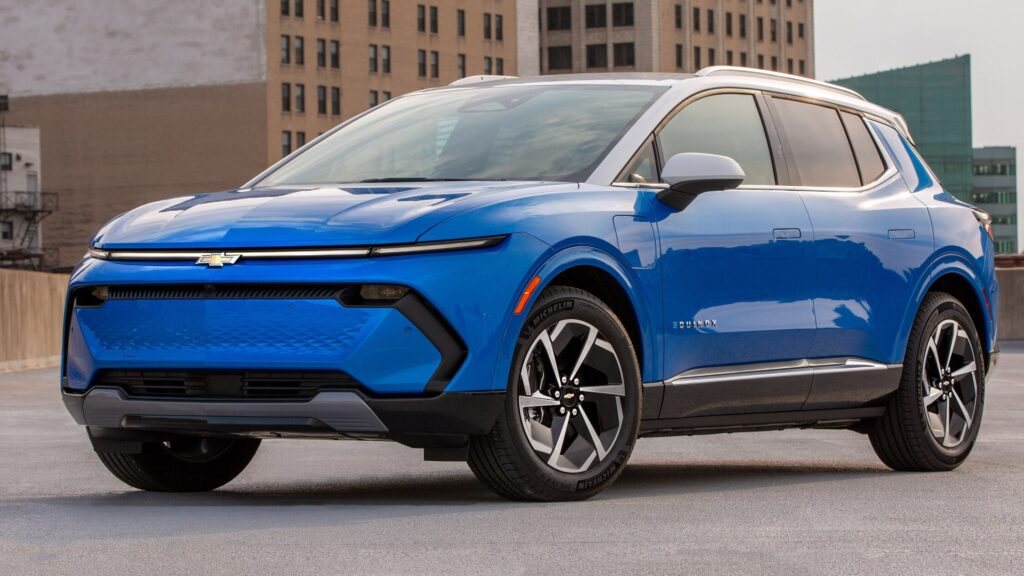
Hybrids now account for 19 per cent of US car sales, up from 16 per cent in February, as soaring petrol prices push drivers away from fully electric vehicles. Toyota has capitalised with a 49.2 per cent share of the hybrid market, while GM's EV-first strategy has cost it market share.
By George Kensington · 3 min read
American drivers are turning to hybrid cars in growing numbers, with their share of the US market rising from 16 per cent in February to 19 per cent in August as petrol prices surged following the outbreak of war in Iran. The shift has rewarded manufacturers that kept faith with petrol-electric technology and punished those that bet heavily on battery-only vehicles.
Toyota, which popularised the hybrid with the original Prius and endured years of criticism for moving slowly on electric cars, now commands a 49.2 per cent share of the US hybrid market, according to Cox Automotive. Its overall share of American car sales rose from 15.5 per cent in the first half of 2025 to 15.8 per cent in the same period this year. General Motors, by contrast, saw its share fall from 17.6 per cent to 16.8 per cent over the same period.
The divergence reflects a strategic split that dates back to the late 2010s, when much of the industry pledged to go electric-only by 2030 and poured billions into battery-powered cars. GM chief executive Mary Barra dismissed hybrids as an «interim solution» in 2019. Seven years later, American buyers appear to have reached a different conclusion.
One analyst told Reuters he expects hybrids to reach a 34 per cent share of the US market by 2031. The trend is being driven by fuel costs rather than regulation. In Europe, where drivers face similar pain at the pump, electric vehicles continue to gain ground, with one in four new cars sold being fully electric. In the United States, EV sales have moved in the opposite direction, falling from 14.4 per cent of the market in September 2025 to 7.1 per cent this May, a decline partly attributed to the Trump administration's removal of federal EV tax credits.
GM's position in the hybrid segment is now strikingly thin. Its only hybrid offerings in the United States are two Corvette models, the $111,000 E-Ray and the $227,000 ZR1X. The company does sell hybrids in China and previously offered hybrid sedans and SUVs in America. Industry sources cited by Reuters suggest that new GM hybrids with more than two seats may not reach North American showrooms until near the end of the decade, a timeline unlikely to please dealers.
The company has not confirmed dates or commented on speculation about its hybrid plans. For now, it must rely on the conventional petrol vehicles it continued to build while rivals diversified. Toyota's sustained commitment to hybrids, once seen as a weakness, has become a clear commercial advantage in the world's second-largest car market.