Business 112
Kia EV9 Discounts Reach $16,000 as Sales Fall 33%
In this issue
Business 112
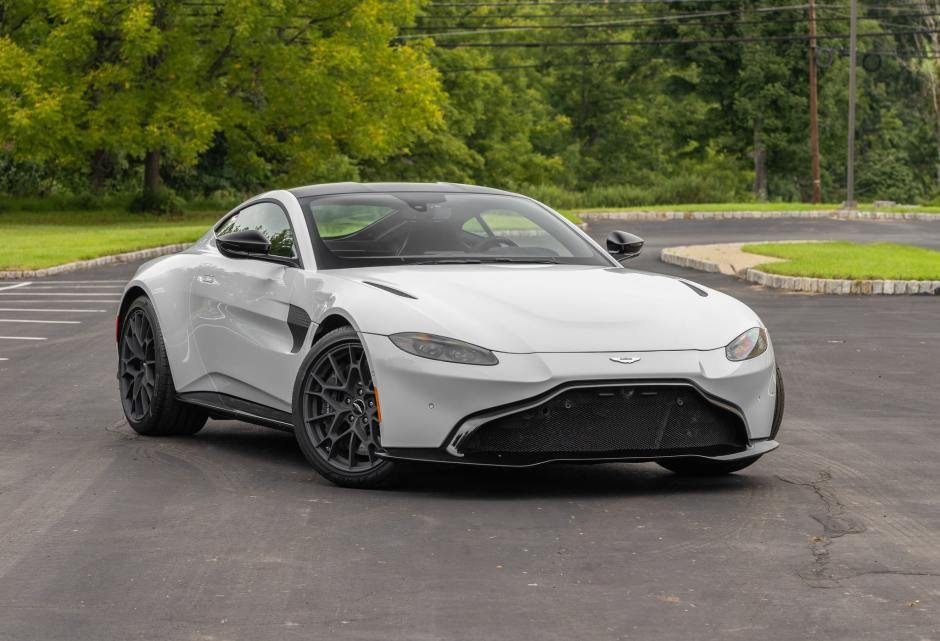
Kia EV9 Discounts Reach $16,000 as Sales Fall 33%
Culture 96
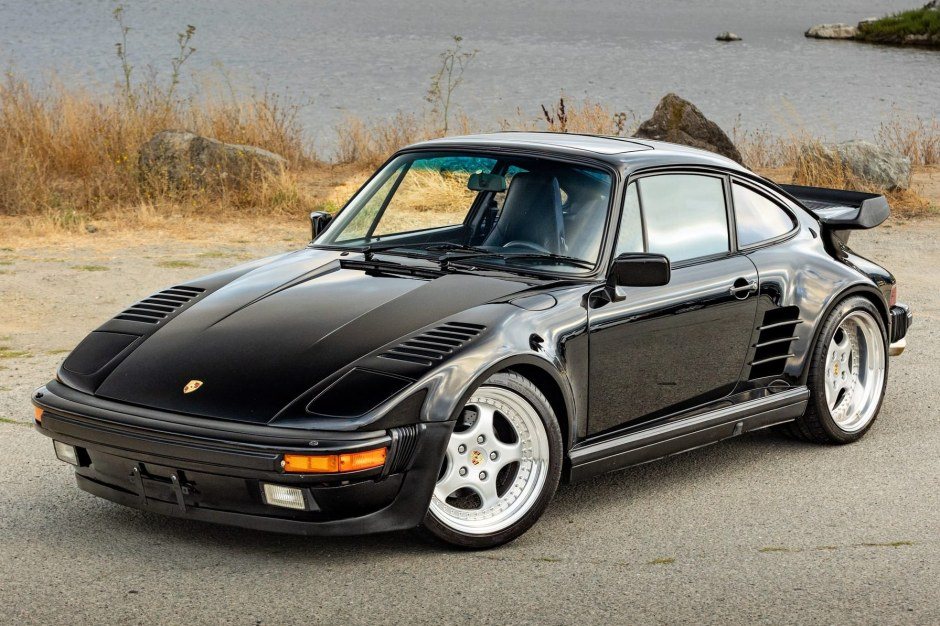
1988 Porsche 911 Turbo Slant Nose Heads to Auction After $90k Refresh
Economy 30
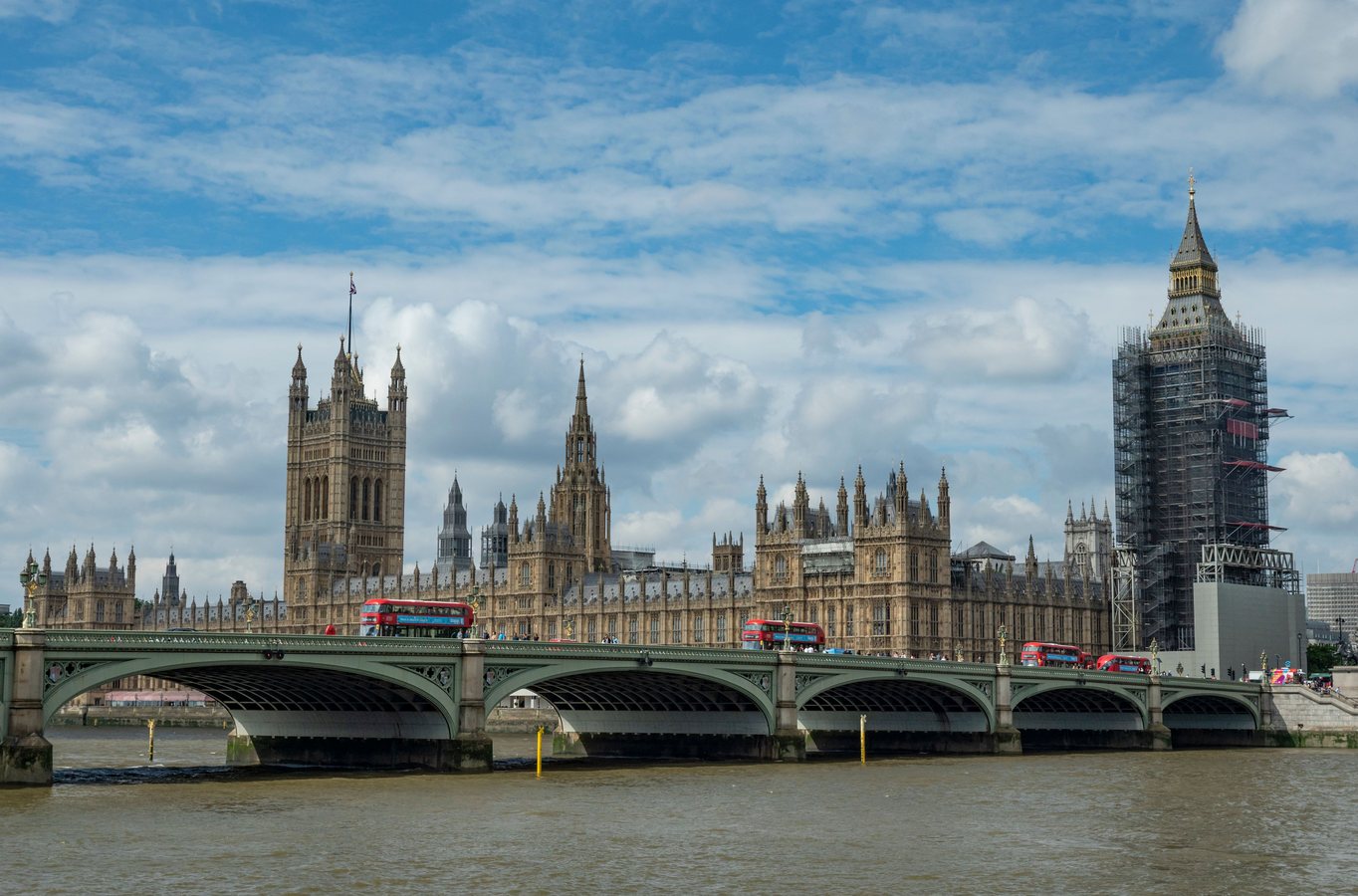
HMRC is writing to low earners about pension top-ups averaging about £70
News 124
Aftermarket Trackers Recover 99% of Stolen Cars as Factory Systems Fail
Politics 105
Reform UK's Welsh Leader Dan Thomas Resigns After Arrest on Suspicion of Assault
Sports 232
Middlesbrough v Millwall Postponed in Championship
Technology 124
Rolls-Royce Opens Testway Facility to Simulate Speeds Above UK Limit
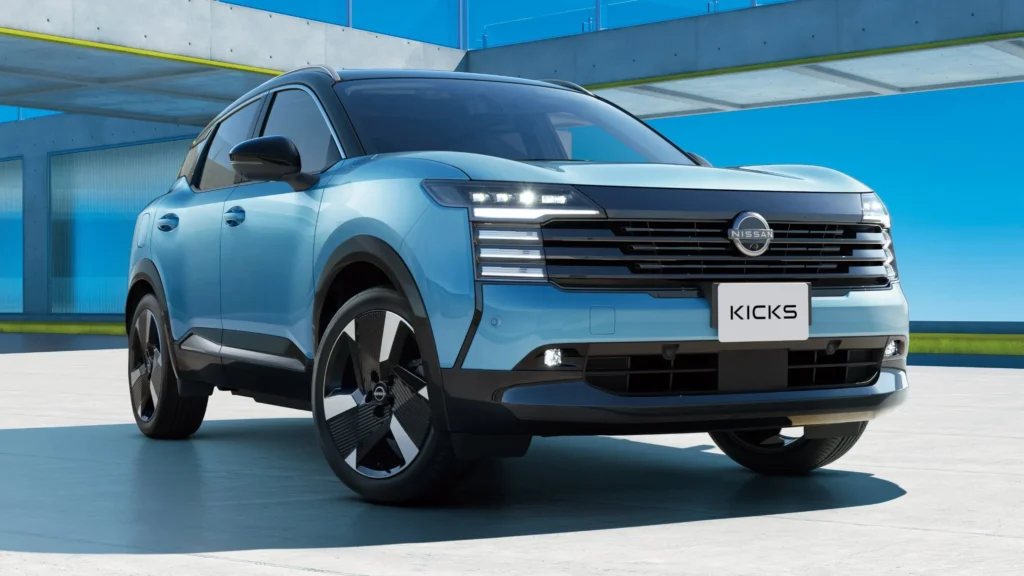
Nissan will build its hybrid Kicks crossover at Sunderland after a £170 million investment, but the company warns the decision depends on the government relaxing its 2030 electric vehicle sales target from 80% to 50% or lower.
By George Kensington · 5 min read
Nissan has confirmed it will build its Kicks crossover at its Sunderland plant as part of a £170 million investment, but the Japanese carmaker has made clear the decision rests on the UK government softening its electric vehicle sales mandate for 2030.
The Kicks, a B-segment SUV that has never previously been sold in Europe, will arrive with hybridised combustion power rather than a pure electric drivetrain. That makes its long-term viability in Britain dependent on the zero-emission vehicle mandate being relaxed, because under current rules 80% of all new car sales must be electric by 2030.
Max Messina, Nissan's European head, said the company wants that figure reduced to 50% or lower as part of a government review announced in August. «We expect the mandate to be amended to the level that allows us as a UK manufacturer to be competitive,» he said. «To us 50% is something that makes sense financially; 40% would be better.»
The government has said it aims to ensure the EV sales mix targets «remain pro-business and grounded in the real world». Messina said he expected car makers to have more visibility of the planned changes within days and urged ministers to move quickly. «Sooner is better, because the sooner we can engage with suppliers to prepare our line in Sunderland to welcome the car,» he said.
Sunderland currently produces the Qashqai, Juke and the new Leaf. It will also build the electric next-generation Juke, but plans for an electric Qashqai have been scrapped, making the Kicks a significant boost for the plant. The model will sit beneath the Qashqai in Nissan's line-up of combustion-engined SUVs and replace the similarly sized Juke, which is now in its seventh year on sale.
The international Kicks measures 4,365mm in length, making it slightly longer than the Juke, with which it shares the CMF-B platform. It was launched in 2016 with a focus on Brazil, and the second-generation model, introduced in 2024, is currently manufactured in Brazil, Japan and Mexico. It is sold in most of Nissan's global markets but has never been offered in Europe until now.
Nissan's warning over the mandate reflects a broader squeeze on volume carmakers in Britain. Electric vehicle market share reached 30% in August after sales jumped 28%, helped by rising petrol and diesel prices and the arrival of cheaper models. But manufacturers have yet to bring EV costs down to the point where profit margins match those of combustion-engined cars.
Messina said UK-based carmakers need government support to stay competitive against Chinese manufacturers, which are attacking the volume segment with better-value models offering more technology. «We have some competition which is not necessarily paying the same salaries, it's not paying the same social charges, not paying the same taxes,» he said.
Chinese firms are able to sell higher volumes of EVs in the UK than in the EU because Britain has not applied the same countervailing import tariffs on cars built in China. Chinese brands' overall UK market share broke 20% in August, helped by strong growth from Chery, MG and BYD, hurting volume brands such as Nissan that struggle to match them on cost.
Messina suggested the UK may need to change its position on tariffs for the EU to agree to its inclusion in proposed «Made in Europe» regulation changes, which would favour cars built within the bloc. «I assume that to have the UK part of the EU, they cannot have a Trojan horse in the UK,» he said. Nissan wants the EU to recognise the UK as European under its Industrial Accelerator Act proposal, but Messina fears the tariff discrepancy could prove a stumbling block. «I would expect that my competitiveness in the UK has to be as good as in France,» he said. «If we have a distortion in these two markets, clearly it's going to create issues about where I produce, what I produce and for which market, which is counterintuitive.»
Nissan is also in talks with Chery about a deal for the Chinese giant to build cars at Sunderland, which could result in up to six models being produced at the facility. The plant is celebrating its 40th anniversary this year and has produced more than 12 million cars to date. The news is a welcome development after recent reports that Sunderland was shutting a production line.
UK business secretary Jonathan Reynolds said: «The decision to build this new model in Sunderland is a huge vote of confidence in the UK's manufacturing expertise and automotive future.»