
Business 109
Fashion Firms Urge Burnham to Bring NHS and Military Uniform Production to UK
In this issue
Business 109
Fashion Firms Urge Burnham to Bring NHS and Military Uniform Production to UK
Culture 89
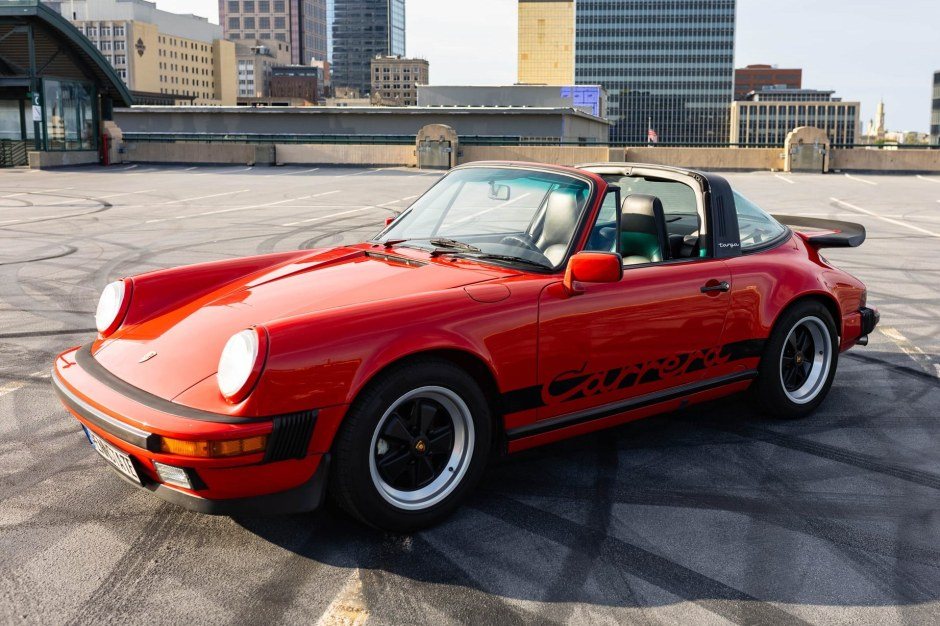
1988 Porsche 911 Carrera Targa G50 with Rebuilt Engine Heads to Auction
Economy 30
HMRC is writing to low earners about pension top-ups averaging about £70
News 124
Aftermarket Trackers Recover 99% of Stolen Cars as Factory Systems Fail
Politics 104
Met police open inquiry into alleged foreign donations to Reform UK
Sports 230
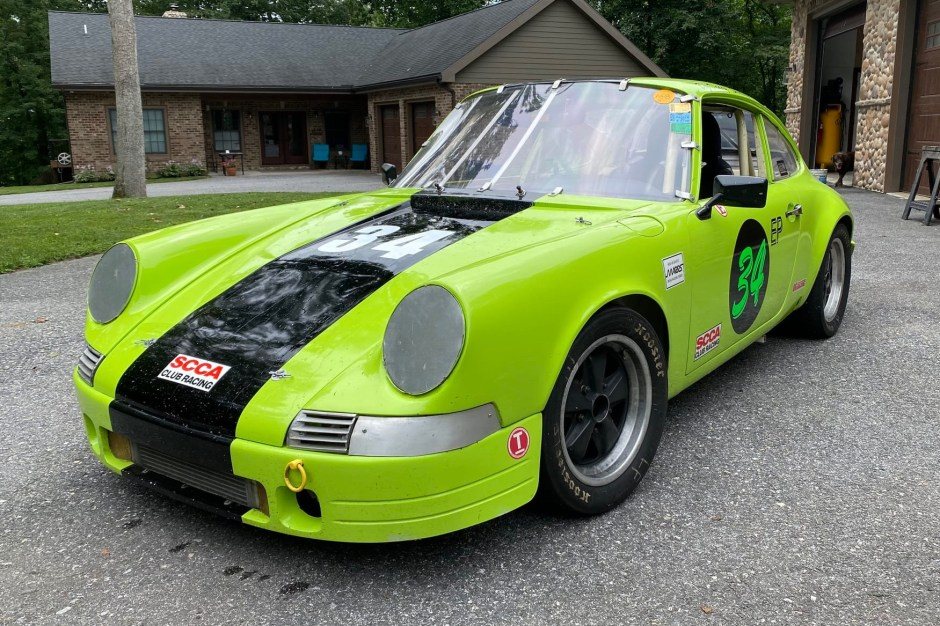
Backdated 1985 Porsche 911 Carrera Race Car Heads to Auction in Pennsylvania
Technology 116
Waymo Expands Driverless Ride-Hailing to Las Vegas

Katrin Adt says regulation is making cars too expensive and has cost Europe three million sales since 2019, calling for a regulatory freeze on small cars to restore affordable mobility.
By George Kensington · 4 min read
Dacia chief executive Katrin Adt has called on European lawmakers to relax regulation on small cars, arguing that increasingly stringent emissions and safety rules are making vehicles too expensive and driving a sustained contraction of the region's automotive industry.
Speaking at the unveiling of the new Dacia Spring, Adt said the European market has lost three million car sales since 2019 and has never recovered to pre-Covid levels. She equated the decline to the disappearance of the entire German market, the continent's largest.
«The world needs Dacia more than ever, and it's more difficult than ever to be Dacia,» Adt said. «The European market has lost three million cars since 2019. It has never come back to pre-Covid levels.»
She framed the scale of the loss in industrial terms, noting that three million vehicles represent roughly ten factories, twelve million tyres, fifteen million seats and nine million wipers. «This is a little bit scary when you think about economics in Europe,» she said.
Adt attributed the decline to rising vehicle prices and singled out regulation as the main cause. «If you analyse why this happened — because it didn't happen in any other region of the world — it is because cars are getting too expensive. And if you're digging down on why our cars are getting so expensive, the main reason is the regulation. This still remains an issue.»
According to Adt, a quarter of Dacia's research and development budget and engineering workforce is currently dedicated to meeting the various rules. The company has fulfilled around 100 regulations so far and faces another 107 to fulfil by the end of the decade.
She questioned whether the regulatory burden matches customer priorities, pointing to the most-used button in Dacia cars — the so-called magic button that turns off the audible alerts from advanced driver assistance systems. «The question is: 'Is that exactly what the customer needs and wants?'» she said.
Dacia has asked the European Commission, together with other manufacturers, to introduce at least a regulation freeze on small cars to preserve the chance of offering affordable mobility.
The appeal echoes comments from Fabrice Cambolive, chief executive of Dacia's parent brand Renault, who recently said its engineers were «dealing with a tsunami of regulations from Europe» and called for a ten-year regulation freeze. «Then we can focus on affordability, we can focus on electrification,» he said. «This for sure will help the European market to reboot.»
Adt has previously suggested that looser regulation on small cars could be key to putting the Hipster microcar into production. Asked for an update on that programme, she would only tell Autocar to «stay tuned».
The debate over small-car regulation sits at the centre of a broader affordability problem for European manufacturers, which face pressure from cheaper imported electric vehicles while complying with tightening emissions and safety standards. For Dacia, whose brand identity rests on low-cost mobility, the cost of compliance is a direct threat to its positioning.
Adt's intervention adds a manufacturer's voice to a growing argument that the pace of rulemaking should be weighed against its effect on prices and consumer demand. Whether Brussels grants any form of freeze remains uncertain, but the industry's case now has a clear public champion in the head of Europe's most price-focused car brand.