
Business 110
Dacia CEO Urges EU to Freeze Small Car Rules to Cut Prices
In this issue
Business 110
Dacia CEO Urges EU to Freeze Small Car Rules to Cut Prices
Culture 89
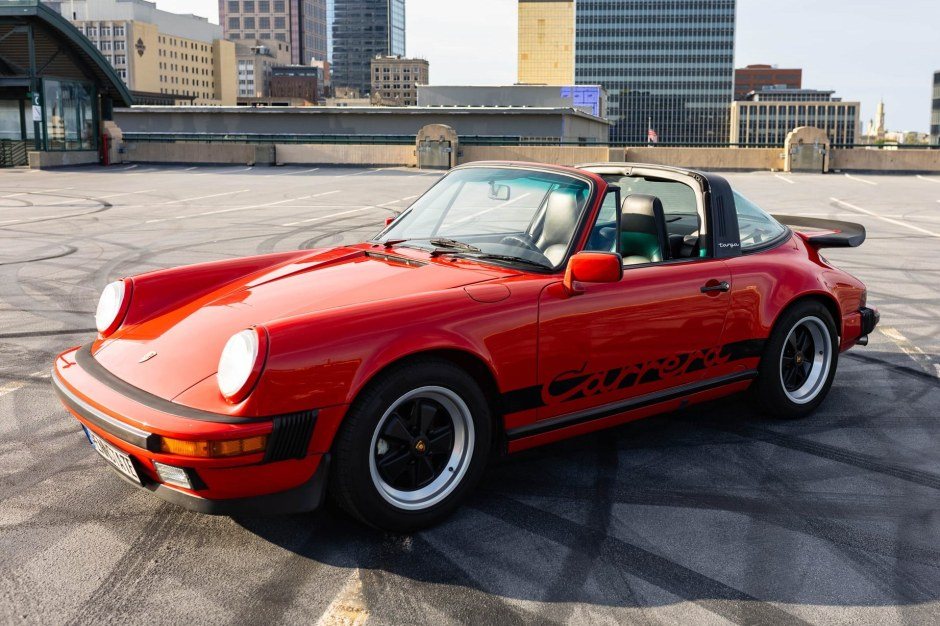
1988 Porsche 911 Carrera Targa G50 with Rebuilt Engine Heads to Auction
Economy 30
HMRC is writing to low earners about pension top-ups averaging about £70
News 124
Aftermarket Trackers Recover 99% of Stolen Cars as Factory Systems Fail
Politics 104
Met police open inquiry into alleged foreign donations to Reform UK
Sports 230
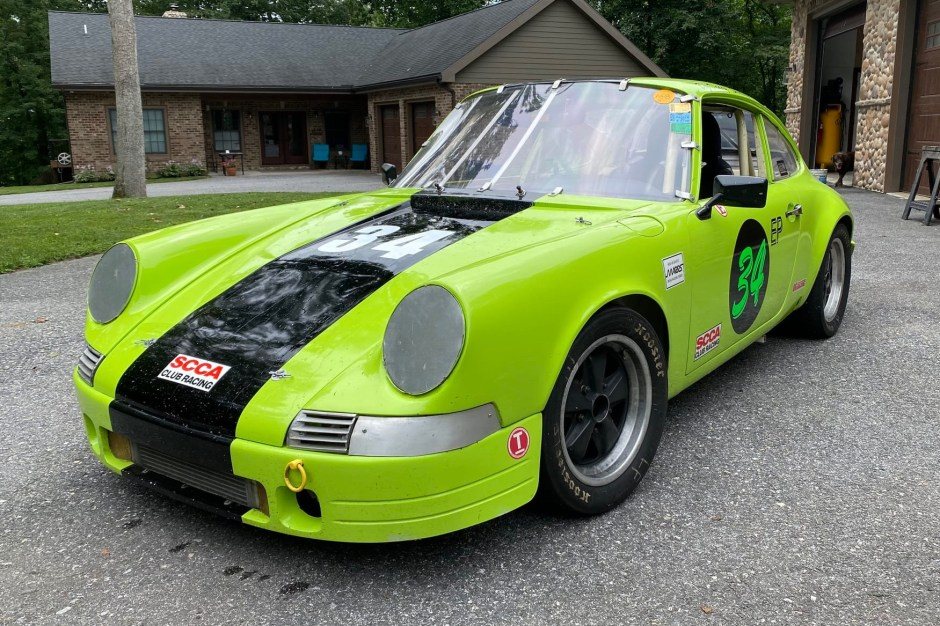
Backdated 1985 Porsche 911 Carrera Race Car Heads to Auction in Pennsylvania
Technology 115
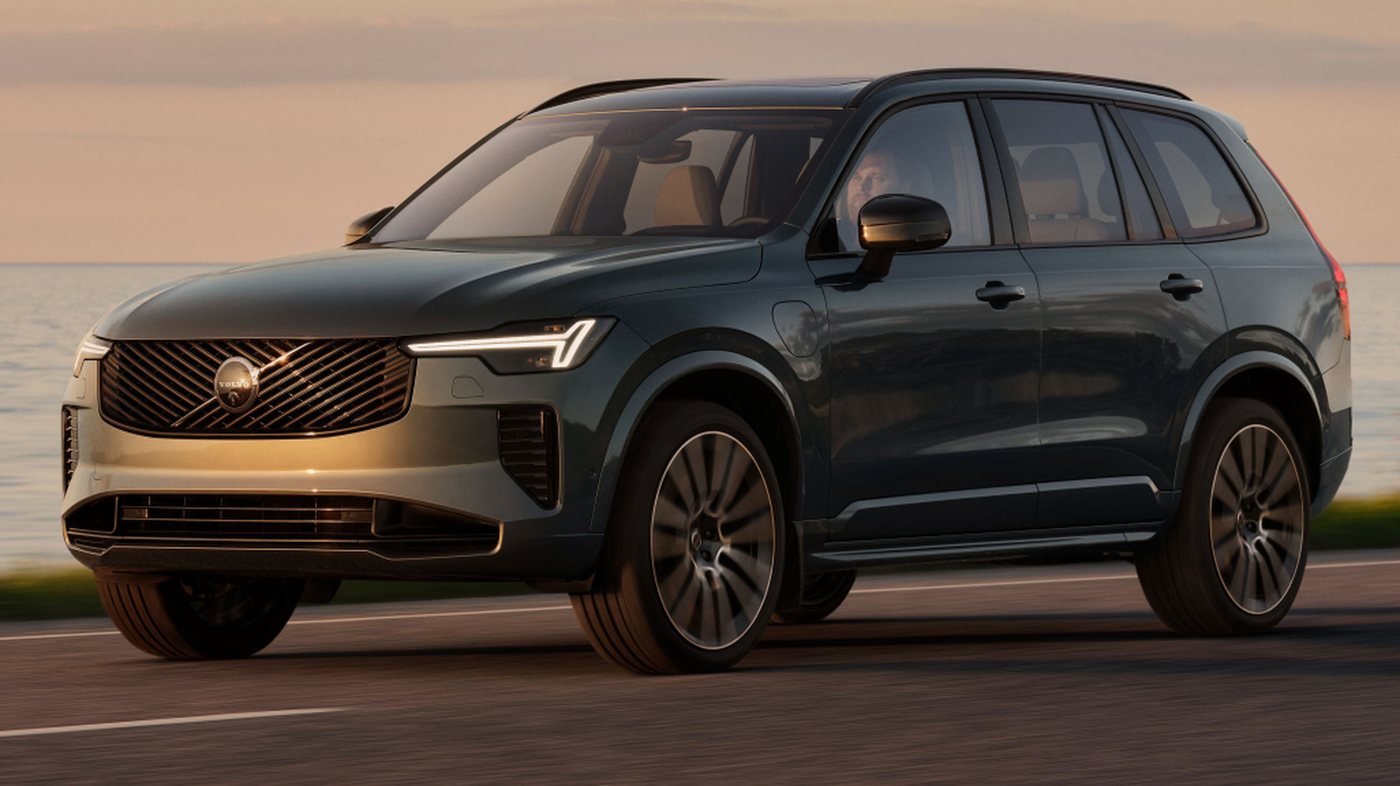
Volvo XC90 T8 PHEV Gets 73-Mile Electric Range for 2028
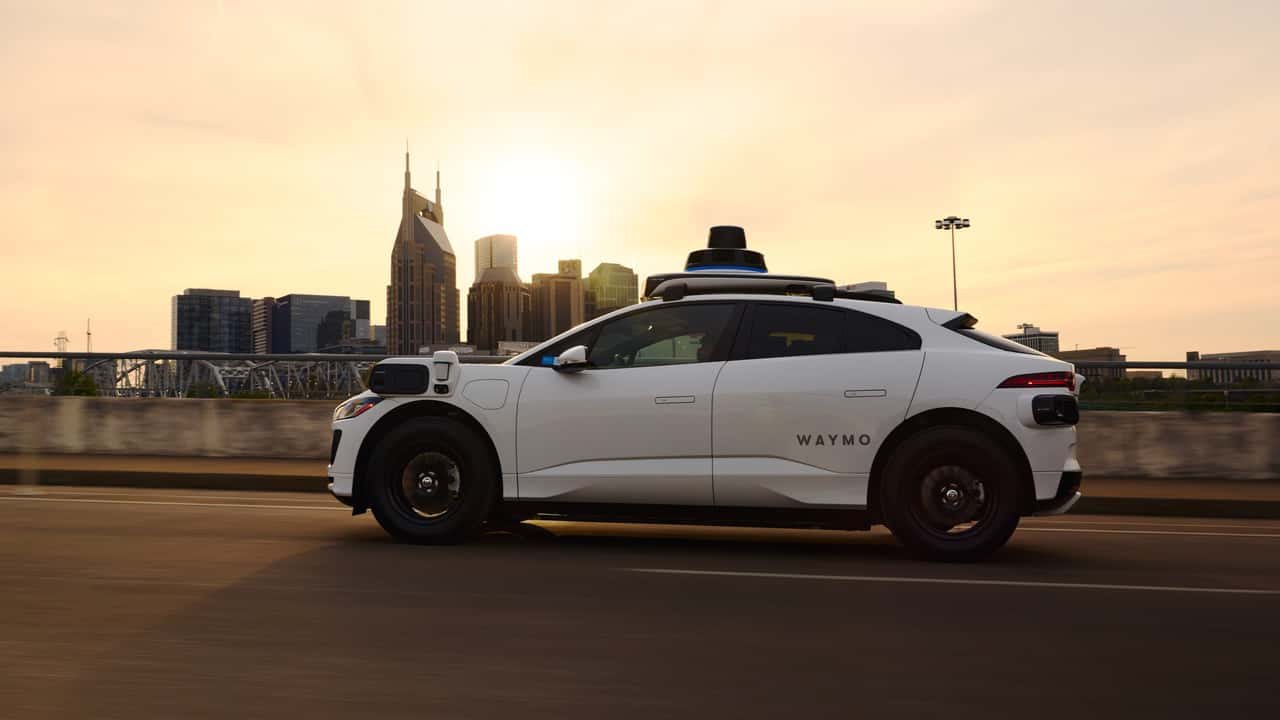
Waymo is bringing its driverless ride-hailing service to Las Vegas, where rival Zoox already operates, as the company continues its rapid US expansion.
By Edward Beaumont · 5 min read
Waymo is bringing its driverless ride-hailing service to Las Vegas, marking another step in the company's rapid expansion across the United States this year. The move places Waymo in a market where rival Zoox, owned by Amazon, already operates an autonomous ride-hailing service.
The expansion into Las Vegas adds to Waymo's growing footprint, which has been steadily widening through 2025. The company, owned by Alphabet, has been scaling its driverless operations beyond its original testing grounds, bringing commercial service to more cities and increasing the number of riders who can hail a fully autonomous vehicle.
Las Vegas presents a distinct operating environment for autonomous vehicles. The city's famous Strip, heavy tourist traffic, and large convention calendar create a dense and unpredictable mix of pedestrians, vehicles, and events. Waymo's decision to launch there signals confidence in its technology's ability to handle complex urban conditions.
Zoox, which is owned by Amazon, already runs a driverless ride-hailing service in Las Vegas. The presence of an established competitor means Waymo will not have the market to itself. Zoox has been operating its purpose-built autonomous vehicles in the city, offering rides to the public in a limited capacity.
The competition between Waymo and Zoox in Las Vegas reflects a broader race among technology and automotive companies to commercialise autonomous driving. While several firms have tested self-driving cars, only a handful have launched fully driverless commercial services. Waymo and Zoox are among the few that have reached that stage.
Waymo's expansion this year has been notable for its pace. The company has moved into multiple new markets, often announcing launches in quick succession. Each new city requires mapping, regulatory approval, and local testing before commercial service begins. The Las Vegas launch follows that pattern.
For riders, the arrival of Waymo means another option for getting around without a human driver. The service typically operates through a smartphone app, allowing users to request a vehicle and pay for the trip. Waymo's vehicles are equipped with sensors and software that allow them to navigate without human intervention.
The expansion also has implications for the local transportation market. Ride-hailing companies like Uber and Lyft have long dominated app-based transport, but autonomous services could eventually change the economics of the industry. Waymo has previously partnered with some ride-hailing platforms, though it also operates its own service.
Regulatory frameworks for autonomous vehicles vary by state. Nevada, where Las Vegas is located, has been relatively open to self-driving car testing and deployment. That regulatory environment has helped attract companies like Zoox and now Waymo to the state.
Safety remains a central concern for autonomous vehicle companies. Waymo has published safety reports and data on its operations, aiming to demonstrate that its vehicles are safe. Incidents involving self-driving cars, even minor ones, tend to attract significant public and regulatory scrutiny.
Waymo has not disclosed a specific launch date for Las Vegas or the exact scope of the initial service. The company has typically started with limited areas and gradually expanded. Riders in Las Vegas may initially see Waymo vehicles in specific zones before a wider rollout.
The move into Las Vegas is part of Waymo's broader strategy to establish itself as a leading provider of autonomous ride-hailing. As the company adds cities, it builds operational experience and brand recognition. The presence of Zoox in the same market adds a competitive dimension that could accelerate innovation and adoption.
For now, Waymo's arrival in Las Vegas underscores how autonomous ride-hailing is moving from experimental trials to commercial reality in more American cities. The company's expansion through 2025 has made it one of the most visible players in the sector, and Las Vegas is the latest stop on that journey.