
Business 113
Nissan Ties Sunderland Kicks Production to Softer EV Mandate
In this issue
Business 113
Nissan Ties Sunderland Kicks Production to Softer EV Mandate
Culture 96
1988 Porsche 911 Turbo Slant Nose Heads to Auction After $90k Refresh
Economy 30
HMRC is writing to low earners about pension top-ups averaging about £70
News 124
Aftermarket Trackers Recover 99% of Stolen Cars as Factory Systems Fail
Politics 105
Reform UK's Welsh Leader Dan Thomas Resigns After Arrest on Suspicion of Assault
Sports 232
Middlesbrough v Millwall Postponed in Championship
Technology 124
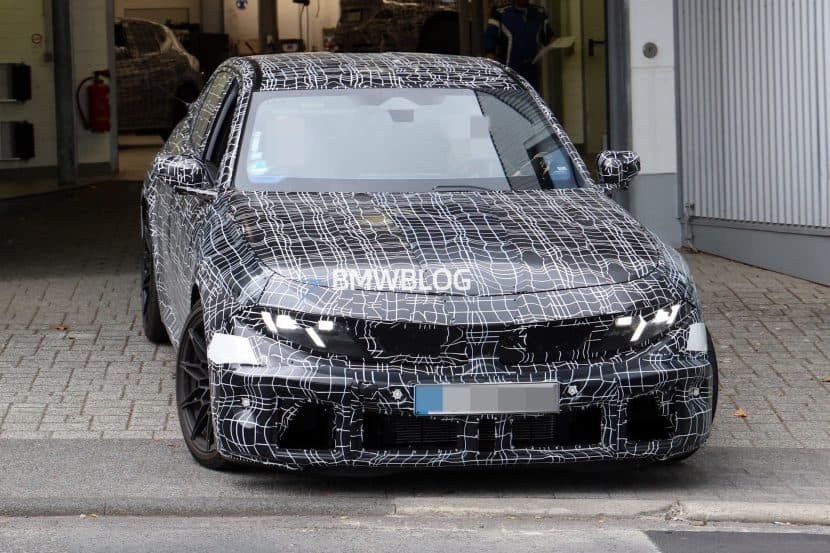
BMW M3 G84 Spy Photos Reveal Neue Klasse Design and Longer Hood
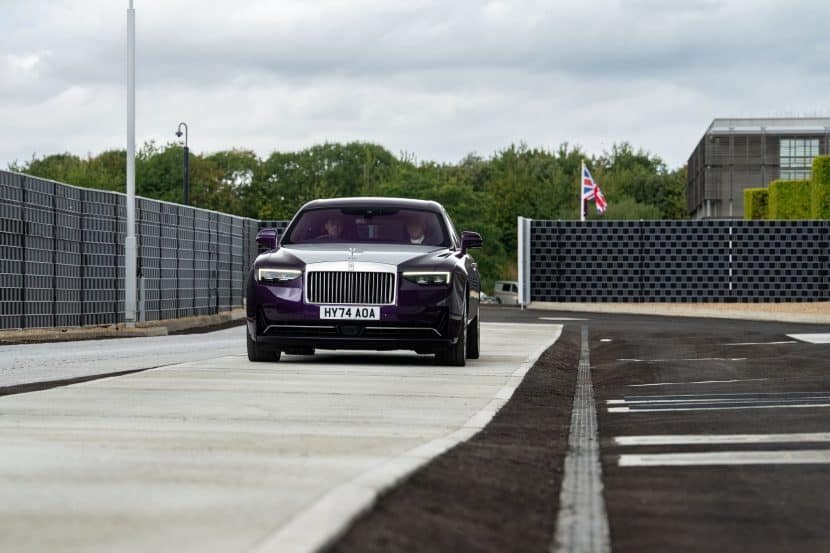
Rolls-Royce has inaugurated the Eric Platford Testway at Goodwood, featuring an aero-acoustic chamber that simulates speeds above the UK's 70mph national limit without breaking the law, allowing engineers to refine wind noise and vibration before cars reach customers.
By Charlotte Redford · 4 min read
Rolls-Royce has opened a new testing facility at its Goodwood headquarters that allows engineers to simulate driving at speeds above the UK's 70mph national speed limit without ever breaking the law. The Eric Platford Testway, named after the company's first chief tester, includes an aero-acoustic chamber equipped with high-pressure, variable-speed air jets mounted on a movable gantry. These jets can reproduce the wind noise and aerodynamic conditions a car would encounter at speeds beyond what is legally permitted on British roads.
The facility addresses a specific challenge for a brand built around refinement. At highway speeds and above, wind noise, vibrations, suspension behaviour and even the smallest interior rattles become far more noticeable. By simulating those conditions in a controlled chamber, Rolls-Royce can identify and eliminate such issues before a car reaches a customer. The system is particularly relevant for markets with unrestricted sections of road, such as Germany's Autobahn, where owners may routinely drive at very high speeds.
The new Testway does not replace real-world testing. Engineers continue to validate vehicles on an eight-mile route on local roads around Goodwood. After the aero-acoustic chamber, cars are driven across four parallel 90-metre lanes featuring eight different surface profiles. These surfaces mimic small and large cobblestones, railway tracks, concrete waves, twist humps and alternating iron covers, along with a smooth tarmac section in true Rolls-Royce fashion. Each car is driven twice on every surface, both at fixed speeds and while sweeping through different speeds. Turning areas at either end simulate roundabout-style changes of direction, with engineers paying close attention to whether loose objects inside the cabin remain undisturbed.
The facility is named after Eric Platford, Rolls-Royce's first Chief Tester and a key figure in its early history. More than a century after Platford tested the company's earliest models, the Testway is designed to help today's engineers put the finishing touches on hand-built cars. Rolls-Royce's current lineup includes the Ghost and Phantom saloons, the Cullinan SUV and the Spectre electric coupe. Spy photographs suggest an electric SUV is being prepared as the fifth model, reportedly arriving in 2027 to sit alongside the V12-powered Cullinan rather than replace it.
The investment reflects the broader pressures facing premium manufacturers as they balance traditional engineering values with the transition to electrification. For Rolls-Royce, the ability to replicate extreme high-speed conditions without leaving Goodwood offers both practical and reputational benefits. It allows the company to refine its cars for global markets while avoiding the legal and logistical complications of testing on public roads at illegal speeds. The Testway also underscores the brand's continued emphasis on hand-built quality and the kind of detailed validation that customers expect from a vehicle carrying its price tag.