Business 205
BMW Group Reports Nine-Month Sales as European Demand Holds
In this issue
Business 205
BMW Group Reports Nine-Month Sales as European Demand Holds
Culture 243
ITV's The Party: Elizabeth Day on adapting her best-selling thriller for televisi…
Economy 39
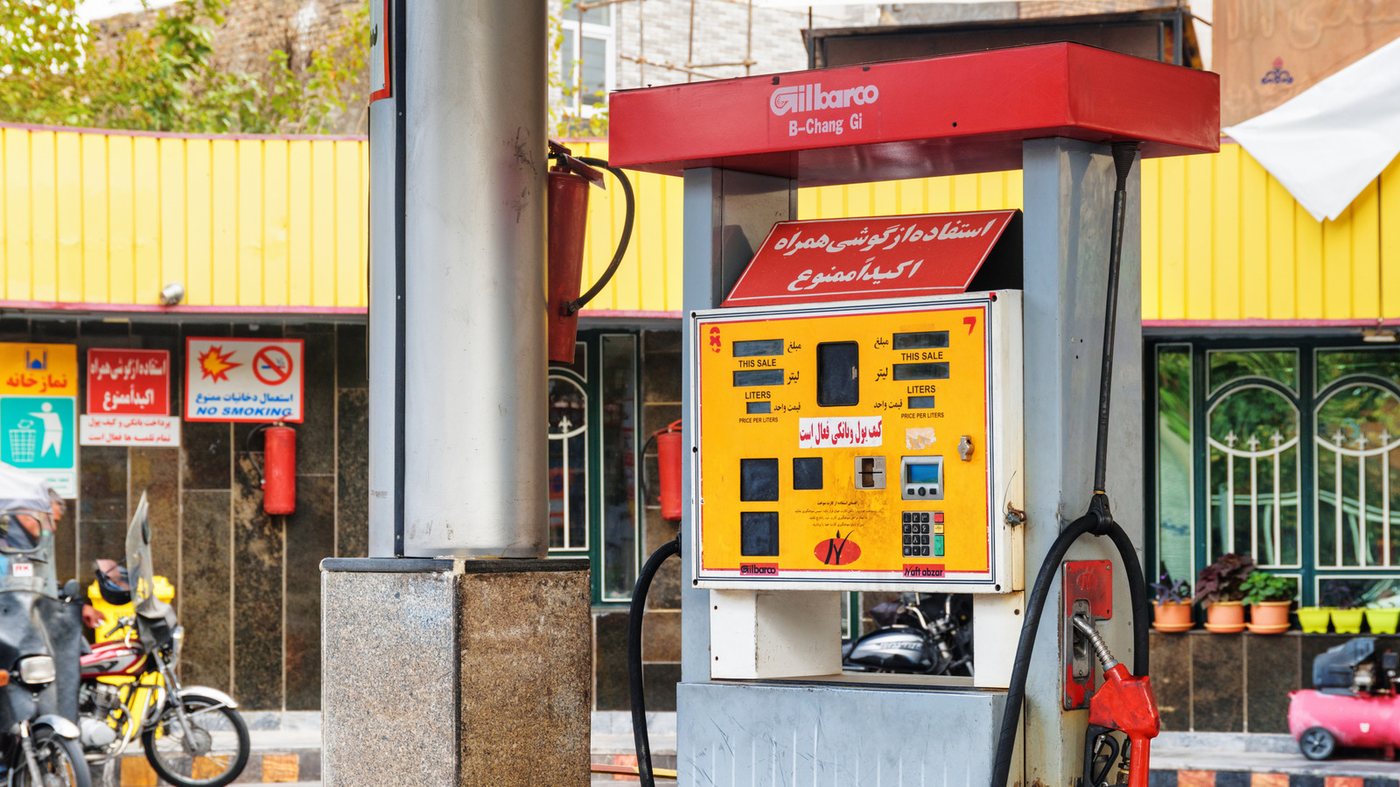
Countries Where Petrol Sells for Under $2 a Gallon
News 150
Earhart Search Team Reaches Crab-Infested Pacific Island
Politics 112
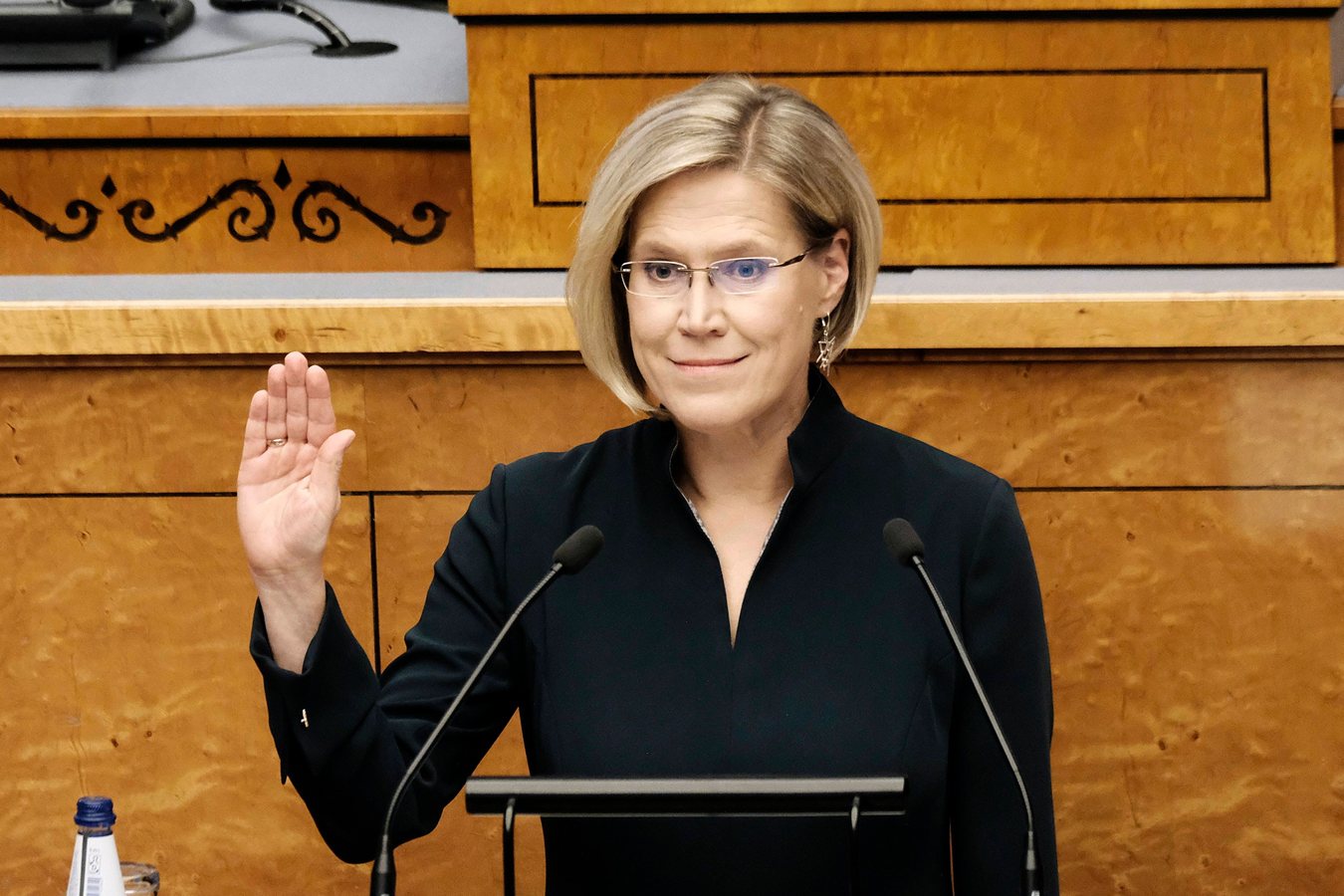
Ulle Madise becomes Estonia's new president
Sports 269
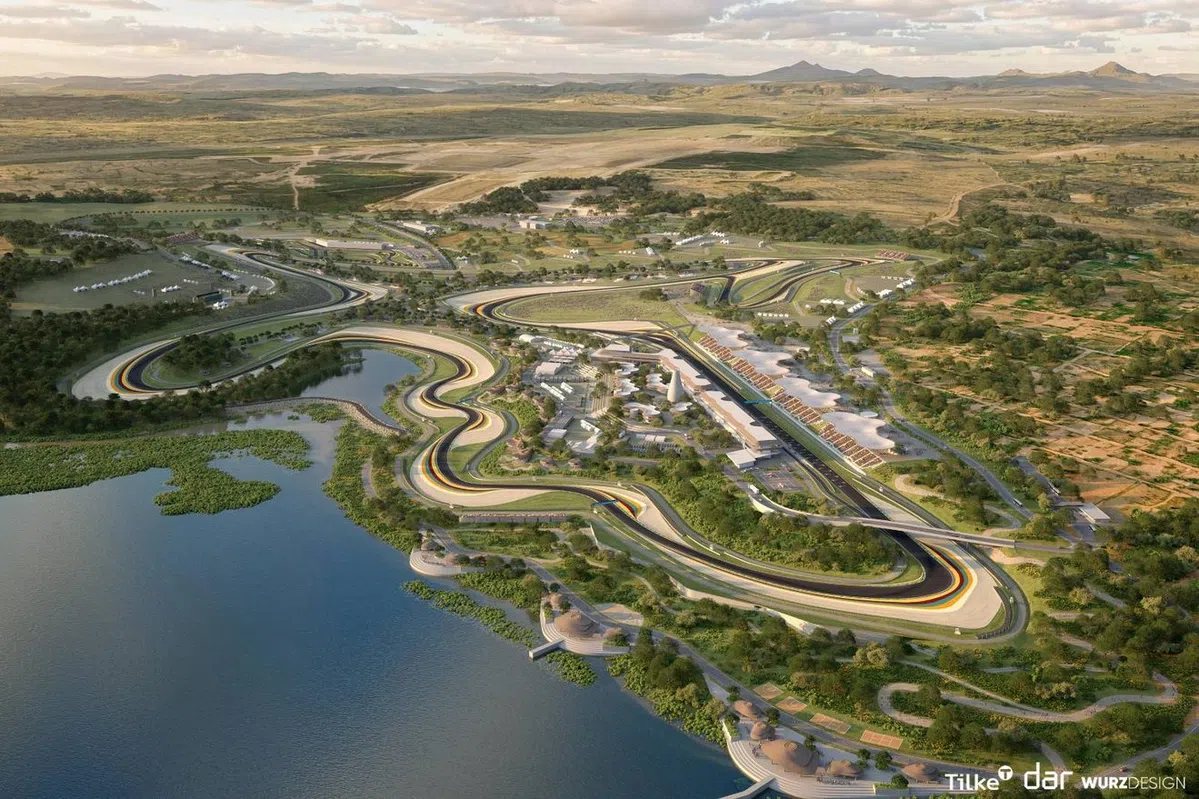
Formula 1 Confirms Rwanda Race Deal but No Circuit Exists
Technology 281
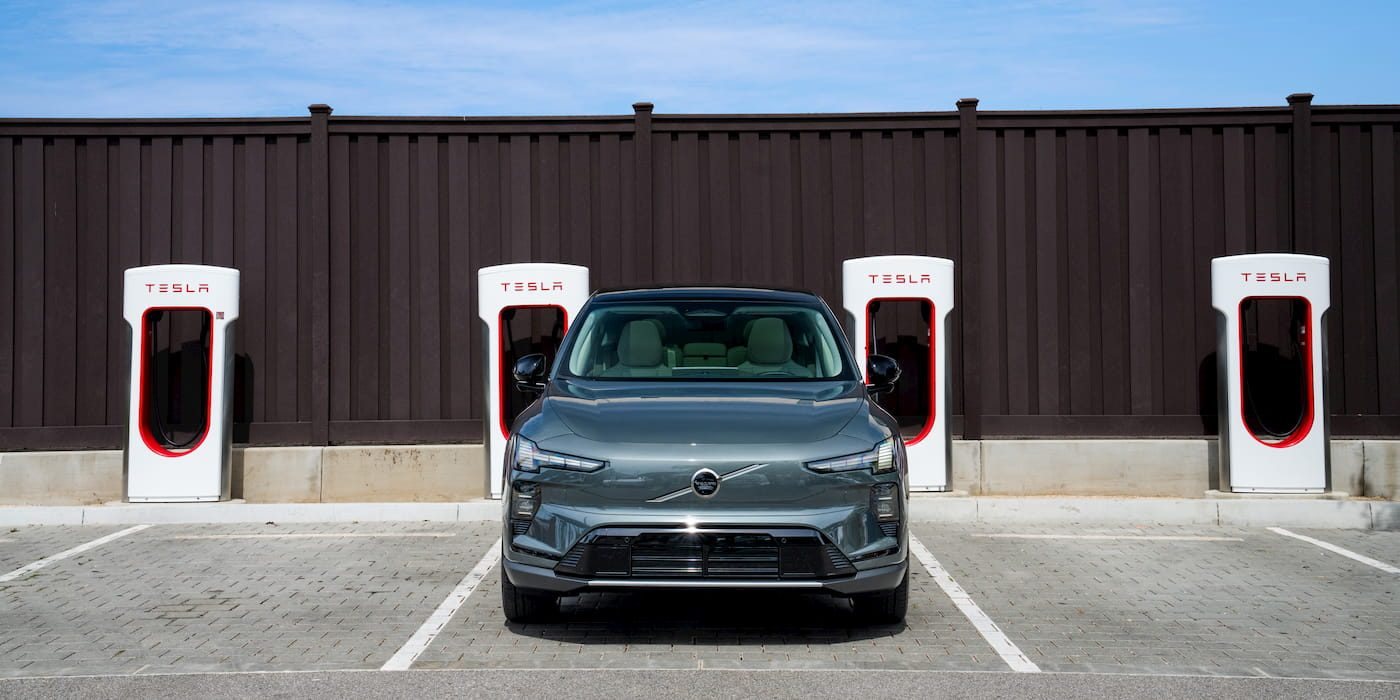
US Fast-Charging Network Passes 80,000 Ports as Tesla Raises Supercharger Prices
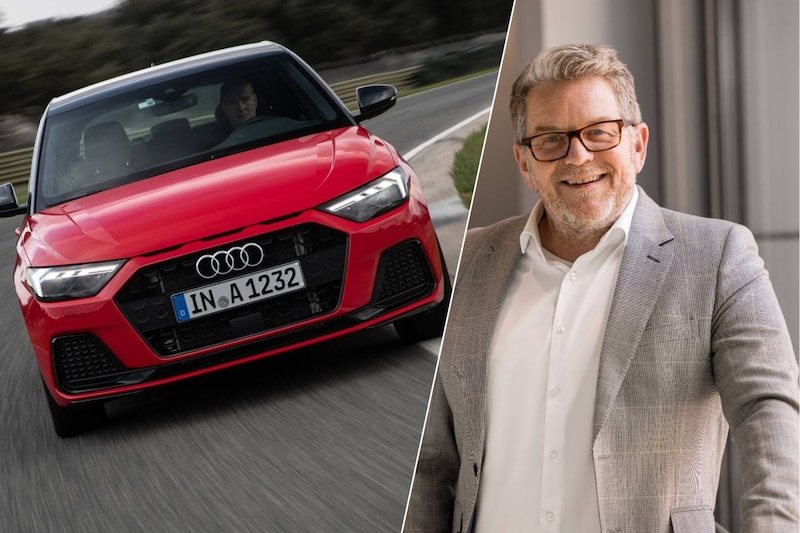
Volkswagen Group's design director criticises the trend of aggressive-looking cars, arguing that design should unite rather than divide society, and explains the brand's return to classic values with the new ID Polo.
By George Kensington · 5 min read
The design director of the Volkswagen Group has dismissed the trend of aggressive-looking cars as nonsense, arguing that automotive design should bring people together rather than divide society. In an interview about the new ID Polo, the brand’s first affordable electric family car, the executive said Volkswagen had deliberately chosen a more classic look to win over customers who remain sceptical about electric vehicles.
He traced the shift back to 2015, when the company was engulfed in the diesel emissions scandal. “It was war,” he said, adding that Volkswagen was forced to act quickly and accelerate its move towards electric mobility. While he believes the crisis ultimately pushed the company in the right direction, he admitted that the rush to reinvent itself led to mistakes. “We stumbled here and there in our haste to do everything differently,” he said.
One of those mistakes, he explained, was removing physical buttons from interiors in favour of touchscreens and electronic sliders. Customer research showed that drivers were unhappy with the change, so the latest models, including the refreshed ID3 Neo and the new ID Polo, bring back physical controls. “Some things are so simple if you just talk to your customers,” he said. “It’s not rocket science.”
The first fully electric Volkswagens, the ID3 and its derivatives, were designed to drag the brand into a new era. The designers chose large wheels, short overhangs and a long wheelbase, which created spacious interiors and attractive silhouettes. But the design director believes they went too far in their quest for innovation. “It all became too futuristic,” he said. “They sometimes lost sight of the people the car was meant for.”
He noted that many drivers, particularly in Germany, are still not ready for the electric age. “They think: ‘No, I’ll keep driving my old diesel forever. Electric is really bad.’ You have to win those people over,” he said. “And you don’t do that with a car that suddenly looks completely different.” He criticised designs that make a statement about the owner’s environmental virtue, saying they divide society. “You shouldn’t take sides with a car design,” he said. “It’s wrong to say: ‘Look at me, I’m doing well, I drive electric. My car looks like an electric car, so I’m better than you.’”
Instead, he argued, manufacturers should appeal to practical concerns, such as high petrol prices, and offer affordable, easy-to-use electric cars. The ID3, he admitted, was well designed but did not look like a real Volkswagen. “You don’t see the DNA of Volkswagen in it,” he said. “It could just as well have come from another brand.”
The new ID Polo, by contrast, deliberately echoes classic Volkswagen styling. The design director explained that while electric powertrains free up space and allow shorter bonnets, the fundamental layout of a car remains the same. “You still need a front axle and pedals, and a good seating position for the driver,” he said. “So not much changes in the end. The driver’s feet are still in the same place.”
He also pointed out that a deeper dashboard, made possible by the absence of a combustion engine, can become a problem on hot days. “A car is like an oven in summer,” he said. “You have to cool the interior, which costs energy that you would rather use for driving.”
The result is a car that looks modern but has classic touches, a kind of retro-futurism. The design director said the ID Polo’s friendly appearance restores faith in the future, unlike the bleak vision of films such as Blade Runner. “That film was set in the future and painted a gloomy picture of it,” he said. “It rains all the time, the world is decaying. People are not happy.” Volkswagen, he suggested, wants to offer the opposite: a car that reassures rather than challenges.
65